A Closer Look at Reverse Osmosis and the Science Behind Cleaner Water
Water is one of those things we use every day without giving it much thought. We fill a glass from the kitchen tap, make coffee before work, cook dinner, and assume the water is fine. Most of the time, that confidence is understandable. Still, water can contain dissolved minerals, salts, and other unwanted substances that aren’t always visible or noticeable by taste. That’s where modern water treatment comes in, offering practical ways to improve water for drinking and everyday household use.
For homeowners who want a more reliable source of drinking water, understanding how filtration works is a useful first step. Different systems address different concerns, and choosing the right one depends on what’s actually present in the water rather than what a product label promises.
Why Water Treatment Deserves More Attention
Clear water isn’t necessarily pure water. Some dissolved substances don’t affect appearance, while others may influence taste, odor, or the way water behaves around the home. Hard water, for example, can leave chalky deposits on faucets and shower screens. Certain dissolved compounds may create an unpleasant taste, making people reluctant to drink water straight from the tap.
The right treatment approach starts with testing. A basic water test can reveal hardness and other common characteristics, while more detailed laboratory testing may be needed when there are concerns about specific contaminants. Private well owners, in particular, should follow appropriate testing recommendations because groundwater quality can change over time.
Once the results are available, it becomes easier to choose equipment that addresses a real problem. That usually saves money in the long run, too. There’s little value in installing a complicated system if a simpler option would do the job.
How Reverse Osmosis Works
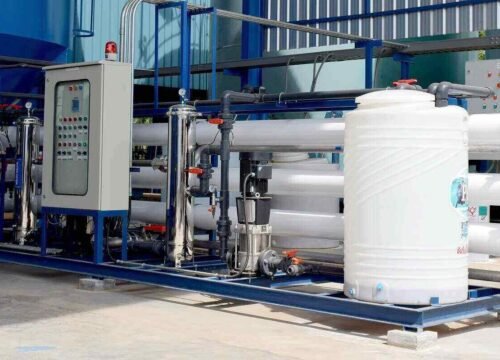
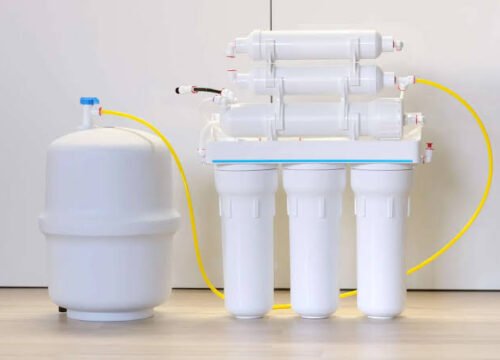
One widely used drinking water treatment method relies on a special membrane that separates water from many dissolved substances. Reverse osmosis systems use pressure to push water through this semipermeable membrane, allowing water molecules to pass while rejecting a substantial portion of dissolved salts and other impurities.
The treated water is collected for use, while a separate stream carries away concentrated rejected substances. The precise performance depends on water pressure, temperature, membrane condition, and the characteristics of the incoming supply. No single system removes every possible contaminant, so the equipment should be selected according to the substances identified through testing.
These systems are often installed beneath a kitchen sink, with a dedicated faucet for drinking and cooking water. Some models include a storage tank, while others deliver filtered water on demand. The best option depends on available space, household water use, and how much maintenance the owner is comfortable handling.
It’s also worth remembering that reverse osmosis typically produces wastewater during operation. Newer designs may use water more efficiently than older models, but efficiency still varies. Before buying, check the manufacturer’s documented recovery rate rather than relying on a broad claim that a system is environmentally friendly.
Understanding Ion Exchange in Water Treatment
Not every water problem requires the same technology. Ion exchange is another treatment process that can be especially useful when dissolved ions need to be removed or replaced.
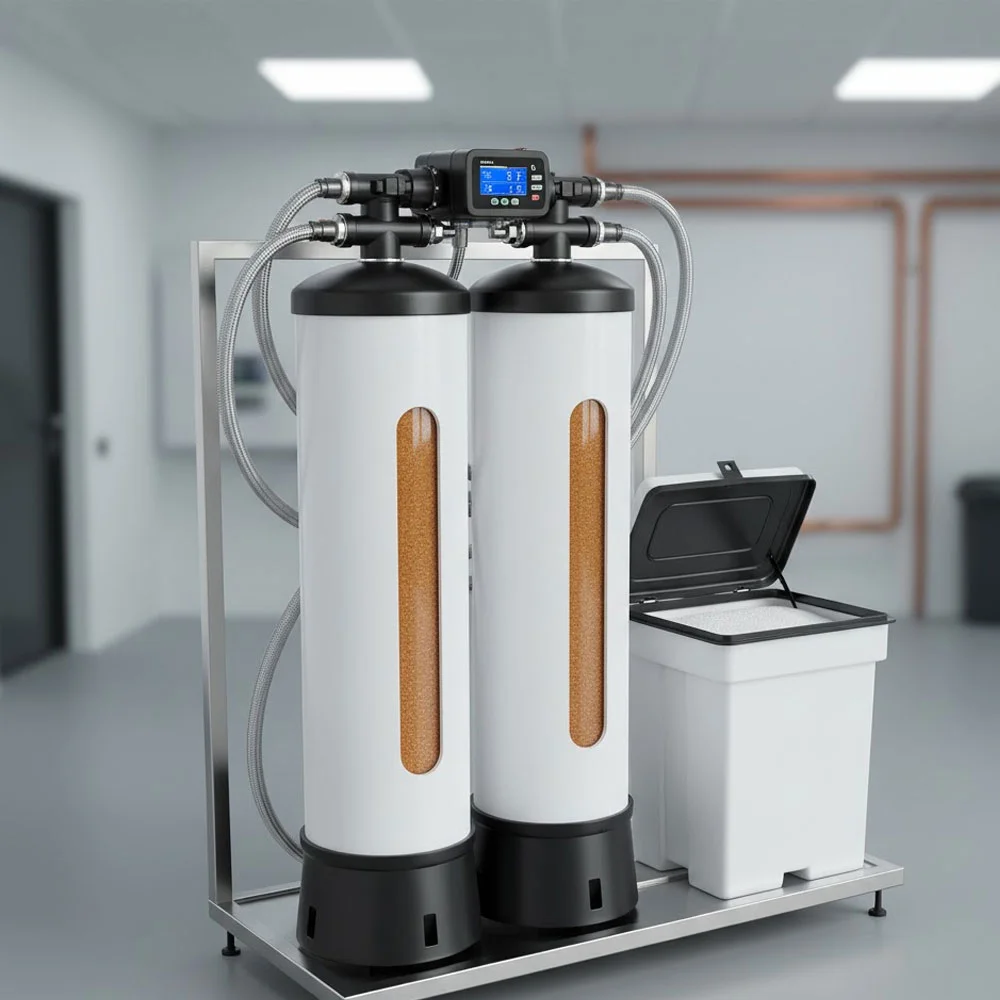
In a conventional water softener, the process targets calcium and magnesium, the minerals primarily responsible for hardness. Water passes through a bed of special resin beads. These beads hold sodium or, in some systems, potassium ions and exchange them for hardness minerals in the incoming water. As a result, the water becomes softer and is less likely to create scale inside pipes, water heaters, and appliances.
That can make a noticeable difference in daily life. Soap may lather more easily, laundry can feel less stiff, and mineral deposits may become less troublesome. Still, softening is not the same as complete drinking water purification. A standard softener isn’t designed to remove every contaminant, and it doesn’t automatically make unsafe water safe to drink.
People who need both softer household water and improved drinking water may benefit from combining treatment methods. A softener can address hardness throughout the home, while a separate drinking water filter can target other concerns at the kitchen tap.
The Role of the Resin Tank
Inside many water softeners, the resin tank holds the small beads that make ion exchange possible. Water flows through this bed, allowing the beads to capture hardness minerals before the treated water moves into household plumbing.
Over time, the resin becomes loaded with calcium and magnesium. The softener then enters a regeneration cycle, using a concentrated salt solution to restore the resin’s ability to exchange ions. During this cycle, the collected hardness minerals are flushed away. The system returns to service once regeneration is complete.
The timing and frequency of regeneration depend on water hardness, household consumption, system capacity, and the control settings. A properly sized softener shouldn’t needlessly regenerate too often, since excessive cycles can waste salt and water.
Routine maintenance matters. Keep the salt supply at the recommended level, use the type of salt specified by the manufacturer, and check the brine tank occasionally for buildup or bridging, which occurs when salt forms a crust that prevents proper dissolving. If the water begins to feel hard again, the cause could be a depleted salt supply, a control issue, or resin that needs professional attention.
Choosing Equipment That Fits Your Home
Shopping for water treatment equipment can feel confusing because products often make similar promises. Instead of focusing only on price or the number of filtration stages, consider what the system is certified to reduce, how much treated water it can provide, and what replacement filters will cost.
Look for independent certifications relevant to the specific treatment claims. NSF/ANSI standards, for example, cover different aspects of drinking water treatment equipment, but certification to one standard doesn’t mean a product addresses every possible contaminant. Read the performance data and confirm that the certification applies to the exact model you’re considering.
Installation is another practical consideration. Under-sink systems need enough room for their components and convenient access for filter changes. Whole-house softeners require appropriate plumbing connections, a drain for regeneration, and space for the equipment. A qualified installer can help check water pressure, drainage, and local plumbing requirements before work begins.
Don’t overlook ongoing costs. Replacement cartridges, membrane changes, salt, water use, and periodic servicing all contribute to the total expense. A slightly more expensive system may be the better investment if its parts are readily available and its maintenance requirements suit your household.
Keep Water Quality on Your Maintenance List
Even a well-designed system needs occasional attention. Follow the manufacturer’s replacement schedule, inspect connections for leaks, and arrange periodic testing when appropriate. If your water source changes or you notice a sudden shift in taste, smell, or appearance, investigate rather than assuming the treatment equipment will handle it.
The goal isn’t to buy the most complicated setup available. It’s to understand your water, select treatment that addresses the actual concerns, and maintain the equipment properly. With that approach, water treatment becomes a practical part of looking after your home, not another expensive appliance that gets forgotten in a cupboard.
Good water decisions begin with reliable information. Test first, compare options carefully, and choose a system that fits your household’s needs. The result is a more informed approach to drinking water and a home water setup you can feel confident maintaining over time.