A Practical Guide to Better Water Quality: Softeners, Filtration, and Whole-House Treatment
Water is something most of us use without giving it much thought. We turn on the tap to make coffee, wash vegetables, take a shower, or fill a glass, expecting it to be clean and safe. But water quality can vary considerably from one home to another. Hard water, unpleasant odors, sediment, and dissolved minerals can affect everyday comfort, household appliances, and even the taste of drinking water.
The good news is that improving your home’s water quality doesn’t always require a complicated setup. With the right treatment equipment, you can address specific water problems and make daily life a little easier. Understanding how water softeners, filtration units, and whole-house treatment systems work is the first step toward choosing a solution that makes sense for your household.
Understanding What’s in Your Water
Before investing in water treatment equipment, it helps to know what you’re trying to remove or control. Water may look perfectly clear while containing dissolved minerals, chlorine, or other substances that influence its quality. In some areas, groundwater naturally contains elevated levels of calcium and magnesium. These minerals are responsible for hard water, which often leaves white deposits on faucets, showerheads, and glassware.
Other homes experience sediment from plumbing systems, earthy smells, or a noticeable chlorine taste. Private wells can present different concerns, including iron, manganese, and potentially harmful microorganisms. Municipal water is generally treated before distribution, but its characteristics can still change as it travels through pipes and enters a home.
A water test provides a much clearer picture than appearance alone. Depending on your water source, testing may include hardness, pH, iron, total dissolved solids, and specific contaminants of concern. The results help you avoid buying equipment that solves the wrong problem.
Why Water Softeners Can Make a Difference
Hard water is more than a cosmetic nuisance. When calcium and magnesium interact with soap, they can reduce lathering and leave behind a stubborn residue. Over time, mineral scale may accumulate inside water heaters, pipes, washing machines, and other equipment that regularly uses water.
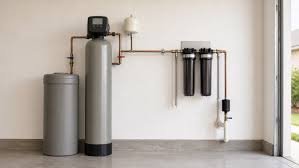
A conventional water softener typically uses an ion-exchange process. Water passes through a resin bed that captures calcium and magnesium ions and exchanges them for sodium or, in some systems, potassium. The resin is periodically regenerated so it can continue working effectively.
For households dealing with persistent scale, softeners & filtration system solutions can be worth considering, particularly when the equipment is selected according to actual water conditions. Softened water may make bathing more comfortable, help soap rinse away more easily, and reduce mineral deposits on bathroom surfaces.
However, softening and filtration aren’t interchangeable. A softener primarily addresses hardness minerals; it doesn’t automatically remove every contaminant or make water microbiologically safe. Some systems also add sodium to the treated water, which may matter to people following a medically recommended sodium restriction. A separate drinking-water treatment option may be appropriate in those circumstances.
How Filtration Improves Everyday Water Quality
Filtration focuses on different water-quality concerns. Depending on the filter material and design, a system may reduce sediment, chlorine taste and odor, certain organic compounds, or particular metals. The important detail is that no single filter removes everything.
Sediment filters are often installed near the point where water enters a house. They catch particles such as sand, rust, and suspended debris before these materials reach plumbing fixtures or other treatment equipment. Activated carbon filters work differently, using a porous material to adsorb selected chemicals that can affect taste and smell.
For drinking water, reverse osmosis is another option worth understanding. A reverse osmosis system pushes water through a semipermeable membrane that reduces many dissolved substances. Depending on the unit’s certification and design, it can help reduce certain salts, metals, and other contaminants.
These systems are commonly installed beneath a kitchen sink, although larger configurations are available. Reverse osmosis often produces a concentrated wastewater stream, so efficiency, maintenance requirements, and water pressure deserve attention before purchasing a unit.
It’s also important to check product specifications carefully. Look for independent certification appropriate to the contaminant you want to reduce, rather than relying on broad marketing statements such as “purifies everything.” Filter cartridges and membranes need replacement according to the manufacturer’s instructions, because neglected equipment may perform poorly.
The Role of Whole-House Backwashing Filters
Some water problems affect every tap, shower, and appliance rather than just the kitchen drinking-water supply. In these cases, a point-of-entry treatment system may be a practical choice. It treats water as it enters the home, helping address suitable problems throughout the plumbing network.
Whole house backwashing filters are designed to clean or refresh their filtration media through a reverse flow of water during a regeneration or backwash cycle. This process loosens trapped particles and carries accumulated material to a drain, helping maintain the filter bed’s performance.
Depending on the media used, these systems can target concerns such as sediment, iron, manganese, or certain other substances. Some specialized media are designed for particular applications, so the correct selection depends on the water test results and the equipment manufacturer’s specifications.
Backwashing filters require enough water pressure and flow to clean the media properly. They also need a suitable drain connection and enough room for installation. During a backwash cycle, the system uses water, which makes efficiency and cycle settings important considerations, especially in areas where water conservation matters.
Another point worth remembering is that backwashing doesn’t eliminate all maintenance. Media may eventually need replacement, valves require occasional inspection, and the system should be checked to ensure that its cycles operate correctly.
Choosing the Right Combination for Your Home
There isn’t one water treatment setup that works equally well for every household. A family dealing mainly with hard water may benefit from a softener, while a home with unpleasant chlorine taste may need an appropriately rated carbon filter. Water containing elevated iron could require specialized filtration, and drinking water with particular dissolved contaminants might call for reverse osmosis or another targeted technology.
In some homes, combining several treatments produces better results. For example, a sediment filter may protect downstream equipment, a softener may control hardness, and a dedicated drinking-water filter may address concerns at the kitchen tap. The sequence matters because certain contaminants can interfere with other treatment media.
Before buying equipment, consider your daily water consumption, the number of bathrooms, available installation space, maintenance costs, and local water conditions. A system that’s undersized may struggle during busy periods, while an unnecessarily large system can increase upfront and operating expenses.
Ask installers to explain the recommended treatment stages, expected maintenance schedule, water use, and replacement costs. If your water comes from a private well, periodic testing is particularly important because water quality can change over time.
Maintenance Is Just as Important as Installation
Even high-quality equipment needs attention. Replace cartridges when recommended, replenish softener salt when required, and inspect fittings for leaks. Keep a record of maintenance dates so small tasks don’t get forgotten during a busy month.
If your water suddenly develops an unusual smell, changes color, or tastes different, don’t assume the filter simply needs replacing. The change may indicate a source-water issue, plumbing problem, or equipment malfunction that deserves investigation. Depending on the symptoms, testing or professional advice may be necessary.
Remember, treated water isn’t automatically sterile, and ordinary filtration shouldn’t be considered a substitute for disinfection when microbial contamination is a concern.
Better Water Starts With an Informed Decision
Improving household water quality is ultimately about solving the problems that matter most to you. Cleaner-tasting drinking water, fewer mineral deposits, better-performing appliances, and easier cleaning are all worthwhile goals, but the right solution depends on what your water actually contains.
Start with testing, compare treatment technologies, and choose equipment designed for your specific needs. With suitable installation and regular maintenance, a thoughtfully selected water treatment system can make everyday routines more comfortable while helping protect your home’s plumbing and water-using appliances for years to come.