Roof Leakage Solutions: Causes and How to Fix Them
A leaking roof is one of the most frustrating home problems, which is why finding reliable roof leakage solutions becomes a top priority for homeowners, especially before monsoon season arrives. Left unaddressed, even small leaks can lead to significant structural damage over time.
Understanding the root causes behind roof leaks is the first step toward finding effective roof leakage solutions that actually last, rather than temporary fixes that fail with the next heavy rain.
This guide covers the most common causes of roof leaks along with practical roof leakage solutions suited for Indian homes and climate conditions.
Why Addressing Roof Leaks Early Matters
Before exploring specific roof leakage solutions, it’s worth understanding why prompt action is so important:
- Water damage can weaken structural elements over time
- Leaks often lead to mold growth, affecting indoor air quality
- Delayed repairs typically cost more than addressing issues early
- Electrical systems near affected areas can become safety hazards
Acting quickly when you notice signs of leakage prevents these issues from escalating into much larger problems.
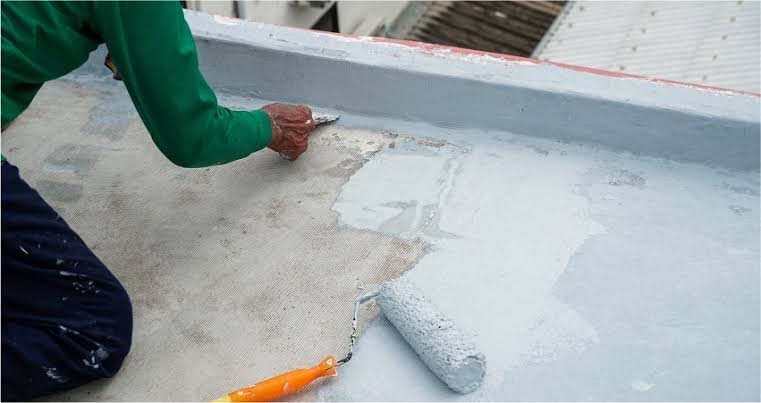
1. Cracked or Damaged Waterproofing
One of the most common causes requiring roof leakage solutions is deteriorated waterproofing membrane on flat roofs and terraces.
Signs to watch for:
- Visible cracks in the terrace surface
- Water stains on ceilings directly below the roof
- Peeling or bubbling waterproof coating
Solution: Reapplying waterproof coating or membrane, after thoroughly cleaning and repairing the surface, is one of the most effective roof leakage solutions for this issue.
(Internal link opportunity: link to your “Terrace Waterproofing Methods” article here)
2. Clogged Drains and Gutters
Blocked drainage systems are a frequent cause behind roof leaks, particularly during heavy monsoon rains.
- Debris, leaves, and dust accumulate over time, blocking water flow
- Water pools on the roof surface instead of draining properly
- Pooled water eventually seeps through weak points in the roof
Solution: Regular cleaning of gutters and drains before monsoon season is among the simplest yet most effective roof leakage solutions available.
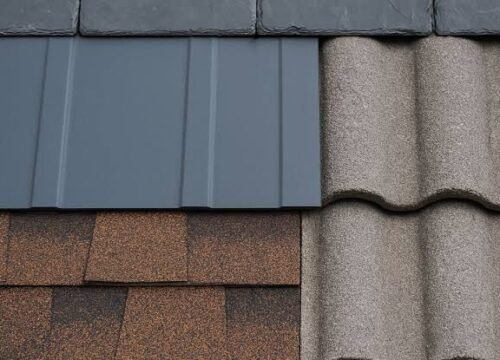
3. Damaged or Missing Roof Tiles
For sloped roofs with tiles, damaged or missing tiles are a common trigger for leaks.
- Cracked tiles allow water to seep through to underlying layers
- Missing tiles create direct entry points for rainwater
- Improperly aligned tiles can channel water in unintended directions
Solution: Regular roof inspections to identify and replace damaged tiles promptly is one of the most straightforward roof leakage solutions for tiled roofs.
(Internal link opportunity: link to your “Roofing Materials Comparison” article here)
4. Cracks in Walls Near the Roofline
Sometimes leaks originate not directly from the roof but from cracks in walls near the roofline, an often-overlooked cause requiring roof leakage solutions.
- Water enters through hairline cracks during heavy rain
- Seepage travels along walls, sometimes appearing far from the actual entry point
- These cracks often worsen with temperature fluctuations and structural settling
Solution: Sealing wall cracks with waterproof filler and applying exterior waterproof paint are effective roof leakage solutions for this specific issue.
5. Poor Roof Slope or Drainage Design
Structural design issues can be a persistent source of leaks, requiring more involved roof leakage solutions.
- Flat roofs without proper slope allow water to pool instead of draining
- Poorly positioned drainage outlets fail to handle heavy rainfall effectively
- Additions or renovations sometimes disrupt original drainage planning
Solution: Consulting a structural engineer or contractor to improve slope and drainage design is necessary for long-term roof leakage solutions in these cases.
6. Deteriorated Flashing Around Roof Fixtures
Flashing, the material sealing joints around chimneys, vents, or skylights, is a common source of leaks when damaged.
- Old or corroded flashing loses its watertight seal over time
- Improperly installed flashing creates gaps for water entry
- Temperature changes can cause flashing materials to warp or crack
Solution: Replacing damaged flashing with quality, weather-resistant materials is an essential roof leakage solution around fixtures and joints.
7. Ceiling and Attic Ventilation Issues
Poor ventilation can contribute to moisture buildup, indirectly leading to conditions that cause leaks and related damage.
- Trapped moisture in attics can lead to condensation issues
- Excess humidity weakens roofing materials over time
- Poor ventilation can accelerate mold growth in affected areas
Solution: Improving attic or ceiling ventilation is a preventive roof leakage solution that addresses underlying moisture issues before they cause visible leaks.
8. Age and General Wear of Roofing Materials
Sometimes, the simplest explanation for persistent leaks is that roofing materials have simply reached the end of their functional lifespan.
- Older roofs become more susceptible to cracking and material breakdown
- Repeated patch repairs become less effective as materials degrade further
- Multiple leak sources across an aging roof may indicate broader issues
Solution: In cases of extensive wear, complete roof replacement may be the most reliable long-term roof leakage solution rather than continued patch repairs.
(Internal link opportunity: link to your “Roofing Materials Comparison” article here)
How to Choose the Right Roof Leakage Solution
Follow these steps to identify the best approach for your specific situation:
- Identify the exact source of the leak through careful inspection
- Assess the extent of damage – isolated issue vs widespread wear
- Consult a professional for structural or extensive repairs
- Schedule regular maintenance to catch issues before they worsen
FAQs About Roof Leakage Solutions
1. What is the most common cause of roof leaks? Damaged or deteriorated waterproofing is among the most common causes requiring roof leakage solutions, especially on flat roofs and terraces.
2. Can I apply roof leakage solutions myself, or do I need a professional? Minor tasks like gutter cleaning can be DIY, but waterproofing application and structural repairs are best handled by experienced professionals.
3. How often should I inspect my roof for leaks? Inspecting your roof at least twice a year, ideally before and after monsoon season, helps catch issues early.
4. Are temporary roof leakage solutions effective? Temporary fixes like sealants can help in emergencies, but addressing the root cause with proper repairs ensures lasting results.
5. How much does professional roof leakage repair typically cost? Costs vary widely based on the extent of damage and materials used, so getting multiple quotes from contractors is recommended.
6. Can poor ventilation really cause roof leaks? While not a direct cause, poor ventilation contributes to moisture buildup that can weaken roofing materials and worsen existing leak issues over time.
Conclusion
Finding the right roof leakage solutions starts with correctly identifying the underlying cause, whether it’s damaged waterproofing, clogged drains, or aging materials. Addressing these issues promptly prevents costly structural damage and protects your home’s overall integrity.
Schedule regular roof inspections, address minor issues quickly, and don’t hesitate to consult professionals for more extensive repairs or structural concerns.
Explore our related guides on terrace waterproofing and roofing materials to keep your home protected through every monsoon season.