Smart Home Devices Every Home Should Have in 2025
Smart home devices are no longer a luxury reserved for tech enthusiasts — they’ve become essential tools for everyday convenience, safety, and energy savings. Whether you live in a small apartment or a large independent house, the right smart home devices can transform how you manage daily tasks.
In 2025, homeowners across India are increasingly adopting smart technology to simplify their lives, cut electricity bills, and secure their families. But with hundreds of gadgets flooding the market, knowing which smart home devices actually deliver value can be confusing.
This guide covers the smart home devices worth investing in this year, why they matter, and how to choose the right ones for your household.
Why Smart Home Devices Are Becoming a Necessity
The demand for smart home devices has grown rapidly because they solve real, everyday problems. Here’s why more households are making the switch:
- Convenience: Control lights, fans, and appliances from your phone, even when you’re away.
- Energy savings: Smart devices help you monitor and reduce unnecessary power consumption.
- Enhanced security: Real-time alerts and remote monitoring keep your home safer.
- Better accessibility: Elderly family members and people with mobility issues benefit greatly from voice-controlled devices.
As internet connectivity improves and device prices drop, smart home devices have become far more affordable and accessible for the average Indian household.
1. Smart Security Cameras
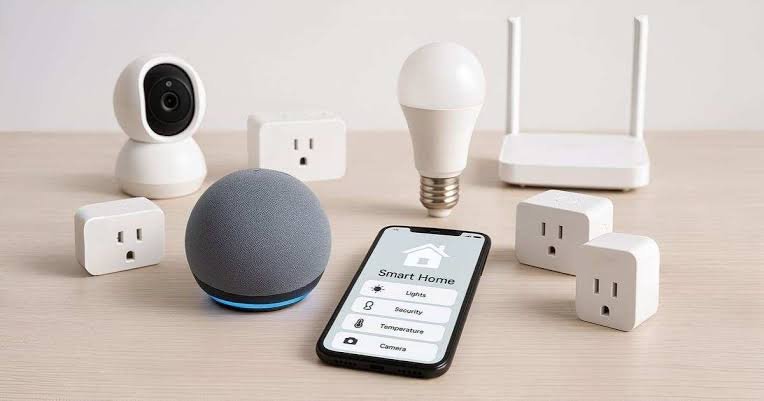
A smart security camera is often the first smart home device people invest in, and for good reason. These cameras let you monitor your home in real time from anywhere using a mobile app.
Key features to look for:
- Night vision and motion detection
- Two-way audio communication
- Cloud or local storage options
- Integration with mobile alerts
Placing cameras at entry points and common areas gives you peace of mind, especially if you travel frequently or live alone.
(Internal link opportunity: link to your “Best Home Security Systems 2025 Comparison” article here)
2. Smart Door Locks
Smart door locks replace traditional keys with PINs, fingerprint scanning, or smartphone access. This eliminates the risk of losing keys and allows you to grant temporary access to guests or domestic help without duplicating keys.
Many smart locks also send notifications whenever someone enters or exits, adding an extra layer of home security.
3. Smart Lighting Systems
Smart lighting is one of the most popular smart home devices because it’s affordable and easy to install. With smart bulbs and switches, you can:
- Schedule lights to turn on/off automatically
- Adjust brightness and color remotely
- Create routines for mornings and evenings
- Save electricity by avoiding lights left on unnecessarily
Smart lighting also works well with voice assistants, letting you control your entire home’s lighting with a simple command.
4. Smart Thermostats and AC Controllers
Temperature control devices are gaining popularity as Indian summers get hotter and electricity bills rise. Smart AC controllers let you manage your air conditioner remotely, set schedules, and monitor energy usage.
Benefits include:
- Reduced electricity consumption
- Remote temperature adjustment before arriving home
- Usage reports to track and optimize energy habits
(Internal link opportunity: link to your “AC Maintenance Tips” article here)
5. Smart Plugs and Switches
Smart plugs are one of the most budget-friendly smart home devices available. They convert any regular appliance into a smart one by allowing you to control it remotely.
You can automate fans, water heaters, and even kitchen appliances without replacing your existing devices — making this an excellent entry point for beginners exploring smart home technology.
6. Voice Assistants and Smart Speakers
Voice assistants like Amazon Alexa and Google Assistant act as the control hub for many smart home devices. They allow hands-free control of lights, locks, cameras, and more.
Popular use cases:
- Setting reminders and alarms
- Playing music or news updates
- Controlling multiple connected devices with one command
- Assisting elderly or visually impaired family members
7. Smart Smoke and Gas Detectors
Safety-focused smart home devices like smoke and gas detectors are essential, especially in kitchens. These devices send instant alerts to your phone if they detect smoke, gas leaks, or unusual temperature spikes, helping prevent accidents before they escalate.
8. Robot Vacuum Cleaners
Robot vacuum cleaners have become a favorite smart home device for busy households. They handle daily cleaning automatically, and many models can be scheduled or controlled via app, saving significant time and effort.
(Internal link opportunity: link to your “Deep Cleaning Checklist” article here)
How to Choose the Right Smart Home Devices for Your Home
Before buying smart home devices, consider these factors:
- Compatibility: Ensure devices work with your existing WiFi and voice assistant ecosystem.
- Budget: Start with one or two devices, like smart plugs or lighting, before expanding.
- Purpose: Prioritize based on your biggest need — security, energy savings, or convenience.
- Reviews and warranty: Choose trusted brands with good after-sales support, especially important in the Indian market.
FAQs About Smart Home Devices
1. What are the most affordable smart home devices to start with? Smart plugs and smart bulbs are the cheapest and easiest smart home devices to begin with, often costing very little per unit.
2. Do smart home devices work without WiFi? Most smart home devices require a stable WiFi connection for remote access, though some can operate on Bluetooth for local control.
3. Are smart home devices safe from hacking? Reputable smart home devices use encryption and require strong passwords. Always update firmware regularly and avoid using default passwords.
4. Can I install smart home devices myself? Yes, most smart plugs, bulbs, and cameras are designed for easy DIY installation without professional help.
5. Which smart home devices help save electricity the most? Smart thermostats, AC controllers, and smart plugs are most effective at reducing electricity consumption by monitoring and automating usage.
6. Are smart home devices compatible with Indian power sockets and voltage? Most smart home devices sold in India are designed to work with local voltage standards (220-240V) and socket types, but always check product specifications before purchasing.
Conclusion
Smart home devices in 2025 offer far more than novelty — they provide real, everyday benefits like enhanced security, energy savings, and convenience for the entire family. From smart locks and cameras to lighting and voice assistants, these devices are becoming essential parts of the modern Indian household.
Start small by choosing one or two smart home devices that address your biggest need, whether that’s security, energy efficiency, or convenience, and gradually build a fully connected smart home.
Ready to upgrade your home? Explore our related guides on home security and energy-saving tips to make the most informed smart home decisions.