Vitrified Tiles vs Marble: Which Flooring to Choose
When planning new flooring, the vitrified tiles vs marble debate is one of the most common decisions homeowners face. Both options offer distinct aesthetic appeal, but they differ significantly in cost, maintenance, and long-term performance.
Understanding the practical differences in the vitrified tiles vs marble comparison helps you choose flooring that matches both your budget and lifestyle needs.
This guide breaks down everything you need to know about vitrified tiles vs marble flooring to help you make a confident, informed decision for your home.
Understanding the Basics
Before comparing specific factors, it helps to understand what vitrified tiles vs marble actually means in terms of material composition.
- Vitrified tiles are manufactured tiles made through a process that fuses silica and clay at high temperatures, resulting in a dense, low-porosity surface
- Marble is a natural stone, quarried and cut into slabs, prized for its unique veining and classic appeal
This fundamental difference, manufactured versus natural, shapes nearly every other point of comparison between the two.
1. Cost Comparison
Budget is often the deciding factor in the vitrified tiles vs marble decision for many homeowners.
Vitrified tiles:
- Generally more affordable across various quality grades
- Consistent pricing due to standardized manufacturing
Marble:
- Typically more expensive, especially for premium varieties
- Pricing varies significantly based on origin, quality, and slab size
For budget-conscious renovations, vitrified tiles often provide better value without dramatically compromising on appearance.
(Internal link opportunity: link to your “Budget-Friendly Flooring Options for 2025” article here)
2. Durability and Maintenance
Long-term durability is a critical factor in the vitrified tiles vs marble comparison.
- Vitrified tiles are highly resistant to scratches, stains, and water absorption
- Marble is more porous and prone to staining if not sealed properly
- Vitrified tiles require minimal maintenance, typically just regular sweeping and mopping
- Marble requires periodic sealing and more careful cleaning to maintain its appearance
For high-traffic areas or homes with children and pets, vitrified tiles often offer more practical durability.
3. Aesthetic Appeal
Both options offer distinct visual advantages in the vitrified tiles vs marble comparison, depending on personal style preferences.
Vitrified tiles:
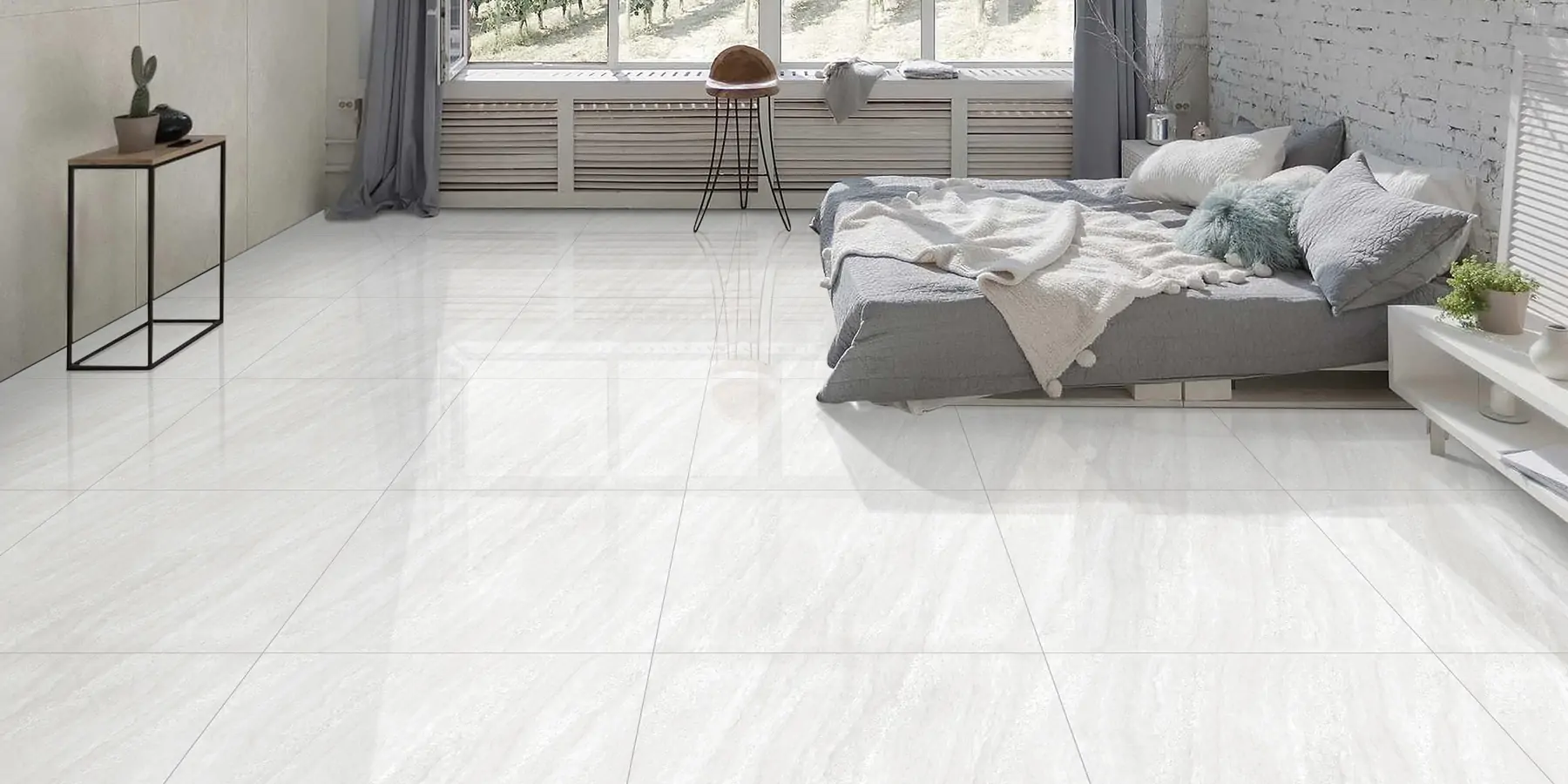
- Available in numerous designs mimicking marble, wood, or stone patterns
- Consistent appearance across all tiles from the same batch
Marble:
- Unique, natural veining patterns that no manufactured tile can fully replicate
- Considered a symbol of luxury and timeless elegance
If authentic natural stone appearance matters most to you, marble remains difficult to match despite tile advancements.
4. Installation Process
Installation complexity varies between these two options, impacting overall project timelines and costs.
- Vitrified tiles are generally easier and faster to install due to standardized sizes
- Marble installation requires skilled labor for cutting and polishing slabs to fit spaces precisely
- Marble often requires additional finishing work like polishing after installation
(Internal link opportunity: link to your “Kitchen Renovation Cost Guide” article here)
5. Climate Suitability
Considering India’s diverse climate is important when deciding between vitrified tiles vs marble.
- Vitrified tiles handle temperature fluctuations well without cracking
- Marble can feel naturally cooler underfoot, appealing in hot climates
- Both materials perform reasonably well in humid conditions, though marble requires proper sealing to prevent moisture absorption
6. Long-Term Value and Resale Appeal
Considering resale value is worthwhile in the vitrified tiles vs marble decision, especially for those planning to sell in the future.
- Marble flooring is often perceived as a premium feature, potentially increasing property appeal
- Vitrified tiles, while practical, may not carry the same luxury perception
- However, high-quality vitrified tiles with marble-like finishes can offer a good balance of aesthetics and practicality
7. Suitability for Different Rooms
Different areas of your home may benefit from different choices in the vitrified tiles vs marble comparison.
Best for vitrified tiles:
- Kitchens and bathrooms, due to water and stain resistance
- High-traffic areas like living rooms and hallways
Best for marble:
- Formal living areas or entryways where aesthetic impact matters most
- Areas with lower foot traffic, reducing wear concerns
(Internal link opportunity: link to your “Anti-Skid Tiles for Bathroom” article here)
8. Environmental Considerations
Sustainability is an increasingly relevant factor in the vitrified tiles vs marble discussion.
- Marble, being a natural stone, involves quarrying that has environmental impact
- Vitrified tile manufacturing also has an environmental footprint, though production processes continue to improve efficiency
- Both options are long-lasting, reducing the need for frequent replacement
How to Decide Between Vitrified Tiles and Marble
Consider these factors when making your final decision:
- Assess your budget realistically, including installation costs
- Consider room-specific needs – high-traffic areas may favor tiles
- Evaluate maintenance capacity – marble requires more upkeep
- Factor in aesthetic priorities – natural stone versus consistent manufactured designs
FAQs About Vitrified Tiles vs Marble
1. Which is more affordable, vitrified tiles vs marble? Vitrified tiles are generally more budget-friendly than marble, especially when considering installation costs.
2. Which flooring is easier to maintain? Vitrified tiles require less maintenance overall, as they’re less porous and more resistant to staining compared to marble.
3. Can vitrified tiles look as good as marble? Many modern vitrified tiles feature marble-like patterns, offering a similar aesthetic at a lower cost, though they don’t fully replicate natural veining.
4. Is marble flooring suitable for bathrooms? Marble can be used in bathrooms but requires proper sealing and careful maintenance due to its porous nature and slip potential when wet.
5. Which flooring adds more value to a property? Marble is often perceived as more premium, potentially adding aesthetic value, though high-quality vitrified tiles also offer good returns for the investment.
6. How do vitrified tiles and marble compare in terms of climate performance? Both handle Indian climate conditions reasonably well, though marble feels naturally cooler underfoot, which some homeowners prefer in hot regions.
Conclusion
The vitrified tiles vs marble decision ultimately comes down to your budget, maintenance preferences, and aesthetic priorities. Vitrified tiles offer practical durability and affordability, while marble brings timeless natural elegance at a higher cost and maintenance requirement.
Consider your specific room needs, budget constraints, and long-term maintenance capacity before making your final flooring choice.
Explore our related guides on budget flooring options and kitchen renovation costs to plan your complete flooring project with confidence.