When to Call a Plumber vs Fixing It Yourself
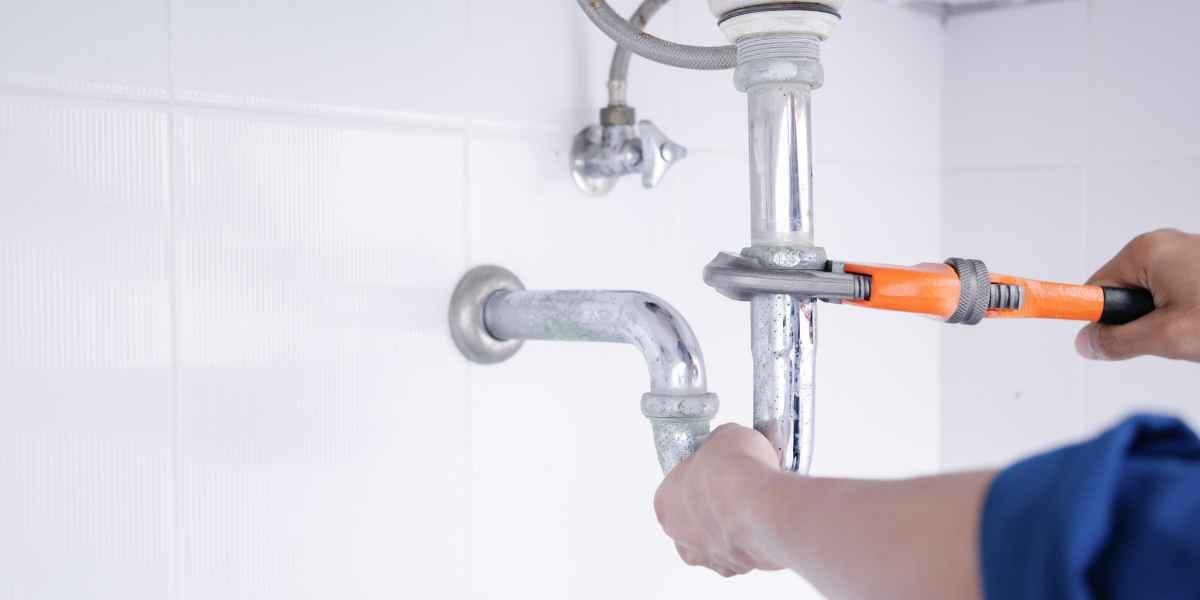
Knowing when to call a plumber versus attempting a repair yourself can save you both time and money, while avoiding costly mistakes. Many homeowners either call professionals for minor issues that could be fixed easily, or attempt DIY repairs on problems that genuinely require expertise.
Understanding when to call a plumber depends largely on the complexity of the issue, the tools required, and the potential risks involved if the repair goes wrong.
This guide breaks down common plumbing situations, helping you decide when to call a plumber and when a DIY approach is appropriate.
Why This Decision Matters
Making the right choice about when to call a plumber has real consequences for your home and budget:
- Attempting complex repairs yourself can lead to bigger, costlier problems
- Calling a plumber for minor issues wastes money on unnecessary service fees
- Some plumbing mistakes can cause water damage or safety hazards
- Understanding your own skill level helps you make confident decisions
Striking the right balance ensures efficient, cost-effective home maintenance.
1. Leaking or Dripping Taps
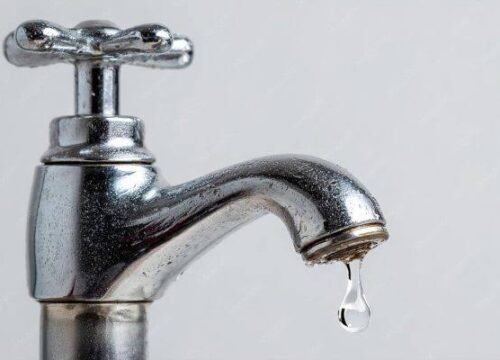
A dripping tap is usually one of the simplest issues to resolve without needing to know when to call a plumber immediately.
DIY-friendly in most cases:
- Replacing worn washers or O-rings
- Tightening loose connections
- Applying plumber’s tape to threaded joints
(Internal link opportunity: link to your “How to Fix a Leaking Tap Yourself” article here)
Call a plumber only if the leak persists after basic repairs or if you notice corrosion in the pipes.
2. Clogged Drains
Minor clogs are often manageable at home, but knowing when to call a plumber for drainage issues depends on severity.
Try yourself first:
- Use a plunger for simple clogs
- Try a mixture of baking soda and vinegar for mild blockages
- Use a drain snake for accessible clogs
Call a plumber if:
- Multiple drains are clogged simultaneously, indicating a deeper issue
- Water backs up despite repeated attempts to clear the blockage
- You notice foul odors suggesting sewer line problems
3. Low Water Pressure
Low water pressure can stem from simple or complex causes, making this a common scenario for deciding when to call a plumber.
DIY checks:
- Clean aerators on faucets for mineral buildup
- Check if the issue is isolated to one tap or affects the whole house
Professional help needed:
- If pressure issues affect the entire home
- If pipes show signs of corrosion or damage
(Internal link opportunity: link to your “Low Water Pressure in Bathroom: Causes and Solutions” article here)
4. Running Toilets
A running toilet is often simple enough to fix without needing to know when to call a plumber right away.
- Check and replace the flapper valve if it’s worn
- Adjust the float mechanism if water levels seem incorrect
- Inspect the fill valve for proper function
If these steps don’t resolve the issue, or if you notice water leaking from the base of the toilet, it’s time to call a plumber.
5. Water Heater Issues
Water heaters involve both plumbing and electrical components, making this an important area to understand when to call a plumber.
Safe DIY tasks:
- Checking and resetting the thermostat
- Inspecting for visible leaks around the tank
Requires professional help:
- Pilot light issues in gas water heaters
- Strange noises indicating sediment buildup
- Any electrical component repairs
Water heater repairs often involve safety risks, making professional assistance the safer choice in most cases.
6. Pipe Leaks and Bursts
Pipe issues are a clear example of when to call a plumber immediately rather than attempting DIY repairs.
- Small, temporary leaks can sometimes be managed with pipe repair tape as a short-term fix
- Burst pipes require immediate professional attention to prevent water damage
- Corroded or old pipes often need complete replacement, which is not a DIY task
(Internal link opportunity: link to your “Best Plumbing Pipe Materials for Your Home” article here)
7. Sewer Line Problems
Sewer line issues are almost always a situation where knowing when to call a plumber is critical for both hygiene and structural reasons.
Warning signs requiring professional help:
- Multiple drains backing up simultaneously
- Persistent foul odors from drains
- Unusually lush patches of grass in your yard, indicating leakage
These issues involve specialized equipment and expertise that go beyond typical DIY capabilities.
8. Installing New Fixtures
Installing new taps, sinks, or toilets raises questions about when to call a plumber versus attempting installation yourself.
DIY-friendly:
- Replacing a showerhead or simple fixture swaps
Better left to professionals:
- Installing new sinks or toilets requiring plumbing connections
- Any installation involving modifying existing pipe layouts
Incorrect installation can lead to leaks and water damage, making professional installation worthwhile for complex fixtures.
How to Decide: A Quick Checklist
Use this checklist to help determine when to call a plumber:
- Assess your comfort level with basic tools and repairs
- Consider the risk of water damage if the repair goes wrong
- Evaluate complexity – simple fixes vs system-wide issues
- Factor in safety – electrical or gas-related components need professionals
FAQs About When to Call a Plumber
1. When to call a plumber for a leaking tap? Call a plumber if basic washer or O-ring replacement doesn’t stop the leak, or if you notice pipe corrosion.
2. Can I unclog a drain myself before calling a plumber? Yes, try a plunger or natural solutions first; only call a plumber if multiple drains are affected or clogs persist.
3. Is it safe to fix water heater issues myself? Basic thermostat checks are safe, but gas or electrical repairs should always be handled by a professional.
4. When to call a plumber for low water pressure? If low pressure affects your entire home rather than a single tap, it’s best to call a plumber to check for underlying pipe issues.
5. Are burst pipes always an emergency requiring a plumber? Yes, burst pipes require immediate professional attention to prevent significant water damage.
6. Can I install a new toilet or sink myself? While possible for those with plumbing experience, most homeowners benefit from professional installation to avoid leaks and connection issues.
Conclusion
Knowing when to call a plumber versus handling repairs yourself comes down to understanding the complexity, risks, and safety concerns involved in each situation. From simple tap leaks to serious sewer line issues, matching the right approach to each problem saves both time and money.
When in doubt, especially with anything involving gas, electrical components, or major water damage risk, calling a professional is always the safer choice.
Explore our related guides on DIY tap repairs and plumbing materials to handle minor issues confidently while knowing when to seek professional help.