Best Roofing Materials: A Complete Comparison Guide
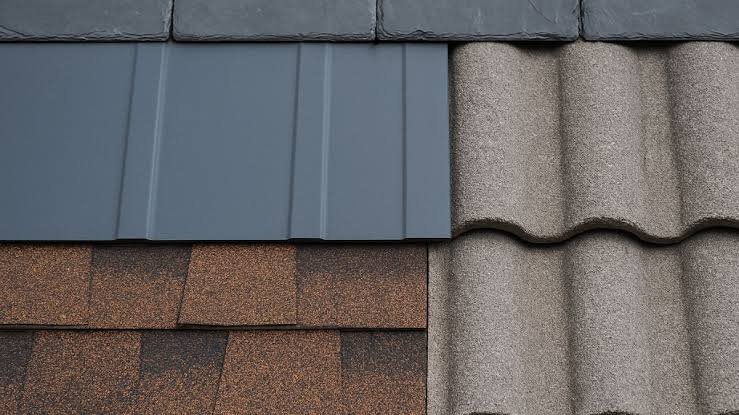
Choosing the best roofing materials for your home is a decision that affects durability, maintenance, cost, and even energy efficiency for decades to come. With so many options available, from traditional to modern materials, making the right choice can feel overwhelming.
Understanding the strengths and limitations of each option helps you identify the best roofing materials suited to your specific climate, budget, and home style.
This guide compares popular roofing material options available in India, helping you make an informed decision for your next construction or renovation project.
Why Choosing the Right Roofing Material Matters
Before comparing specific options, it’s worth understanding why selecting the best roofing materials is such an important decision:
- Impacts long-term durability and resistance to weather conditions
- Affects overall construction or renovation costs significantly
- Influences maintenance requirements and associated costs over time
- Plays a role in indoor temperature regulation and energy efficiency
Getting this decision right upfront saves considerable money and hassle in future repairs.
1. RCC (Reinforced Cement Concrete) Roofing
RCC remains one of the most commonly used and best roofing materials for residential construction across India.
Advantages:
- Extremely durable, often lasting several decades with proper maintenance
- Provides strong structural support for additional floors if needed
- Resistant to fire and pest damage
Considerations:
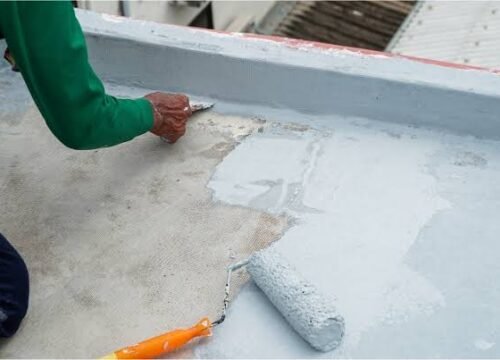
- Requires proper waterproofing to prevent leaks over time
- Higher initial construction cost compared to some alternatives
(Internal link opportunity: link to your “Roof Leakage Solutions” article here)
2. Clay Tiles
Clay tiles have been used traditionally and remain among the best roofing materials for certain architectural styles.
- Naturally resistant to heat, helping keep interiors cooler
- Aesthetically appealing, particularly for traditional or heritage-style homes
- Long lifespan when properly maintained, often exceeding 50 years
Considerations:
- Heavier than some modern alternatives, requiring stronger structural support
- Can be more expensive than basic sheet roofing options
3. Metal Roofing (Galvanized or Colored Steel Sheets)
Metal roofing has gained popularity as one of the best roofing materials for both residential and commercial structures.
Advantages:
- Lightweight, reducing structural load requirements
- Faster installation compared to concrete or tile roofing
- Resistant to pests and fire
Considerations:
- Can become noisy during heavy rainfall without proper insulation
- May absorb more heat unless coated with reflective materials
(Internal link opportunity: link to your “Pros and Cons of Metal Roofing” article here)
4. Asphalt Shingles
While more common internationally, asphalt shingles are increasingly considered among the best roofing materials for certain Indian construction projects.
- Relatively affordable compared to some traditional materials
- Available in various colors and styles for aesthetic flexibility
- Moderate lifespan, typically 20-30 years depending on quality
Considerations:
- Less commonly used in India, which may affect availability and installation expertise
- Performance in extreme heat conditions varies by product quality
5. Polycarbonate Sheets
For specific applications like sheds, balconies, or partial roofing, polycarbonate sheets are among the best roofing materials for lightweight, translucent coverage.
- Allows natural light through while providing weather protection
- Lightweight and relatively easy to install
- Resistant to impact and weathering when UV-protected
Considerations:
- Not typically suitable as a primary roofing material for entire homes
- Best used for specific areas like carports, sheds, or covered walkways
6. Fiber Cement Roofing Sheets
Fiber cement sheets are considered among the best roofing materials for budget-conscious construction projects requiring durability.
- More affordable than RCC or tile roofing
- Reasonably durable with proper installation and maintenance
- Available in various profiles to suit different architectural needs
Considerations:
- May require additional insulation for temperature regulation
- Professional installation recommended for proper water-tight sealing
(Internal link opportunity: link to your “Budget-Friendly Flooring Options for 2025” article here, since budget material choices often go hand-in-hand)
7. Green Roofing (Living Roofs)
An emerging option among the best roofing materials for environmentally conscious homeowners is green or living roofing.
- Provides natural insulation, reducing indoor temperatures
- Contributes to improved air quality and biodiversity
- Adds aesthetic and functional green space to urban homes
Considerations:
- Requires structural assessment to ensure adequate weight support
- Involves ongoing maintenance for plant health and drainage systems
8. Comparing Cost, Durability, and Climate Suitability
When evaluating the best roofing materials for your specific needs, consider this comparison framework:
| Factor | RCC | Clay Tiles | Metal | Fiber Cement |
| Durability | High | High | Moderate-High | Moderate |
| Cost | Higher | Moderate-High | Moderate | Lower-Moderate |
| Heat Resistance | Moderate | High | Low (without coating) | Moderate |
| Maintenance | Moderate | Low-Moderate | Low | Moderate |
This comparison helps narrow down options based on your priorities, whether that’s cost, durability, or climate performance.
How to Choose the Best Roofing Material for Your Home
Follow these steps to make an informed decision:
- Assess your climate conditions – heat, rainfall, and humidity levels in your region
- Determine your budget – both initial construction and long-term maintenance costs
- Consider structural requirements – heavier materials need stronger support systems
- Evaluate aesthetic preferences – matching material style to your home’s overall design
- Consult a structural engineer or contractor for personalized recommendations
FAQs About Best Roofing Materials
1. What are the best roofing materials for hot Indian climates? Clay tiles and properly coated metal roofing are among the best roofing materials for managing heat in hot climates, thanks to their reflective or insulating properties.
2. Which roofing material is most cost-effective? Fiber cement sheets and metal roofing are generally more budget-friendly compared to RCC or clay tile options.
3. How long do different roofing materials typically last? RCC and clay tiles can last several decades with proper maintenance, while metal and fiber cement options typically last 20-30 years.
4. Is metal roofing noisy during rain? Yes, without proper insulation, metal roofing can be noisier during heavy rainfall compared to concrete or tile alternatives.
5. Which roofing material requires the least maintenance? Metal roofing and RCC generally require less frequent maintenance compared to materials like fiber cement, provided proper waterproofing is maintained.
6. Can I combine different roofing materials in one home? Yes, many homeowners use different materials for different sections, such as RCC for main structures and polycarbonate sheets for sheds or balconies.
Conclusion
Selecting the best roofing materials for your home depends on balancing durability, cost, climate suitability, and aesthetic preferences. From traditional RCC and clay tiles to modern metal and fiber cement options, each material offers distinct advantages for different needs.
Take time to assess your specific climate conditions, budget, and structural requirements before making this important long-term decision.
Explore our related guides on roof leakage solutions and terrace waterproofing to ensure your chosen roofing material performs well for years to come.