Designing a Home Around the Way You Actually Live
A beautiful home can look impressive in photographs, yet still feel slightly wrong when you’re the one living in it. Maybe the sofa is too far from the coffee table. The kitchen feels disconnected from everyone else. Or there’s a lovely dining area that somehow becomes a place where nobody actually eats.
Good interior design isn’t really about filling a room with expensive furniture. It’s about understanding everyday habits — where people sit, where they gather, where they work, where they drop their keys, and even where they tend to leave yesterday’s newspaper.
The most comfortable homes are often rooms that embrace the rhythm of life, rather than spaces designed simply to look polished. They have room for routines, interruptions, conversations and the occasional mess. And honestly, that’s what makes a house feel like home.
Start With Real Habits, Not a Floor Plan
Before choosing colours or furniture, think about how the space is actually used.
Do you drink coffee while sitting on the sofa, or do you prefer the kitchen counter? Does someone in the household work from home? Are weekends usually spent entertaining friends, or are they quieter affairs with a book and a film?
These questions sound simple, but they can change the entire design approach.
A family that loves cooking together may need a wider kitchen island with comfortable stools. Someone who enjoys reading might value a quiet corner with natural light more than an oversized television. A home with young children needs accessible storage and durable surfaces, even if that means sacrificing a little visual perfection.
Design should serve these realities.
Let Furniture Create Conversation
Furniture placement has a surprisingly big influence on how people interact. A room can have beautiful pieces and still feel awkward if everything is pushed against the walls.
Try bringing seating slightly inward. A pair of chairs facing a sofa can make conversation easier. A small side table between seats gives people somewhere to put a drink or a phone without reaching across the room.
The goal isn’t symmetry for its own sake. It’s connection.
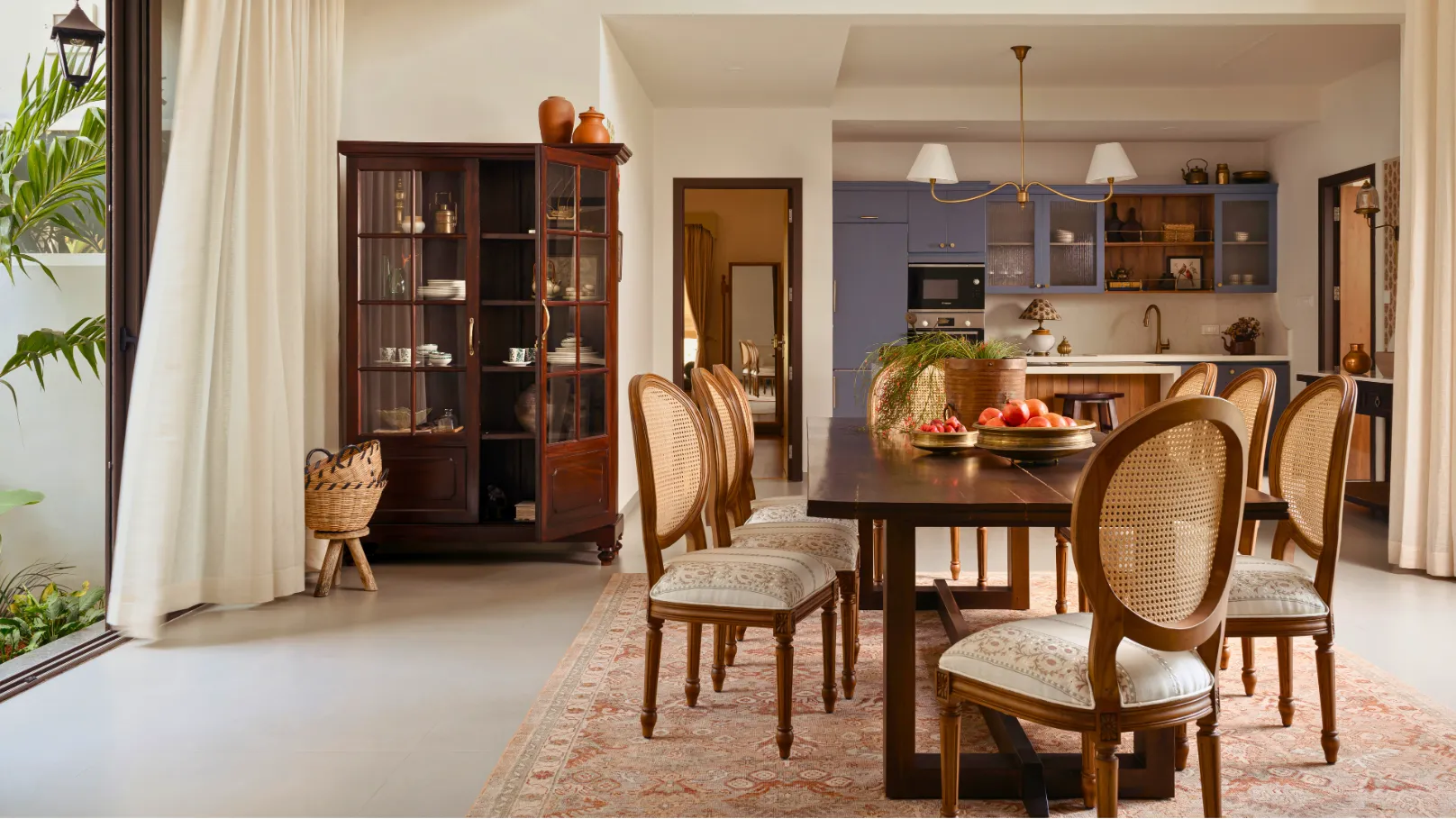
In open-plan homes especially, furniture can quietly define different zones without making the space feel divided. A rug can mark a sitting area. Pendant lighting can identify a dining zone. A bookcase can provide separation while keeping sightlines open.
These small decisions help different living spaces feel purposeful while still belonging to the same home.
Dining Areas Should Feel Inviting
There’s something wonderfully ordinary about sitting down for a proper meal. Even when dinner is just leftovers on a Tuesday night, having a comfortable place to eat can make the moment feel a little more intentional.
When planning dining rooms, think beyond the table itself. Consider the distance around the chairs, the direction of natural light, nearby storage and how easily people can move between the kitchen and dining area.
A table that technically fits isn’t always the right table. Leave enough space for someone to pull out a chair without bumping into a wall or another person. If the room is compact, a round or extendable table may work better than a large rectangular one.
Lighting matters, too. A warm pendant above the table can create intimacy, while adjustable lighting allows the room to change mood throughout the day.
Storage Should Make Life Easier
One of the least glamorous parts of interior design is also one of the most important: storage.
A home feels calmer when everyday objects have somewhere to go. That doesn’t mean hiding everything behind perfectly fitted cabinetry. Open shelves, baskets, benches with storage and attractive cabinets can all work.
Think about what tends to accumulate.
Shoes near the entrance. Chargers beside the sofa. Bags in the bedroom. Kitchen equipment that somehow never makes it back into the cupboard.
Instead of fighting these habits, design around them.
A bench near the entrance with concealed storage, for instance, can solve two problems at once. It gives people somewhere to sit while putting on shoes and keeps clutter contained. Sometimes the smartest design solutions are almost boring — until you live with them.
Use Materials That Age Well
Trends come and go quickly. Natural materials tend to have more staying power.
Wood adds warmth. Stone brings texture. Linen softens a room. Metal can introduce a little edge without dominating the space.
This doesn’t mean every home needs to become a catalogue of neutral colours and natural textures. Personality matters. Paint, artwork, patterned fabrics and unusual furniture can bring energy into otherwise restrained interiors.
The trick is balance.
Choose finishes that can handle real life. If children or pets are around, fragile materials may become a constant source of frustration. If a kitchen is heavily used, easy-to-clean surfaces are worth considering. A beautiful material that makes daily life difficult isn’t necessarily a successful design choice.
Light Changes Everything
Natural light is one of the most valuable features any home can have, but artificial lighting deserves just as much attention.
Instead of relying on a single ceiling fixture, layer different sources. Use floor lamps, table lamps, wall lights and task lighting where needed.
Think about how the room changes from morning to night.
A bright kitchen may need focused lighting for preparation, while a sitting area benefits from softer illumination in the evening. Bedrooms usually feel better with gentle, adjustable light rather than one harsh overhead source.
Mirrors can also help distribute daylight, particularly in smaller rooms. Positioning them thoughtfully can make a space feel brighter without adding another lamp.
Leave Some Breathing Room
There’s a temptation to fill every corner. A large empty wall can feel like an unfinished task, so we immediately start looking for something to hang there.
But empty space has value.
A little breathing room allows important furniture or artwork to stand out. It also makes movement easier and keeps the home from feeling visually crowded.
Not every surface needs decoration. Not every shelf needs books. And not every room needs to perform a dozen functions.
Sometimes restraint is what makes a room feel sophisticated.
Make the Home Personal
The final layer of a successful home is the part no designer can completely manufacture: personality.
Family photographs, objects collected during travels, inherited furniture, handmade pieces and books all tell a story. They don’t need to match perfectly.
In fact, a home where everything matches can sometimes feel strangely anonymous.
A slightly worn chair may have more emotional value than a brand-new designer piece. A collection of mismatched frames may say more about the people living there than a perfectly coordinated gallery wall.
Home is personal. It should show evidence of the people who occupy it.
A Home Should Work on Ordinary Days
The best test of interior design isn’t the housewarming party. It’s an ordinary Wednesday evening.
Can you move comfortably through the kitchen? Is there somewhere to put your bag? Can everyone sit down together? Is the lighting pleasant after sunset? Can you find things without opening five cupboards?
Those everyday details matter more than a perfectly styled photograph.
A thoughtful home doesn’t demand that people change their lives to suit the design. Instead, the design quietly adapts to them. It makes routines easier, gatherings more comfortable and quiet moments more enjoyable.
And perhaps that’s the real point of creating a home: not perfection, but belonging. A space should look good, certainly, but it should also make sense when life gets busy, when friends arrive unexpectedly, and when you simply want to kick off your shoes and relax.