The Water Talk Nobody Has Until Something Breaks
Funny how it usually takes a broken appliance or a weird taste in your morning coffee before anyone actually thinks about their water. I was the same way. Never gave it a second thought until my kettle started looking like it had a chalky snowstorm inside it. That’s when I started asking questions I probably should’ve asked years earlier.
Turns out, most of us are walking around with zero clue what’s actually in the water running through our homes. It’s not something you can eyeball. You could pour a glass right now and it’d look perfectly normal, taste fine even, and still be loaded with minerals or particles doing quiet damage behind the scenes — to your pipes, your skin, your appliances, all of it.
The Hardness Problem Nobody Warns You About
Let’s talk about hard water for a second, because honestly, it doesn’t get enough attention. Hard water isn’t dangerous exactly, but it’s annoying in about a dozen small ways that pile up over time. Soap doesn’t lather right. Your hair feels weird after a shower, kind of straw-like. Dishes come out with spots no matter how good your detergent is. And behind your walls, mineral buildup is slowly narrowing your pipes and shortening the life of anything that heats or moves water.
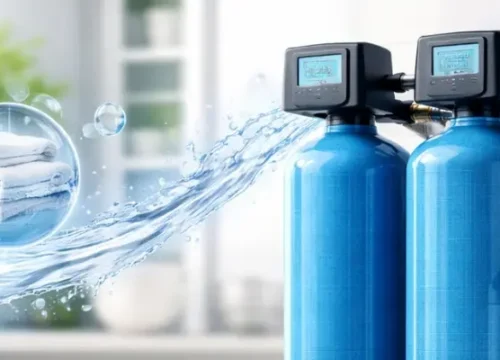
This is usually where water softeners enter the conversation, and for good reason. They work by swapping out the calcium and magnesium that cause all that stiffness in your water for sodium ions, which sounds technical but really just means — softer water, less buildup, appliances that actually last as long as they’re supposed to. I put one in after my kettle incident and, not gonna lie, I was skeptical at first. But the difference in how my skin felt after a shower alone was enough to convince me it wasn’t a gimmick.
But Hardness Isn’t the Whole Story
Here’s where people sometimes stop too early. They fix the hardness issue and think they’re done. But water can carry other stuff too — chlorine, sediment, trace contaminants, whatever’s lingering from old municipal pipes on the way to your house. That’s a separate problem, and it needs a separate kind of solution.
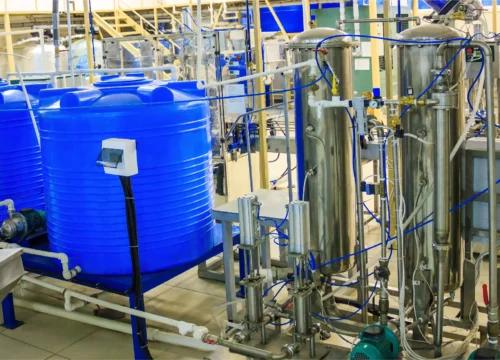
That’s where filtration systems come into play. They’re doing a different job than a softener — instead of dealing with mineral content, they’re pulling out particles, chemicals, and impurities so what comes out of your tap is actually clean, not just “soft.” I didn’t realize how much of a difference this made until I had both set up in my house. The water wasn’t just gentler on my skin anymore, it genuinely tasted better too. Cleaner, if that’s even the right word for water.
What It’s Really Like Once You Get There
I’ll admit, before all this, I thought bottled water was just… better, somehow. Safer, cleaner, whatever. But once I had a proper setup at home, that assumption kind of fell apart. There’s something almost surprising about turning on your own tap and getting genuinely pure crisp water without needing to buy a case of plastic bottles every week. It sounds like a small thing until you’re the one filling up your glass at midnight without a second thought about what’s actually in it.
And honestly, once you experience that, it’s hard to go back to not caring. You start noticing things you didn’t before — like how much better your coffee tastes, or how your glasses don’t have that cloudy film anymore, or how your showerhead isn’t clogging every couple months. None of these are life-changing on their own. But together? They quietly improve your everyday life in ways you don’t expect until they’re gone.
So, Where Do You Even Start?
If you’re reading this because something in your house just broke, or your water’s been bugging you for a while now — start simple. Figure out what your actual problem is before buying anything. Is it hardness? Taste? Contaminants? Sometimes it’s more than one thing, and that’s okay too. The point isn’t to throw money at every gadget on the market; it’s to understand your water well enough to fix the right problem.
I wish someone had told me this stuff years ago, honestly. I spent way too long ignoring the signs — the spotty dishes, the dry skin, the weird taste in my water bottle — thinking it was all just normal. It wasn’t. And fixing it wasn’t nearly as complicated or expensive as I assumed it’d be.
So if your water’s been quietly annoying you for a while, maybe don’t wait for the kettle to give up on you like mine did. Take a closer look. Your future self, standing at the sink filling up a glass without a second thought, will probably thank you for it.