Making Sense of Water Quality: Choosing the Right Treatment for Your Home
Water is one of those things most of us barely notice until something feels off. Maybe the shower leaves white spots on the glass. Perhaps your soap doesn’t seem to lather properly, or the water has an odd taste when you make your morning coffee. Sometimes the problem is obvious. Other times, you simply know that something isn’t quite right.
The good news is that water quality problems don’t always require a complicated fix. The first step is understanding what is actually in your water and what you want to improve. Once those two pieces are clear, choosing the right equipment becomes much less confusing.
Start With the Problem, Not the Equipment
It’s tempting to begin by searching for the latest filtration technology. But buying a system before identifying the problem can leave you with an expensive piece of equipment that doesn’t solve much.
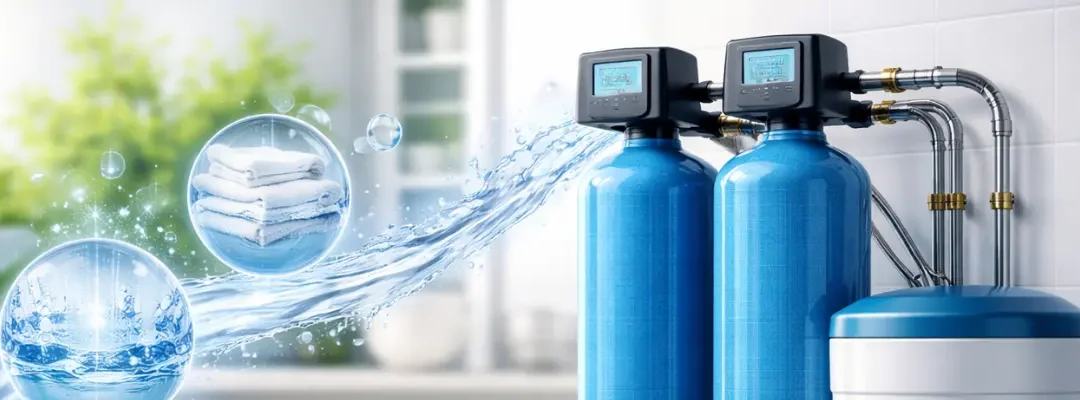
Hard water, for example, is mainly associated with minerals such as calcium and magnesium. You may notice scale around faucets, dull-looking dishes, stiff laundry, or deposits inside appliances. In that situation, water softeners & conditioners may be worth considering because they are designed around mineral-related water issues rather than simply trying to remove every possible contaminant.
On the other hand, a strange taste isn’t necessarily caused by hardness. Chlorine, sediment, certain dissolved minerals, or other substances can influence how water smells or tastes. That’s why testing or a professional water assessment can be so useful before making a decision.
Know What a Water Softener Actually Does
Water softening is often misunderstood. A traditional softener is generally intended to reduce hardness minerals that cause scale and interfere with everyday cleaning.
Think about a kettle you’ve used for years. That crusty layer inside isn’t just annoying to look at. Similar mineral buildup can occur inside plumbing fixtures, water heaters, dishwashers, washing machines, and other appliances.
Conditioning approaches can work differently depending on the technology involved. Some are designed to alter how minerals behave rather than remove them. The important thing is to match the system to the actual water conditions instead of assuming every “hard water solution” works in exactly the same way.
When You Need Cleaner-Tasting Drinking Water
Whole-home water treatment and drinking-water treatment aren’t necessarily the same thing. You might be perfectly happy with your shower water after addressing hardness, while still wanting an additional level of purification for the water you drink and cook with.
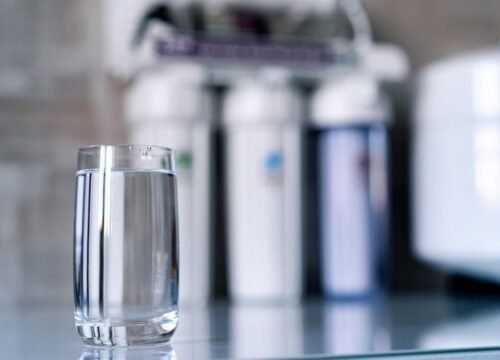
This is where reverse osmosis systems can become useful. Reverse osmosis uses a semipermeable membrane to reduce many dissolved substances from water. Depending on the specific system and membrane, it can help address certain salts, minerals, and other dissolved contaminants.
That doesn’t mean reverse osmosis is automatically the best answer for every kitchen. It can produce some wastewater, requires filter and membrane maintenance, and is usually installed at a specific point of use. For households concerned mainly about drinking-water quality, though, that focused approach can make a lot of sense.
Don’t Ignore Sediment
Sediment is another common issue, and it’s easy to overlook because it isn’t always visible.
Fine particles can enter water from aging infrastructure, wells, plumbing work, or other sources. Even when the particles are too small to notice in a glass, they can affect faucets, fixtures, appliances, and downstream treatment equipment.
A sediment filter can sometimes serve as an important first stage. It captures particles before they reach more sensitive components, helping the rest of the treatment setup work more effectively. Filter size and micron rating matter, however, so bigger isn’t automatically better.
Look at the Whole House
One of the biggest mistakes homeowners make is treating a whole-house problem with a small point-of-use solution.
If your main concern is scale throughout the plumbing, a kitchen drinking-water filter won’t address the shower, water heater, laundry, or bathroom fixtures. Likewise, a whole-house filter may not provide the same level of dissolved-contaminant reduction that a dedicated drinking-water system can offer.
A thoughtful setup might involve more than one stage. For example, sediment protection could come first, hardness treatment could follow, and a dedicated drinking-water system could handle the kitchen. The exact combination depends on the source water and the household’s priorities.
Professional Advice Can Prevent Expensive Guesswork
There are plenty of systems available today, and that’s both helpful and a little overwhelming. Capacity, flow rate, filter life, maintenance requirements, installation space, regeneration cycles, and operating costs can all affect the decision.
Good water treatment solutions begin with diagnosis rather than a sales pitch. A professional should be willing to explain what has been found, what each component does, and why a particular setup is being recommended.
Ask questions. How often do filters need changing? What happens during maintenance? How much water does the system use? Is electricity required? What happens if household water demand increases? These details matter more than flashy product descriptions.
Maintenance Is Part of the Solution
Even the best treatment equipment can’t work properly forever without attention. Filters eventually become loaded with sediment. Membranes need care. Softening equipment may require salt or other routine service, depending on the technology.
Ignoring maintenance can gradually reduce performance and, in some cases, create new problems. A system that was producing excellent water a year ago may not perform the same way if filters have been left unchanged or settings have drifted.
It helps to keep a simple maintenance calendar. Write down installation dates, filter changes, service visits, and test results. It sounds basic, but that little record can save considerable frustration later.
Better Water Starts With Better Decisions
There isn’t one universal water treatment system that makes sense for every home. A family using private well water may face a very different set of challenges from someone living in a city with treated municipal water. Even two houses on the same street can have different plumbing concerns.
The smartest approach is fairly straightforward: identify the problem, test when appropriate, understand what each treatment method can and cannot do, and then choose equipment that fits your actual needs.
Water treatment isn’t really about owning the biggest or most sophisticated system. It’s about getting the right level of treatment where it matters. When the equipment matches the problem, everyday things become easier — cleaner fixtures, better-tasting drinking water, protected appliances, and fewer unpleasant surprises. That’s a pretty worthwhile improvement for something we use from morning until night.