Making Sense of Home Exterior Upgrades Before Small Problems Become Big Ones
There’s a point in every homeowner’s life when the outside of the house starts asking for attention. Maybe the roof doesn’t look quite as sharp as it once did. A few boards around the exterior have begun to warp. One room feels colder than the others, and nobody can quite figure out why.
None of these issues necessarily means a major renovation is waiting around the corner. Still, ignoring them isn’t usually the best strategy either. Homes age slowly, and exterior problems often develop in much the same way. A tiny weakness today can become an expensive repair after a few seasons of rain, wind, and temperature changes.
The smarter approach is to understand how the major exterior components work together and decide what actually deserves attention.
The Roof Is Your First Line of Defense
A roof does a lot more than keep rain from dripping into the living room. It protects insulation, framing, ceilings, walls, and belongings from weather exposure. Because it’s constantly exposed to the elements, however, it can take quite a beating.
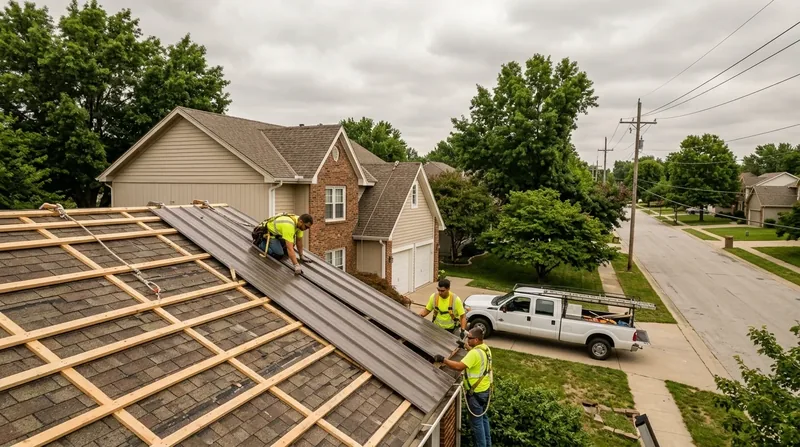
Professional roofing services can be particularly helpful when a roof has missing shingles, damaged flashing, visible wear, recurring leaks, or signs of storm damage. An experienced inspection may also reveal ventilation or drainage concerns that aren’t obvious from the ground.
Homeowners sometimes assume that an aging roof automatically needs to be replaced. That’s not always true. The condition of the materials and the extent of damage matter more than a number on the calendar. In some cases, repairs can keep a roof performing well for years. In others, continuing to patch an increasingly unreliable roof simply delays the inevitable.
Getting an honest assessment first can save both money and frustration.
Siding Has a Protective Role Too
Walk down a street and you’ll probably notice siding because of its color and texture. It gives a house much of its visual character. Yet its practical role is just as important.
Siding helps protect exterior walls from rain, sunlight, wind, and everyday weather exposure. When panels become cracked, loose, warped, or deteriorated, water may find a path behind them.
That’s why siding installation needs to be treated as more than a cosmetic project. Proper preparation, fastening, flashing, trim, and moisture management can all affect how well the finished exterior performs.
The material itself deserves consideration. Vinyl, fiber cement, engineered wood, metal, and other products each have different maintenance requirements and visual qualities. The right choice depends on the house, local weather, budget, and how much maintenance the homeowner is comfortable handling.
A beautiful exterior is great. A beautiful exterior that also keeps moisture where it belongs is much better.
Windows Can Change the Feel of a Room
Windows are easy to overlook until they start causing trouble.
A window that once opened smoothly may suddenly stick. A seal may fail. You might notice condensation, a cold draft, or outside noise that seems louder than it used to be. Sometimes the problem is obvious; sometimes it’s surprisingly subtle.
Modern windows can improve insulation and reduce unwanted air movement when properly selected and installed. They can also change the appearance of a room, bring in more natural light, and make an older home feel considerably fresher.
But replacement isn’t always necessary. Worn weatherstripping, damaged hardware, or failed caulking may be repairable. Before spending thousands on replacement units, it’s worth finding out what is actually wrong.
And if replacement is needed, installation quality matters. Even an excellent product can underperform if it isn’t fitted and sealed correctly.
Water Is Usually Worth Investigating Quickly
Few things create as much trouble for a home as unwanted moisture.
A stain on a ceiling might seem like a small annoyance. Yet the visible mark could be connected to a problem somewhere completely different. Water can travel along framing, behind exterior materials, and around flashing before finally appearing indoors.
This is why guessing the source can be risky.
If a leak appears near a window, for instance, the window may not be the culprit. The roof above it, nearby siding, or damaged flashing could be allowing water into the wall system.
The earlier moisture problems are investigated, the better. Wet materials that remain undetected for long periods can lead to deterioration that costs considerably more to correct.
Think About Energy Efficiency, Too
Home exterior improvements can also affect comfort and energy use.
Drafts around openings, inadequate insulation, air leakage, and poor attic ventilation can all contribute to rooms that feel too hot or too cold. Homeowners sometimes respond by turning up the heating or air conditioning, but that doesn’t necessarily address the underlying problem.
A better strategy is to identify where the home is losing performance.
Sometimes sealing an obvious air leak makes a noticeable difference. In other cases, insulation or ventilation deserves attention. Replacing old exterior components may help too, but it should be done for a reason rather than simply because newer products exist.
There’s no need to spend money fixing something that isn’t actually causing trouble.
Don’t Forget Gutters and Drainage
Gutters aren’t glamorous, but they have an important job.
Their purpose is to collect rainwater from the roof and move it away from the walls and foundation. When they’re blocked with leaves and debris, water can overflow where it shouldn’t. Downspouts can also become disconnected or direct water too close to the house.
A simple maintenance routine can prevent many of these issues.
Cleaning gutters periodically, checking downspouts, and looking for obvious signs of water pooling around the property are relatively small tasks. After a major storm, it’s especially useful to take a quick look around.
Sometimes the boring maintenance jobs are the ones that save the most money.
Small Warning Signs Are Worth Noticing
You don’t need to be an expert to spot changes around your home.
Look for peeling paint, warped materials, new cracks, loose trim, stains, damaged seals, or areas that look different after rainfall. Pay attention to rooms that suddenly feel unusually humid or drafty.
Taking a photograph can be surprisingly useful. A problem that looks minor today may be easier to understand when compared with a photo from six months earlier.
Keeping records of previous exterior work is useful too. Installation dates, materials, warranties, and repair information can help when future decisions need to be made.
Plan Improvements According to Priority
When several projects are competing for your budget, start with the problems that protect the structure.
Active leaks, serious damage, and safety concerns generally deserve attention before purely cosmetic changes. After those are handled, consider comfort, efficiency, maintenance, and appearance.
It also makes sense to think ahead. If you’re already replacing one exterior component, ask whether nearby areas should at least be inspected. That doesn’t mean replacing everything at once. It simply prevents one project from accidentally hiding another problem.
Good planning is less about doing everything and more about doing the right things in the right order.
Work With People Who Explain Their Recommendations
Exterior projects can be expensive, so homeowners deserve clear information before agreeing to the work.
A good contractor should be able to explain what is damaged, what needs immediate attention, what can wait, and what materials are being recommended. Ask about installation methods, warranties, maintenance, and what happens if hidden damage is discovered.
Be cautious of anyone who creates urgency without explaining the actual problem. A little pressure can turn a sensible repair into an unnecessary expense.
A second opinion isn’t a sign that you don’t trust professionals. It’s simply good decision-making.
Your Home Doesn’t Need to Be Perfect
A well-maintained home isn’t necessarily the newest or most fashionable house on the street. It’s one where the important systems are doing their jobs.
The roof keeps weather out. The exterior walls remain protected. Windows close tightly. Gutters move water away. Small issues are noticed before they become major ones.
That’s really what thoughtful exterior maintenance comes down to.
You don’t have to renovate everything at once, and you certainly don’t need to chase every new design trend. Start by understanding the condition of the house. Fix what matters most. Maintain what is still working. Upgrade when there’s a practical reason to do so.
Over time, those sensible choices add up. The home stays more comfortable, better protected, and easier to care for—and that’s far more valuable than simply making it look good for a season.