Making Sense of Your Home Water: Choosing the Right Treatment Approach
Water is one of those things we rarely think about until something seems off. Maybe the shower leaves a stubborn film on the glass. Perhaps the kitchen faucet develops white crust around the edges, or the water simply tastes a little strange in the morning. None of these signs automatically mean there’s a serious problem, but they’re worth paying attention to.
The tricky part is that not every water-quality issue has the same cause. Hardness, sediment, unpleasant odors, dissolved minerals, and other contaminants can require completely different solutions. That’s why choosing a treatment system shouldn’t begin with a product brochure. It should begin with understanding what’s actually happening in your water.
Start With the Problem, Not the Equipment
It’s tempting to shop for a water treatment system based on what a neighbor has installed or what appears popular online. But water varies from one property to another, sometimes dramatically. Two homes on the same street may have different plumbing conditions, sources, or treatment needs.
A basic water test can reveal information that isn’t obvious from taste or appearance. It may identify hardness, iron, pH concerns, sediment, or other characteristics that influence which treatment method makes sense.
That information matters because the wrong equipment can be expensive without solving the underlying issue. In other words, more filtration isn’t automatically better filtration.
Hard Water Can Affect More Than Your Dishes
Hard water is mainly associated with calcium and magnesium. These minerals aren’t necessarily something homeowners notice immediately, but over time they can create plenty of everyday frustrations. Soap may struggle to lather, laundry can feel rough, and mineral deposits can collect on fixtures and appliances.
For households dealing with persistent scaling, water softeners can be a practical way to reduce the minerals responsible for hardness. A properly sized system can make cleaning easier and help protect water-using appliances from excessive scale buildup.
Still, softening isn’t the same thing as removing every unwanted substance from water. That distinction is important. A softener is designed primarily for hardness, so homeowners should avoid expecting it to perform the job of a complete filtration or purification system.
Think About Drinking Water Separately
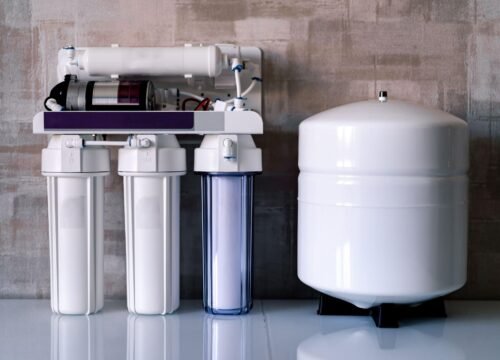
The water used for showering, washing clothes, and cleaning floors doesn’t necessarily need the same treatment as the water you drink and cook with. That’s why some households choose a point-of-use solution for the kitchen.
Drinking water systems can be designed around specific concerns identified through testing. Depending on the situation, this might involve filtration, reverse osmosis, carbon treatment, or another purification method.
There’s also a simple lifestyle benefit. When the water coming from the kitchen tap tastes cleaner and fresher, people often drink more of it. It’s a small change, but over months and years, small changes can become habits.
Whole-House Treatment Has a Different Purpose
Sometimes the concern isn’t limited to the kitchen sink. If sediment, odor, or other water-quality problems are noticeable throughout the home, treating water at a single faucet may feel like putting a bandage on a larger issue.
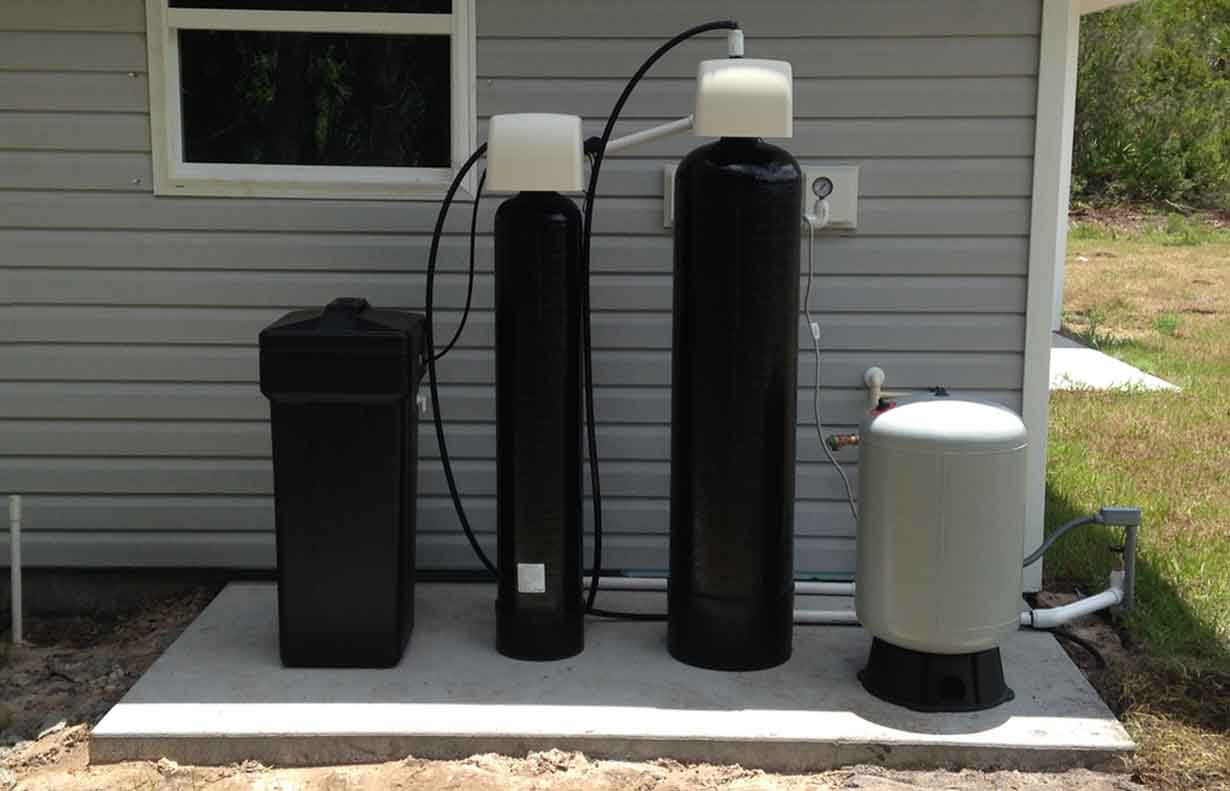
That’s where whole-home water filtration can make sense. These systems treat water as it enters the property or at another central point, allowing filtered water to reach multiple fixtures.
The right configuration depends on the water source and the specific contaminants involved. A household using well water, for example, may have very different requirements from a home receiving municipally supplied water. There’s no universal filter that does everything perfectly.
Don’t Ignore Sediment
Sediment is easy to overlook because it can seem like a minor nuisance. Yet particles entering a home can affect faucets, valves, appliances, and other components of a plumbing system. In some cases, sediment is also the reason a filter becomes clogged much faster than expected.
A sediment pre-filter can sometimes be useful as part of a broader treatment setup. Its role is fairly straightforward: capture larger particles before they reach more specialized equipment.
This is one reason treatment systems often work best as a sequence rather than a single magic box. One stage can protect another, improving performance and potentially extending filter life.
Match the System to Your Water Use
Household size matters, too. A system designed for a couple may not be appropriate for a busy household with several bathrooms and multiple people showering, cooking, and doing laundry at the same time.
Flow rate and peak demand deserve attention. If equipment is undersized, pressure can suffer or the system may struggle during periods of heavy use. Oversizing, meanwhile, can mean paying for capacity you rarely need.
A good installer should look at water consumption, plumbing configuration, available space, maintenance requirements, and future needs before recommending equipment. That conversation is often more valuable than simply comparing price tags.
Maintenance Is Part of the Investment
Even a well-designed treatment system needs attention. Filters eventually become saturated. Softener components need servicing. Reverse osmosis systems have membranes and filters that require replacement at appropriate intervals.
Ignoring maintenance can gradually reduce performance. Worse, homeowners may assume the equipment has stopped working when the real problem is something as simple as an overdue filter change.
Before purchasing anything, ask what routine maintenance involves and how often it is required. Find out whether replacement parts are readily available and whether professional service is offered locally. The cheapest system on installation day isn’t always the least expensive system over five or ten years.
Don’t Let Marketing Do the Diagnosis
Water treatment advertising can make complicated problems sound wonderfully simple. One product promises “pure water,” another claims to handle virtually everything, and a third focuses on dramatic before-and-after results.
Real water chemistry is less tidy.
The smartest approach is to identify the concern first, test when appropriate, and then select equipment that addresses that specific need. A professional evaluation can be especially useful when there are multiple symptoms, such as hardness combined with odor or sediment.
Good treatment isn’t about buying the most advanced technology available. It’s about using the right technology for the job.
A Better Water Strategy Starts With Knowing Your Home
There’s something reassuring about knowing exactly what is happening with the water in your house. Instead of guessing why fixtures keep scaling or why the kitchen water tastes different, you can make decisions based on actual information.
The best treatment setup may be simple. It might involve a softener, a drinking-water filter, a sediment stage, or a combination of systems. What matters is that each part has a clear purpose.
Water treatment is ultimately less about gadgets and more about fit. Understand your water, consider how your household uses it, plan for maintenance, and choose equipment that solves the problem rather than simply adding another piece of plumbing to the basement. That approach may not be flashy, but it tends to make a lot more sense in the long run.