What Florida Homeowners Should Know About Water Treatment in Ocala
Water is one of those things most people don’t think about until something seems off. Maybe the shower leaves a chalky film, the kitchen tap has a strange taste, or laundry comes out looking less fresh than it should. In Ocala, Florida, these concerns aren’t unusual. Local water conditions, household plumbing, and the source of your water can all influence how it looks, tastes, and behaves.
The good news is that improving household water quality doesn’t always require a complicated setup. The first step is understanding what you’re dealing with, then choosing a practical solution that fits your home’s needs.
Understanding Ocala’s Water Quality
Ocala’s water supply may come from municipal sources or private wells, depending on the property. Each source can present different considerations. Public water systems are treated and monitored, but that doesn’t mean every home experiences water in exactly the same way. The condition of household pipes, water heaters, and plumbing fixtures can affect the water that eventually reaches your faucets.
Well water, meanwhile, may contain naturally occurring minerals such as iron, calcium, or magnesium. These minerals aren’t automatically a sign that water is unsafe, but they can create everyday problems, including staining, unpleasant odors, scale buildup, and changes in taste.
This is why assumptions aren’t particularly useful. Clear water isn’t necessarily perfect water, and cloudy or mineral-heavy water isn’t always dangerous. Testing gives homeowners a much more reliable starting point.
Common Water Problems Florida Homes Experience
Hard water is one of the most common concerns homeowners notice. It contains dissolved minerals, particularly calcium and magnesium, that can leave deposits on fixtures and create scale inside appliances. Over time, that buildup may affect water heaters, dishwashers, washing machines, and plumbing components.
Another issue is chlorine taste or odor, which some people notice in treated municipal water. Chlorine is used as a disinfectant, but its presence can still affect how water tastes or smells. Sediment can also become a concern, especially in homes with older plumbing or private wells.
Some households may also need to investigate iron, sulfur odors, or other contaminants through appropriate testing. These problems don’t all require the same treatment. A filter designed for taste improvement, for example, won’t necessarily address hard water or every well-water contaminant.
Why Water Testing Should Come First
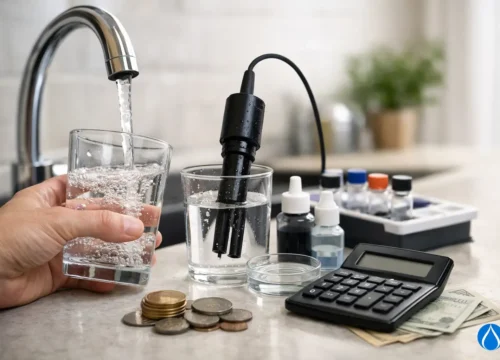
Before investing in equipment, consider arranging a professional water test. Testing can help identify mineral content, pH, sediment, hardness, and other characteristics relevant to your water source. If you’re concerned about a particular contaminant, ask for testing that specifically checks for it rather than relying on a basic screening alone.
A test report can make the decision-making process much easier. Instead of choosing equipment because it looks popular or someone recommended it online, you’ll have information that connects the treatment method to an actual water concern.
For homeowners researching water treatment ocala florida, this local context matters. A system that works well for one property may not be the right choice for another, even if both homes are only a few miles apart.
Choosing the Right Water Treatment Approach
There isn’t one universal system that solves every water problem. The right option depends on the source of your water, the contaminants identified, household size, and what you want to improve.
Water Softeners for Hard Water
Water softeners are commonly used to reduce hardness caused by calcium and magnesium. They work through a process called ion exchange, replacing certain minerals with sodium or potassium ions.
A softener can help reduce scale, improve soap performance, and protect appliances from mineral buildup. However, it isn’t designed to remove every contaminant, and it shouldn’t be treated as a complete purification system.
Whole-Home Filtration
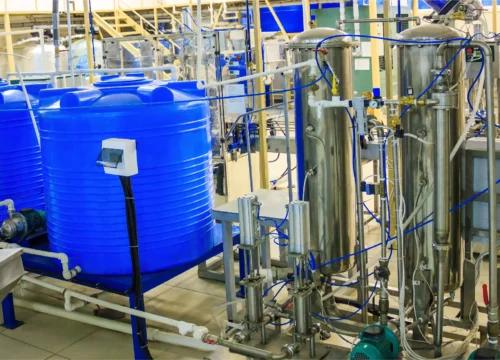
A whole-house filter treats water as it enters the property, allowing multiple faucets and fixtures to receive filtered water. Depending on the filter media, these systems may target sediment, chlorine, odors, or specific contaminants.
The key is matching the filter to the problem. A sediment filter and a carbon filter serve different purposes, and specialized treatment may be needed for more complex water-quality concerns.
Reverse Osmosis for Drinking Water
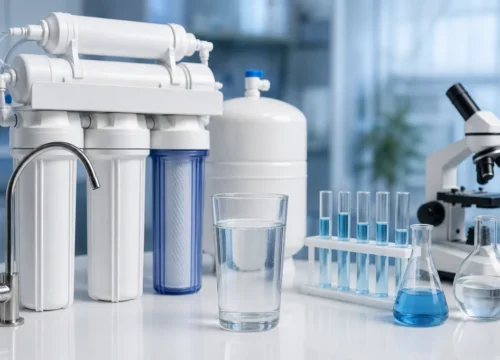
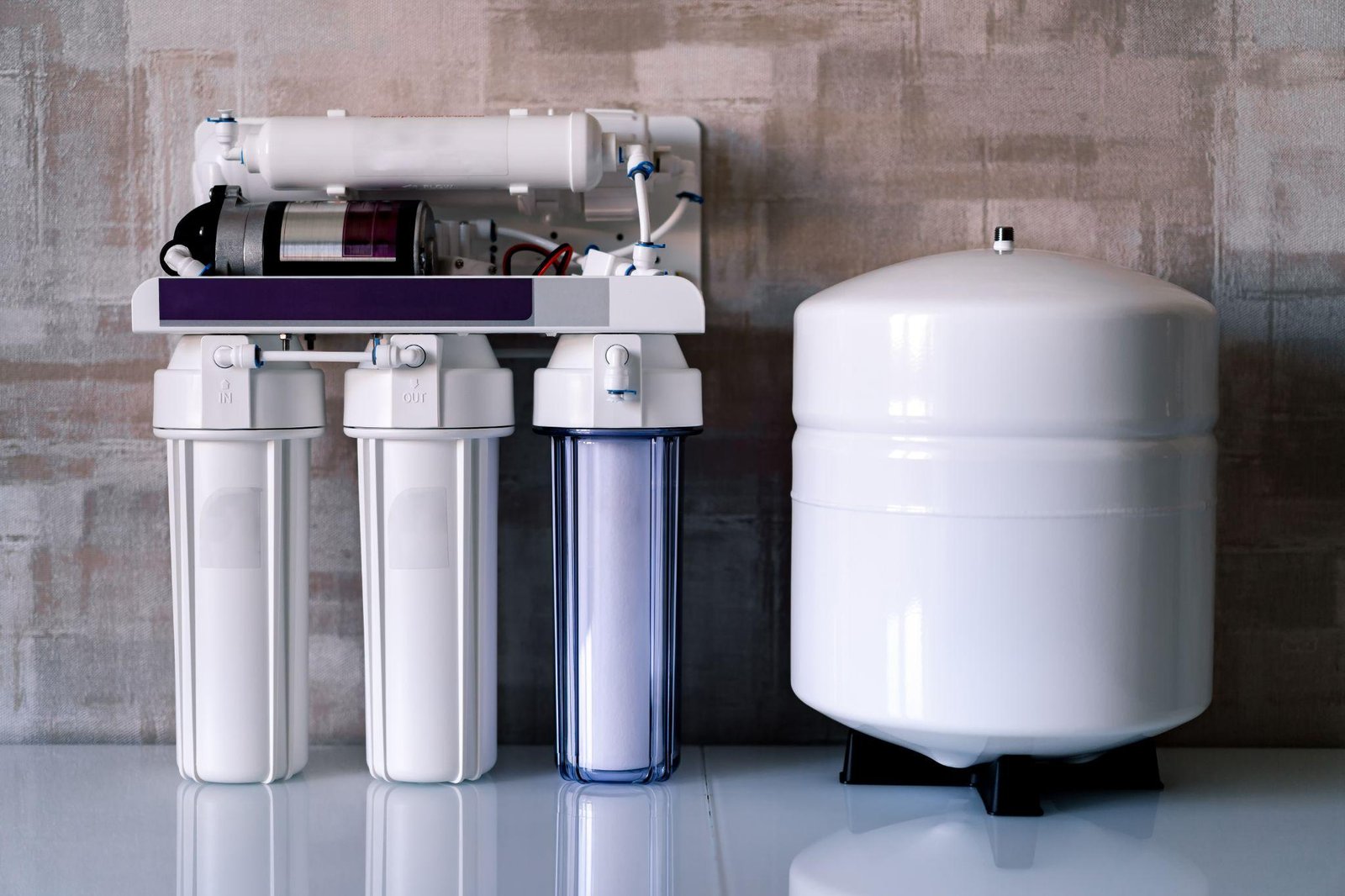
Reverse osmosis, often called RO, is commonly installed at a kitchen sink or another point of use. It uses a semi-permeable membrane to reduce many dissolved substances from drinking water.
RO can be useful when the main concern is drinking-water quality, but it produces wastewater and requires filter and membrane maintenance. It may not be necessary for every household, particularly when the concern is primarily hard water throughout the home.
What Is a Whole-Home Water Filtration System?
A whole-home water filtration system is designed to treat water at a central point before it travels through the home’s plumbing. Unlike a small pitcher filter or an under-sink unit, it can provide treated water to showers, bathroom faucets, laundry areas, and kitchen taps.
The exact performance depends on the system’s design and filter type. Some systems focus on chlorine and taste, while others are built for sediment or specific contaminants. A good installation should account for water pressure, flow rate, filter replacement needs, and the size of the household.
It’s also worth asking how often the filters need to be changed and whether replacement cartridges are readily available. A system that looks affordable initially can become frustrating if maintenance is expensive or difficult to manage.
Looking at Water Solutions as a Long-Term Investment
The phrase water solutions can cover everything from basic filtration to softening, UV treatment, reverse osmosis, and specialized well-water equipment. The important thing is not to buy the most elaborate package simply because it includes more components.
Instead, think about the problems you want to solve. Are you trying to reduce scale? Improve drinking-water taste? Address a sulfur smell? Protect appliances? Each goal may call for a different approach.
A qualified water-treatment professional can evaluate the test results, explain available options, and estimate ongoing maintenance. Ask for clear information about installation costs, replacement filters, warranties, and what the system does not remove. Honest limitations are just as important as advertised benefits.
Maintenance Matters More Than Many People Expect
Even a well-designed treatment system needs attention. Filters must be replaced according to usage and manufacturer recommendations. Water softeners may require salt or potassium replenishment, while RO systems need periodic membrane and cartridge changes.
Neglecting maintenance can reduce performance and, in some cases, create additional water-quality concerns. Keep a simple schedule, pay attention to changes in taste or pressure, and don’t ignore unusual odors or leaks.
If your home uses well water, regular testing is especially important because water conditions can change over time. Heavy rain, nearby land activity, and changes in the well itself may affect quality.
Making a Confident, Practical Choice
Improving water quality in an Ocala home starts with a straightforward idea: understand the water before choosing the equipment. Testing, professional guidance, and realistic expectations can help prevent unnecessary spending and ensure the system serves a genuine purpose.
Whether your concern is hard water, unpleasant taste, sediment, or a more specific contaminant, there are treatment options worth exploring. The best setup is the one that fits your water conditions, household needs, and willingness to maintain it.
Clean, pleasant water should feel like a normal part of daily life—not another problem waiting to be solved. With the right information and a thoughtful approach, homeowners can make improvements that support comfort, convenience, and long-term peace of mind.