Choosing the Right Water Treatment Approach for Everyday Home Water Quality
Water is one of those things most people don’t think about until something seems off. Maybe the shower leaves a chalky film on the glass. Perhaps the kitchen tap has a faint metallic taste, or the water simply doesn’t feel as pleasant as it used to. These small clues can make you wonder whether your home’s water needs more attention.
The good news is that improving household water quality doesn’t always mean making complicated changes. The right solution depends on what’s actually in the water, how much water your household uses, and what you want the treatment system to accomplish. A little testing and planning can go a long way.
Start With the Water, Not the Equipment
It’s tempting to start shopping for equipment as soon as you notice a problem. But water treatment isn’t a one-size-fits-all purchase. A system designed to handle hardness won’t necessarily address sediment, unpleasant odors, or dissolved contaminants.
That’s why testing the water first is such a sensible starting point. A basic analysis can reveal hardness levels, mineral content, pH, and other characteristics that may influence your choice. If you’re using well water, testing becomes even more important because conditions can vary considerably from one property to another.
Once you understand the problem, the equipment conversation becomes much easier. Instead of buying the biggest or most expensive system available, you can focus on what your home actually needs.
Understanding Hard Water at Home
Hard water is common, and while it isn’t usually a reason to panic, it can become a nuisance. Calcium and magnesium can leave scale on faucets, shower doors, appliances, and plumbing fixtures. Soap may also seem less effective, which is one reason people sometimes feel like they’re using more cleaning products than they should.
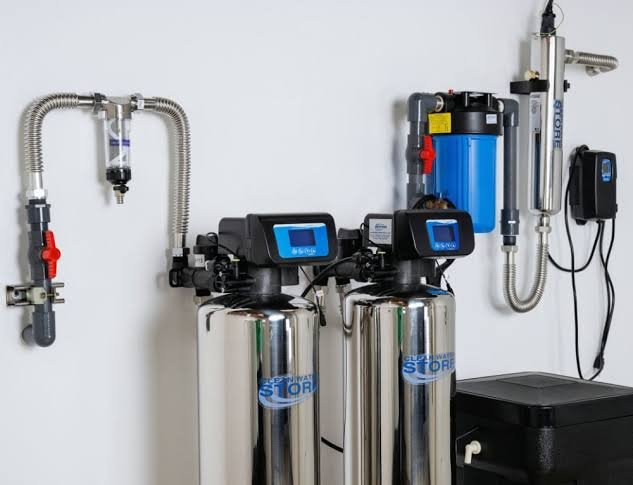
A properly sized water softener system can reduce the minerals responsible for hardness before the water travels through the home’s plumbing. That can make everyday chores a bit easier and help protect appliances that regularly use water.
The key word here is “sized.” A system that’s too small may struggle during periods of high demand, while an oversized unit can be unnecessarily expensive. Household size, water consumption, hardness levels, and regeneration requirements should all be considered before installation.
When Whole-Home Filtration Makes Sense
Softening and filtration aren’t the same thing. This distinction gets overlooked surprisingly often.
A softener is primarily intended to address hardness minerals. Filtration, on the other hand, can be designed to target specific particles, chemicals, tastes, odors, or other unwanted substances. Depending on the water source, a home may benefit from one approach, the other, or a combination.
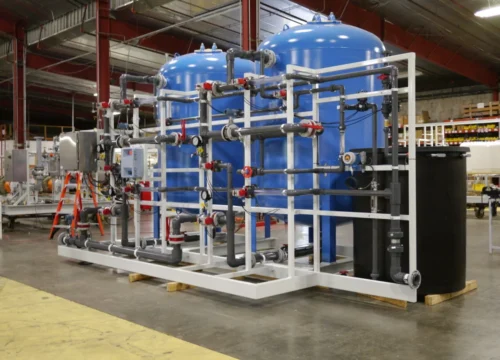
A well-designed whole house filtration setup treats water as it enters the property, rather than focusing only on a single faucet. This can be useful for households that want cleaner-feeling water throughout the home, including showers, bathrooms, laundry areas, and utility spaces.
The exact filter media matters, too. Sediment filtration, carbon filtration, iron removal, and other treatment methods each have different purposes. Choosing based on a water test rather than a generic sales pitch is usually the smarter route.
Don’t Forget the Water You Drink
Water used for bathing and laundry doesn’t necessarily need the same treatment as water you’re drinking. That’s where point-of-use purification can have an important role.
Many homeowners choose dedicated drinking water systems for the kitchen because they want an additional level of treatment for water used in cooking and beverages. Depending on the source and the quality concerns involved, options may include carbon filtration, reverse osmosis, or other specialized technologies.
This can be particularly appealing if the household notices an unusual taste or odor but doesn’t want to install extensive treatment throughout the entire property. On the other hand, if there are broader water-quality concerns, treating water at the point where it enters the home may make more sense.
The right decision comes down to the problem you’re trying to solve.
Think About Maintenance Before Installation
Water treatment equipment isn’t something you install and forget forever. Filters need changing. Some systems require salt. Components may need cleaning or inspection, and performance can decline if routine maintenance is ignored.
This is worth considering before choosing a system. Ask what regular service involves, how often consumables need replacement, and whether parts are readily available. A system that looks affordable initially may become frustrating if maintenance is complicated or expensive.
Good maintenance also protects your investment. It helps equipment perform as intended and can make it easier to notice changes in water quality before they turn into larger problems.
Pay Attention to Water Pressure and Flow
Another practical consideration is flow. Every treatment system creates some degree of resistance as water passes through it. If the system isn’t properly selected, a household may notice reduced pressure, particularly when several fixtures are being used at once.
Imagine someone taking a shower while the dishwasher is running and another family member starts the washing machine. That’s when an undersized system can reveal itself.
Professionals should look at household water demand, pipe size, incoming pressure, and peak usage when designing a treatment setup. It’s a less glamorous part of the conversation, perhaps, but it matters every day.
Better Water Doesn’t Have to Mean Over-Treating
There’s a tendency in the water-treatment world to assume that more equipment automatically means better water. That’s not necessarily true.
If your main issue is hardness, you may not need an elaborate filtration train. If sediment is the problem, adding equipment intended for an unrelated contaminant won’t solve much. And if the concern is limited to drinking water taste, a dedicated kitchen system could be enough.
Effective treatment is about matching the solution to the issue. In other words, don’t treat what isn’t there.
Consider the Long-Term Picture
Water treatment is ultimately a household investment. Beyond improving taste or reducing scale, the right setup can make daily maintenance easier and give homeowners greater confidence in the water they’re using.
But confidence should come from evidence, not guesswork. Start with testing. Understand the results. Think about how your household uses water, then choose equipment that fits those needs.
There may be several good options, and that’s okay. The best system isn’t necessarily the one with the longest feature list. It’s the one that quietly does its job, fits your home, and remains practical to maintain year after year.
Clean, comfortable water doesn’t need to become a complicated project. With a little research and the right treatment strategy, it can simply become one less thing you have to worry about.