Making Water Quality Simpler: Choosing the Right Treatment for Your Home or Business
Water is one of those things most people barely think about until something seems wrong. Maybe there’s a strange taste in the morning coffee. Perhaps the shower leaves stubborn white marks, the sink develops a film, or the water simply doesn’t feel quite right. In a business setting, the concerns can be bigger — equipment may scale up, production processes may be affected, or customers may notice changes in water quality.
The good news is that water problems are often manageable when you understand what’s actually happening. The right treatment isn’t necessarily the most expensive system or the one with the longest list of features. It’s the one designed around the water itself, the property, and the way that water is being used.
Start With the Water, Not the Equipment
It’s tempting to begin by shopping for a filtration system. That approach can backfire.
Different water supplies can contain very different issues. Hard water, sediment, iron, chlorine, unpleasant odors, dissolved minerals, and other contaminants may require completely different treatment methods. A filter that works beautifully in one home might do very little for another.
That’s why water testing should come before making a major equipment decision. A proper analysis gives you a clearer picture of what needs attention rather than relying on guesswork or assumptions.
Once the problem is understood, water treatment solutions can be selected with a specific purpose in mind. Depending on the results, that could mean filtration, softening, reverse osmosis, or a combination of technologies.
Think About How You Actually Use Water
A household doesn’t use water in just one way. Drinking and cooking may require a higher level of purification, while bathing, laundry, and cleaning have different priorities.
For example, a family dealing with hard water might be frustrated by dry-feeling skin, mineral spots on fixtures, and scale building inside appliances. In that situation, softening may be more important than installing a basic drinking-water filter alone.
Another household may have relatively hard-free water but be concerned about taste or specific contaminants. A point-of-use drinking system could make more sense.
Good residential water solutions take these differences seriously. They consider the size of the household, daily water consumption, existing plumbing, available installation space, and the particular concerns identified during testing. There’s no prize for installing more equipment than you actually need.
Commercial Properties Have More at Stake
Water treatment becomes a different conversation when the property is a restaurant, office, hotel, healthcare facility, manufacturing site, or other commercial operation.
Water may be used continuously and at much higher volumes. It can also have a direct connection to business operations. Scale inside boilers or water heaters, for instance, can reduce efficiency and increase maintenance demands. In food service, water quality can affect beverages, cooking, cleaning, and even customer perception.
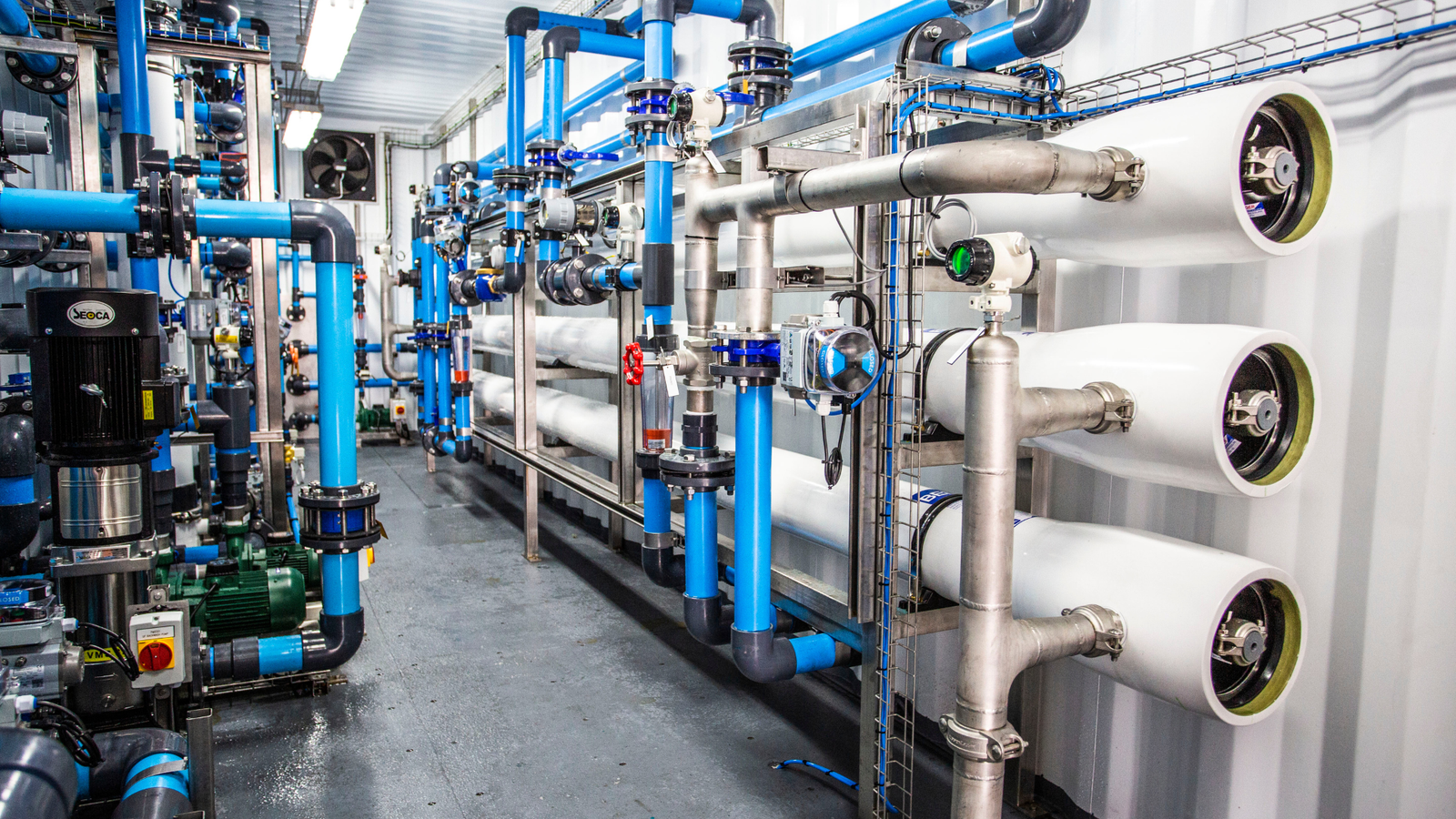
This is where commercial water solutions need to be planned with greater attention to capacity, flow rates, usage patterns, and operating requirements. A system that performs well in a small home may simply not be built to handle a busy commercial environment.
The goal isn’t only cleaner water. It’s dependable performance without creating another headache for the people running the business.
Reverse Osmosis Has a Specific Job
Reverse osmosis, commonly called RO, is often treated as an all-purpose answer to water quality problems. It’s a powerful technology, but it isn’t automatically the best choice for every situation.
RO uses a semipermeable membrane to reduce many dissolved substances from water. It can be particularly useful for drinking water when testing shows that dissolved contaminants or certain mineral levels need to be reduced.
However, using RO for an entire property may not be necessary. In many cases, treating drinking and cooking water at selected points can accomplish the desired result without treating every gallon used for toilets, showers, irrigation, and laundry.
That distinction matters. Effective treatment is usually about matching the technology to the purpose rather than choosing the biggest system available.
Don’t Forget Sediment
Sediment is another issue that can quietly cause trouble.
Sand, silt, rust particles, and other suspended material may enter a water supply and eventually affect plumbing fixtures or treatment equipment. If large amounts of sediment reach sensitive components, filters can clog more quickly and system performance may suffer.
A properly selected sediment filter can act as an important first stage in a larger treatment setup. It removes physical particles before water moves through equipment designed to handle other concerns.
Of course, the filter itself needs attention. A neglected filter eventually becomes part of the problem. Regular replacement or cleaning, depending on the system, helps keep water moving properly and protects downstream equipment.
Maintenance Is Part of the Solution
Installing a treatment system is not the finish line.
Filters have to be changed. Softener settings may need adjustment. RO membranes eventually require replacement. Tanks, valves, and other components can also benefit from periodic inspection.
It’s easy to overlook maintenance when everything seems to be working. Then one day the water pressure drops, the taste changes, or a familiar problem returns. Usually, there was a warning sign earlier.
Keeping simple service records can help. Note filter-change dates, inspections, unusual changes in water quality, and any repairs. For larger properties, scheduled maintenance is even more important because small performance issues can become expensive operational problems if they’re ignored.
Look Beyond the Initial Price
Cost naturally matters, but the cheapest system isn’t always the most economical choice.
Consider the full picture: installation, replacement filters, salt or other consumables, electricity, water usage, servicing, and expected equipment life. A system that costs less upfront but requires frequent attention may eventually cost more than a better-designed option.
There’s also the value of convenience. Reliable water treatment can reduce scale-related cleaning, protect appliances and equipment, and make everyday water more pleasant to use. For a business, avoiding unnecessary downtime can be even more valuable.
A sensible comparison looks at long-term performance, not just the number on the initial quote.
Professional Guidance Can Save Guesswork
Water quality can be surprisingly complicated. Two properties only a few miles apart can have noticeably different treatment needs, especially when their water sources or plumbing systems differ.
That’s why working with a qualified water-treatment professional can be useful. Testing, system sizing, installation, and follow-up service all influence how well a treatment setup performs.
Ask questions. What exactly is the system removing? How often do components need replacement? What maintenance is required? What happens if water pressure changes? A trustworthy provider should be comfortable explaining these details in plain language.
Better Water Starts With Better Decisions
There isn’t one perfect water-treatment system for every home or business. The right answer depends on the water, the property, the people using it, and the results you want to achieve.
Start with testing. Understand the problem. Choose technology for a reason, and don’t ignore maintenance once the equipment is installed.
Most importantly, remember that water treatment should make life easier, not more complicated. When a system is properly matched to the water and maintained over time, the benefits tend to show up in quiet, practical ways — better-tasting water, cleaner fixtures, protected equipment, and fewer surprises.
Sometimes that’s what good technology looks like: something working quietly in the background while you get on with your day.