Why Professional HVAC Services Matter More Than You Think
A comfortable building is something most people notice only when it stops being comfortable. The office feels stuffy, the bedroom won’t cool down, or the refrigerator suddenly starts making strange noises. These little problems can become surprisingly disruptive, especially when they happen at the worst possible time.
That’s where professional heating, air conditioning and refrigeration services become important. HVAC and refrigeration equipment does far more than control temperature. It helps maintain indoor comfort, protects food and products, supports healthier air quality, and keeps homes and businesses running without unnecessary interruptions.
The tricky part is that these systems are often taken for granted. People remember them when something breaks. A better approach is to think about maintenance and professional servicing before a small issue turns into an expensive repair.
Comfort Starts With the Right System
Every building has different requirements. A compact apartment obviously doesn’t need the same equipment as a large restaurant, warehouse, office complex, or retail store. Even two houses of similar size can have completely different cooling and heating needs because of insulation, window placement, occupancy, local weather and building design.
Professional technicians can assess those details before recommending equipment or carrying out major work. It sounds obvious, but choosing a system simply because it has a low price tag isn’t always a bargain. An undersized unit may struggle constantly, while an oversized one can cycle too frequently and waste energy.
The right setup should provide steady comfort without making the utility bill unnecessarily painful.
Why Regular Maintenance Pays Off
Nobody enjoys paying for maintenance when everything seems to be working perfectly. Still, preventive servicing can be one of those expenses that saves money later.
During a routine inspection, a technician may identify worn components, blocked filters, refrigerant-related problems, electrical issues or airflow restrictions. Some of these faults start quietly. The equipment may continue running for weeks before the problem becomes obvious.
Regular maintenance also gives technicians a chance to clean components and check whether the system is operating as it should. For homeowners, this can mean fewer unpleasant surprises during extreme weather. For businesses, it can be even more valuable because equipment downtime may affect employees, customers, inventory and daily revenue.
In other words, waiting for something to fail isn’t really a maintenance strategy.
Heating Deserves Attention Too
In warmer regions, heating systems can sometimes feel like an afterthought. Then winter arrives, temperatures drop, and everyone suddenly remembers how important a working heater is.
Reliable heating isn’t just about turning up the thermostat. A system needs to distribute warmth evenly and operate safely. Older equipment may also consume more energy than necessary, particularly when filters are neglected or mechanical components have started wearing down.
Homeowners should pay attention to unusual smells, strange noises, inconsistent temperatures and repeated cycling. These aren’t necessarily signs of a major failure, but they deserve investigation.
For businesses, dependable heating can influence employee comfort and customer experience. Nobody wants to spend several hours in a freezing shop, restaurant or workplace because a heating system wasn’t inspected in time.
Cooling Is More Than Just Cold Air
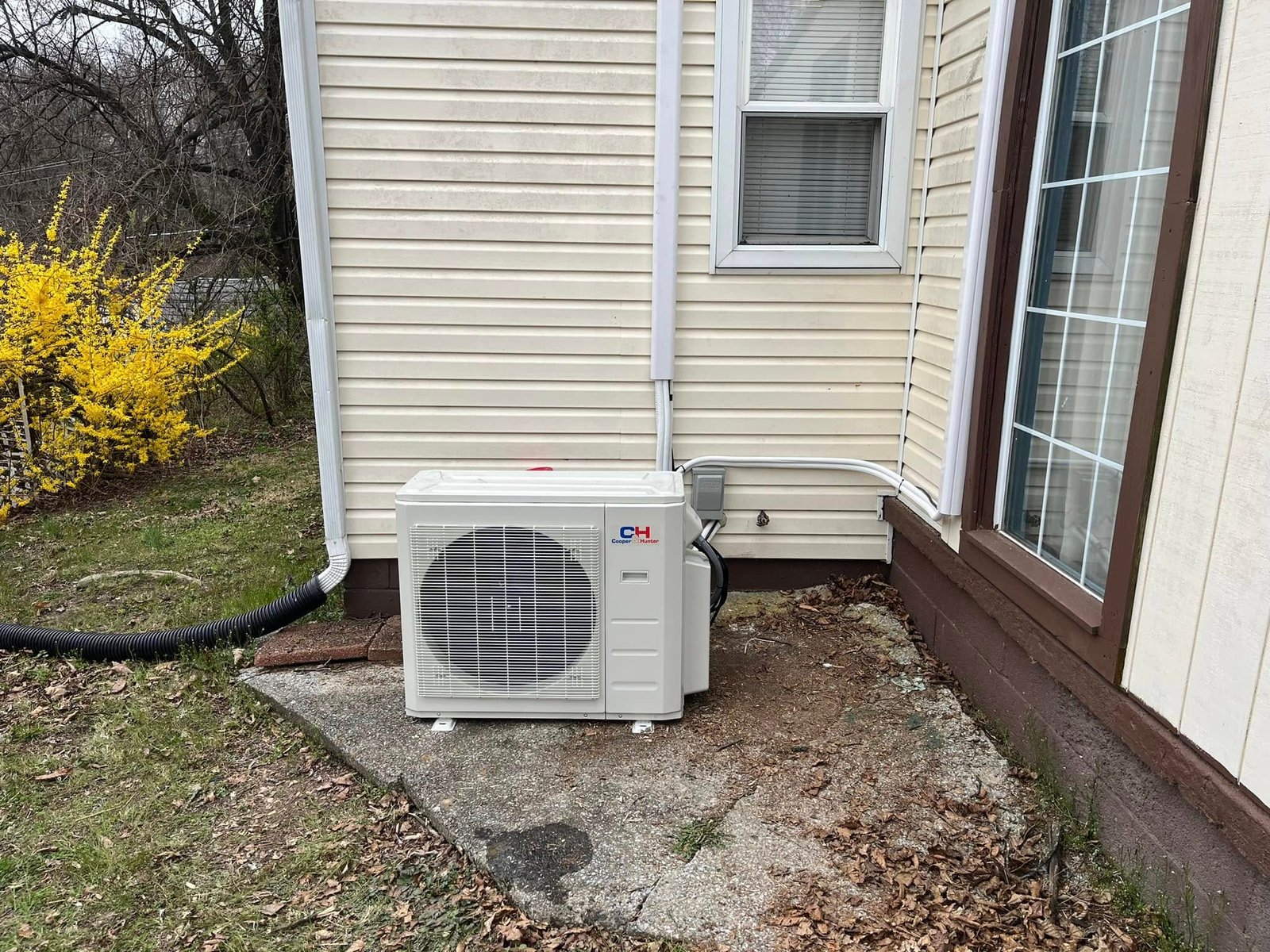
Air conditioning has become essential in many parts of the world, particularly during increasingly hot summers. Yet cooling a building efficiently isn’t simply a matter of installing the biggest possible air conditioner.
Good airflow matters. Insulation matters. Ductwork matters. Thermostat settings matter, too.
If a system runs constantly but certain rooms remain warm, there may be an underlying issue rather than simply a lack of cooling power. Dirty coils, restricted airflow, poor duct design or refrigerant problems can all affect performance.
A professional inspection can help identify the actual cause instead of treating the symptom. That distinction can save both time and money.
Residential and Commercial Needs Aren’t the Same
The phrase residential & commercial covers a surprisingly broad range of requirements. A family home may need a straightforward split air-conditioning system, while a commercial property could rely on multiple rooftop units, refrigeration equipment, ventilation systems and sophisticated controls.
Commercial refrigeration deserves particular attention. Restaurants, grocery stores, cafés, hotels and other businesses may depend on refrigeration every hour of the day. A failed system isn’t merely inconvenient. It can put valuable stock at risk.
That’s why commercial operators often benefit from planned maintenance schedules rather than calling for service only after equipment stops working. A technician who understands the property’s equipment can spot recurring problems and help determine when repair makes sense and when replacement is the smarter long-term choice.
Choosing a Service Provider
Finding a technician isn’t difficult. Finding someone you genuinely trust can be.
Look for a company with experience relevant to your type of property and equipment. Licensing, training, insurance and a clear approach to pricing are worth checking before work begins. It’s also sensible to ask what the service actually includes rather than assuming every maintenance visit is identical.
Good technicians should be willing to explain what they found in plain language. You shouldn’t need an engineering degree to understand why a component needs replacing.
Reviews and recommendations can help, but don’t rely entirely on star ratings. Look for patterns in customer feedback: punctuality, communication, workmanship and how the company handles problems when something doesn’t go according to plan.
Efficiency Matters More Than Ever
Energy efficiency isn’t only an environmental concern. For homeowners and businesses, it has a direct connection to monthly operating costs.
A poorly maintained system often has to work harder to achieve the same result. Over time, that extra effort can show up on energy bills. Upgrading outdated equipment can sometimes reduce operating costs as well, although the financial benefit depends on the existing system, usage patterns and installation requirements.
Smart thermostats, proper insulation, clean filters and regular professional inspections can also contribute to better performance. Sometimes the solution isn’t a brand-new system at all. A relatively simple adjustment or repair may make a noticeable difference.
When Repair Isn’t Enough
Every heating, cooling or refrigeration system eventually reaches the point where repairs become difficult to justify. Frequent breakdowns, rising repair costs, obsolete components and poor efficiency are all reasons to consider replacement.
That doesn’t mean replacing equipment at the first sign of trouble. A good service professional should explain the condition of the system and help you weigh repair costs against expected remaining life.
The goal is not to sell the most expensive option. It’s to find the option that makes sense for the property and the people using it.
Keeping Comfort Simple
At the end of the day, reliable heating, cooling, and refrigeration solutions are really about reducing unnecessary headaches. When equipment works properly, people rarely think about it. Rooms stay comfortable, food stays at the right temperature, businesses keep operating and households can get on with their day.
That reliability doesn’t happen by accident, though. It comes from sensible equipment choices, proper installation, regular maintenance and timely repairs.
A little attention today can prevent a much bigger problem tomorrow. And when temperatures become extreme or refrigeration equipment is carrying valuable stock, that peace of mind is worth quite a lot.