Finding the Right Balance Between Drinking Water Systems, Water Softeners, and Whole House Filtration
Water has a funny way of becoming part of the background until something about it feels wrong. Maybe the coffee tastes a little different. Perhaps the shower leaves white spots on the glass, or the dishes come out looking cloudy even after a full wash cycle. Sometimes the issue is obvious. Other times, it’s simply that your water doesn’t feel as pleasant as it used to.
That’s where choosing the right water treatment approach becomes important. Not every home has the same water concerns, and there isn’t one system that solves every problem. A household dealing with hard water may need a very different setup from one concerned mainly about taste, odor, or specific contaminants.
Understanding how different treatment options work can make the decision much less confusing.
Start by Understanding What’s Actually in Your Water
Before buying equipment, it makes sense to find out what you’re dealing with. Water can contain minerals, sediment, chlorine, metals, microorganisms, or other substances depending on its source and local conditions. Even two homes on the same street can sometimes experience noticeably different water issues.
A water test gives you a clearer starting point. Instead of choosing equipment because a neighbor recommended it or because an online advertisement sounded convincing, you can match treatment to the actual condition of your supply.
This is particularly useful because different technologies are designed for different jobs. A softener isn’t a universal filter, and a drinking-water purifier isn’t intended to treat every faucet in the house.
When You Want Better Water for Drinking and Cooking
For many homeowners, the kitchen is the first place where water quality becomes noticeable. Tap water is used for drinking, making tea and coffee, cooking rice and pasta, washing produce, and filling water bottles. If the water has an unpleasant taste or odor, you notice it quickly.
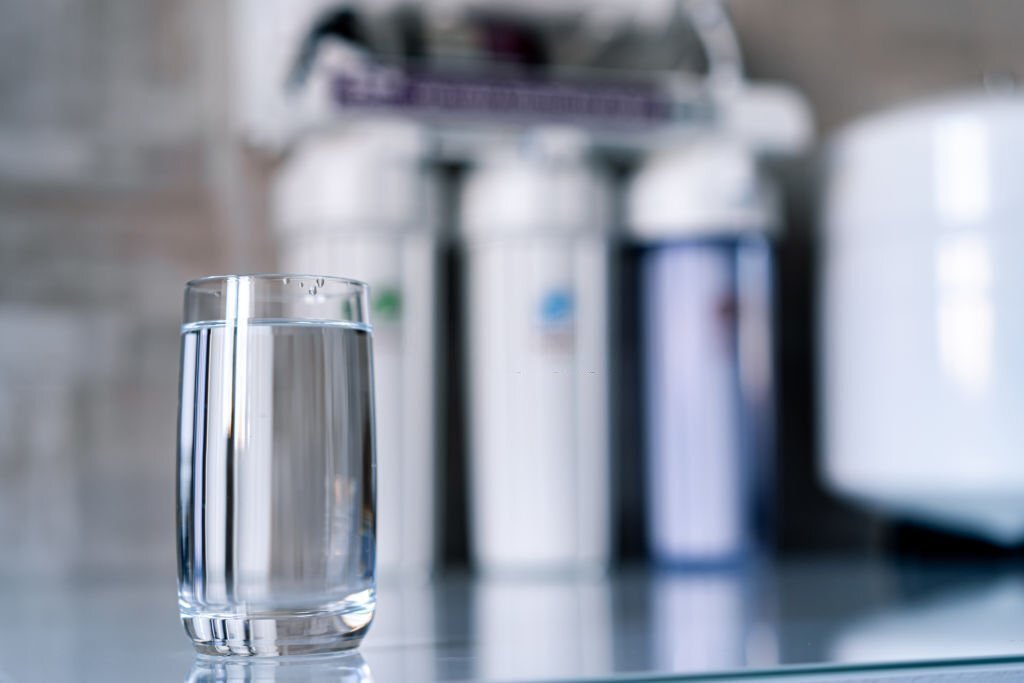
Modern drinking water systems can be designed specifically for this point of use. Depending on the water quality and treatment goals, options may include carbon filtration, reverse osmosis, or other purification technologies.
The important thing is to avoid assuming that the most advanced system is automatically the best one. A treatment system should address a real concern rather than simply add technology for the sake of it. A properly selected setup can make everyday water more enjoyable without creating unnecessary complexity.
Hard Water Is a Different Kind of Problem
Hard water is usually associated with dissolved calcium and magnesium. These minerals aren’t necessarily something homeowners think about when they turn on the tap, but over time they can leave a trail of evidence around the house.
You may see scale around faucets, showerheads, kettles, water heaters, and appliances. Soap can also behave differently, making it harder to get the clean, smooth feeling you expect after a shower or washing your hands.
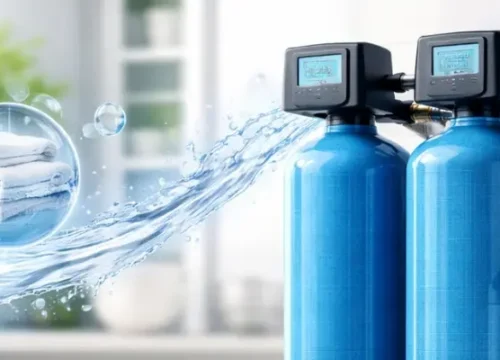
This is where water softeners’ can be useful. A traditional water softener works by exchanging hardness minerals for sodium or potassium ions, helping reduce the effects of hard water throughout the plumbing system.
That whole-home approach is what separates softening from many drinking-water filters. The goal isn’t simply to improve what’s coming out of the kitchen tap. It’s about changing how the water behaves across the home.
Whole-Home Filtration Has a Broader Role
Not every water concern is about hardness. Some households are more bothered by sediment, chlorine taste, odors, or other impurities. In these cases, a filtration system installed at the point where water enters the property may make more sense.
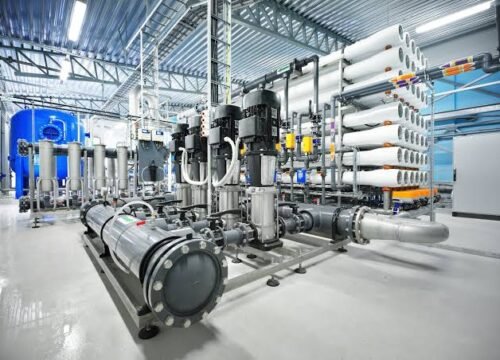
A well-designed whole house filtration setup can treat water before it travels through household plumbing. Depending on the equipment selected, filtration may target sediment, chlorine, certain chemicals, iron, or other specific concerns.
The phrase “whole house” can sound like a simple solution, but the actual filter design matters. A cartridge intended for light sediment isn’t going to perform the same job as a specialized treatment system. Capacity, flow rate, filter life, and the contaminants being targeted all need to be considered.
You May Need More Than One Type of Treatment
This is one of the most important things to understand when comparing water treatment options: different systems can complement each other.
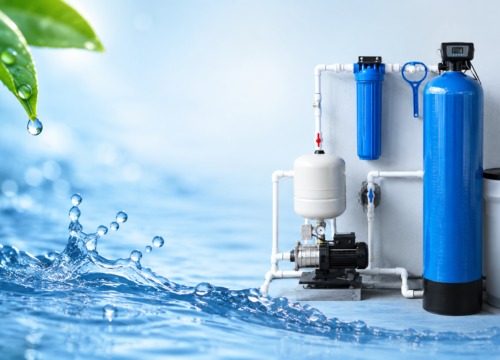
Imagine a home with hard water, noticeable chlorine taste, and a desire for highly purified water for drinking. One piece of equipment may not be the ideal answer. A household could potentially benefit from softening for the plumbing, whole-home filtration for broader water quality concerns, and a dedicated drinking-water system at the kitchen sink.
That might sound like a lot, but the systems can serve different purposes. Good treatment design is less about having the largest setup and more about giving each component a clear job.
Don’t Forget Flow Rate and Maintenance
A water system can look excellent on paper and still be frustrating if it isn’t sized correctly. Every home has different water demands. A small household with moderate usage has different requirements from a large family running multiple showers, appliances, and faucets at once.
Flow rate matters because treatment equipment needs enough capacity to deliver water without creating an unnecessary restriction. Storage tanks, filter sizes, regeneration cycles, and installation conditions can also affect performance.
Maintenance deserves equal attention. Filters need replacing. Softener systems may require salt or other servicing. Some treatment equipment benefits from periodic inspection and sanitation.
In other words, buying the system is only the beginning. A neglected system can eventually become less effective, regardless of how impressive it looked when it was installed.
Consider the Long-Term Cost, Not Just the Price Tag
It’s tempting to compare treatment systems by their initial price alone. That can be misleading.
A cheaper unit might require frequent filter changes or have limited capacity. Another system may cost more initially but provide greater efficiency and longer service intervals. Installation requirements can also influence the final cost.
Ask practical questions before making a decision. How often do filters need replacement? What does routine maintenance involve? Are replacement parts readily available? How much water does the system waste, if applicable? What happens when something needs repair?
These details may seem boring during the buying process, but they become very important six months or two years later.
Professional Advice Can Save You From Guesswork
Water treatment isn’t really a one-size-fits-all purchase. The right solution depends on the source water, household usage, plumbing configuration, treatment goals, and budget.
A qualified water-treatment professional can help interpret test results and explain which technologies actually address the problem. They can also look at installation conditions that aren’t obvious from a product description.
And sometimes the best recommendation is surprisingly simple. You might not need a complicated system at all. That kind of honest assessment is worth a lot.
Better Water Starts With the Right Question
The question shouldn’t simply be, “Which water treatment system should I buy?” A better question is, “What do I want my water to do differently?”
Maybe you want cleaner-tasting drinking water. Maybe you’re tired of scale on the shower door. Maybe you’re concerned about sediment throughout the plumbing. Or perhaps several issues are happening at once.
Once those goals are clear, the equipment choices become much easier to understand. The best water treatment setup isn’t necessarily the biggest, most expensive, or most technologically complicated one. It’s the system—or combination of systems—that fits your home and solves the problems you actually have.
Good water treatment should quietly make everyday life easier. You turn on the tap, fill a glass, take a shower, run the dishwasher—and don’t have to think twice about it. That’s often the real sign that you’ve chosen well.