Better Water at Home: Choosing the Right Treatment for Everyday Needs
Water is one of those things most people only think about when something seems off. Maybe the tap water tastes a little strange. Perhaps soap never seems to rinse properly, white spots keep appearing on the shower glass, or the kettle develops a stubborn layer of scale. None of these problems necessarily mean your water is unsafe, but they can be signs that the water coming into your home could benefit from treatment.
The tricky part is knowing what kind of treatment actually makes sense. There isn’t one magic system that fixes every water-quality issue. Different problems call for different approaches, and the best choice depends on what’s in your water, how much water your household uses, and what you want the system to accomplish.
Start With the Water, Not the Equipment
It’s tempting to start shopping for a water filter as soon as you notice a problem. But that can lead to an expensive system that doesn’t address the real issue.
A water test is a much better starting point. It can reveal things you can’t detect with your senses, including hardness minerals, certain dissolved substances, changes in pH, sediment, and other contaminants. Private wells and changing water sources make testing especially useful, but even homeowners on municipal supplies can benefit from understanding their water quality.
Once you know what you’re dealing with, the equipment becomes easier to choose. You’re not guessing anymore.
When Hard Water Is the Main Complaint
Hard water is common in many areas and is usually caused by naturally occurring calcium and magnesium. It isn’t generally a health concern at typical household levels, but it can certainly be a nuisance.
You may notice dry-feeling skin, dull laundry, mineral buildup around faucets, or reduced efficiency in water-using appliances. Over time, scale can collect inside pipes, water heaters, dishwashers and other equipment.
That’s where water softening can make a noticeable difference. A properly selected softening system reduces hardness minerals before they travel throughout the home. The result isn’t just water that feels different in the shower. It can also mean less scale and easier cleaning, particularly in areas where hard-water deposits have become part of the weekly routine.
Still, softening isn’t the answer to every water problem. A softener is designed primarily for hardness, not for removing every possible contaminant. That distinction matters.
Whole-House Filtration Has a Different Job
If your concern is sediment, taste, odor, chlorine, or another specific water-quality characteristic, filtration may be more appropriate.
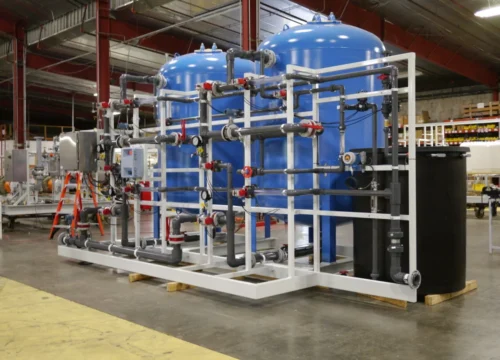
A whole-home water filtration system treats water at the point where it enters the property, allowing treated water to reach multiple fixtures. That can be particularly convenient for families who don’t want to maintain individual filters on kitchen taps, refrigerators and shower systems.
The exact filter media matters, though. A carbon-based system, for example, may be useful for certain taste and odor concerns, while other filtration technologies are designed for different substances. Bigger isn’t automatically better, either. A system should be matched to household flow rates and the actual water-quality problem.
Think of filtration as targeted problem-solving rather than a generic upgrade.
What About Drinking Water?
There’s another situation where homeowners often want more specialized treatment: drinking and cooking water.
Even when the household water is perfectly usable for bathing and cleaning, someone may want additional treatment at the kitchen sink. They might dislike the taste, have concerns about particular dissolved substances, or simply prefer the taste of highly filtered water.
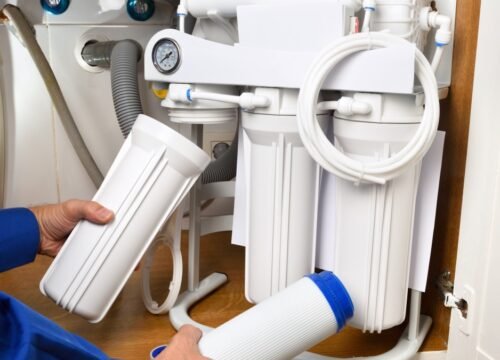
This is where reverse osmosis & tankless ro systems can be worth considering. Reverse osmosis uses a semipermeable membrane to reduce many dissolved substances from water. Traditional systems often include a storage tank, while tankless designs can provide filtered water without the same under-sink storage footprint.
A reverse osmosis system can be highly effective, but it isn’t automatically the right choice for every kitchen. It can produce some reject water during operation, requires filter and membrane maintenance, and may need appropriate pretreatment depending on the incoming water. In other words, performance depends on proper design and installation.
Don’t Ignore Water Pressure and Flow
One detail that sometimes gets overlooked during water-treatment planning is pressure.
A filtration system has to handle the home’s expected flow without creating an unpleasant pressure drop. Imagine turning on the shower while someone starts the washing machine, only to discover that your water pressure suddenly feels weak. That’s not exactly the upgrade anyone had in mind.
System sizing should take household demand into account. The number of bathrooms, occupants, fixtures and typical usage patterns can all influence the appropriate equipment size.
A professional installer can also evaluate plumbing configuration, available space and drainage requirements before recommending a system. Those practical details can make a surprising difference.
Maintenance Is Part of the Deal
Buying a treatment system isn’t the finish line. It’s the beginning of a maintenance routine.
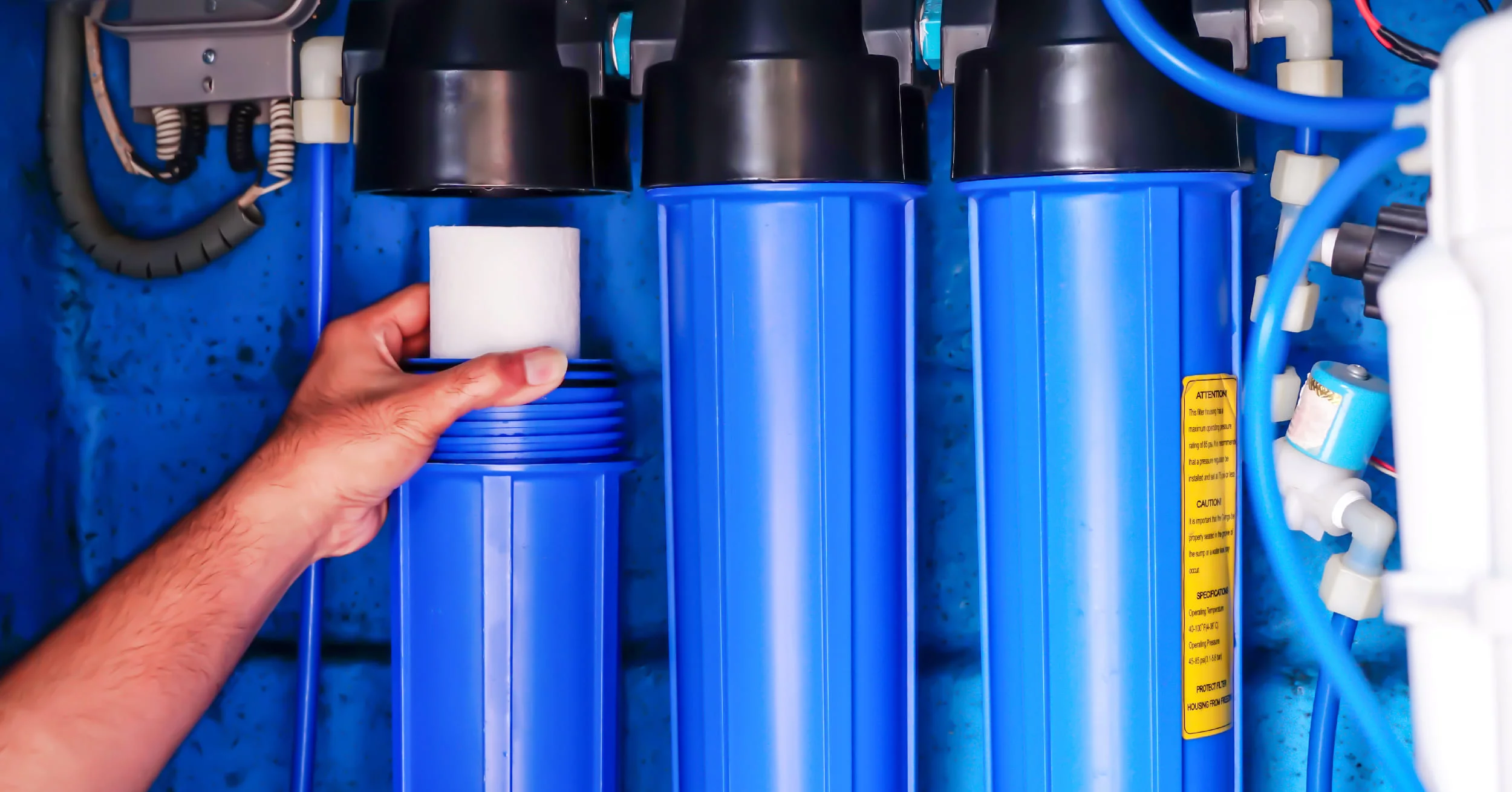
Filters need to be replaced. Softening systems may need salt replenishment and periodic inspection. Reverse osmosis membranes eventually require replacement. Connections should be checked, and systems should be sanitized or serviced when appropriate.
Skipping maintenance can reduce performance and, in some cases, create entirely new water-quality concerns. A neglected filter doesn’t become better simply because it was expensive.
It’s useful to ask about maintenance before buying. Find out which components need replacing, how often they typically require service, and whether replacement parts are readily available.
Avoid Treating Every Water Problem the Same
One of the most common mistakes is buying a system based on a neighbor’s recommendation.
Your neighbor’s water may be completely different from yours. Even homes in the same general area can have different plumbing conditions, sources or water-quality concerns. A system that works beautifully for one household might be unnecessary—or poorly matched—for another.
Instead, identify the actual goal first. Are you trying to reduce hardness? Improve taste? Remove sediment? Treat a particular contaminant? Protect plumbing and appliances? Improve drinking water?
Once the goal is clear, the technology becomes much less confusing.
The Best System Is the One That Fits Your Home
Water treatment doesn’t have to turn into a complicated science project. Start with testing, understand the problem, and then choose technology that directly addresses it.
For some homes, that may mean a softener. Others may benefit from whole-house filtration, while a kitchen-focused reverse osmosis system could make more sense for drinking and cooking. Sometimes a combination is appropriate.
The important thing is not to buy the most complicated setup simply because it sounds impressive. Good water treatment is about balance: effective treatment, sensible sizing, manageable maintenance and a system that fits the way your household actually uses water.
After all, the best water system is rarely the one with the longest list of features. It’s the one you can rely on quietly, day after day, without having to think about it.