Understanding Water Treatment Systems: A Practical Guide to Cleaner, Better Water
Water is something most of us use without thinking twice. We turn on the tap to fill a glass, wash vegetables, make tea, or take a shower. Yet, the quality of that water can affect much more than convenience. It can influence the taste of food, the condition of plumbing, the lifespan of appliances, and even how comfortable water feels on our skin.
That’s why choosing the right water treatment systems has become an important consideration for homeowners, businesses, and property managers. Water treatment isn’t simply about making water look clear. It’s about understanding what may be present in the supply and selecting practical solutions that address those concerns.
Why Water Quality Deserves More Attention
Water quality can vary significantly depending on its source, local infrastructure, and the condition of household plumbing. Municipal water is generally treated before reaching homes, but that doesn’t mean every water-related concern disappears. Groundwater, private wells, and aging pipes can introduce different challenges.
Some households notice a metallic taste, an unpleasant odor, cloudy water, or mineral deposits around faucets. Others may not see obvious signs at all. Certain contaminants, after all, cannot be detected by sight, smell, or taste.
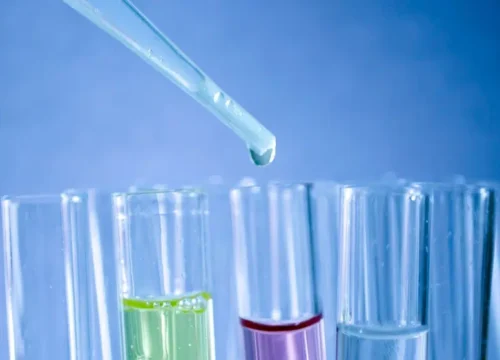
A water quality test is a sensible starting point. Rather than buying equipment based on a general assumption, testing helps identify the specific issues that need attention. It also makes it easier to avoid paying for a system that doesn’t address the actual problem.
Understanding Filtration and Purification
The terms filtration and purification are often used interchangeably, but they don’t always mean the same thing. Filtration typically involves removing particles, sediment, and certain contaminants through a physical barrier or specialized media. Purification is a broader term that may involve processes designed to reduce or eliminate specific microorganisms or dissolved substances.
The right approach depends on the water’s characteristics and how it will be used. For example, a sediment filter may be useful where sand or dirt is a concern, while activated carbon can help reduce chlorine taste and odor. Reverse osmosis is designed to reduce a range of dissolved substances, although it may not be necessary for every household.
Good filtration & purification solutions should be selected according to test results, water usage, and the manufacturer’s specifications. There isn’t one universal system that solves every water quality issue.
Common Types of Water Treatment Equipment
Different systems serve different purposes, and understanding their roles can make the selection process less confusing.
Sediment Filters
Sediment filters are often used as a first stage of treatment. They can capture suspended particles such as sand, silt, and rust. This helps protect downstream equipment and can improve the appearance of water.
However, sediment filters are not designed to remove every dissolved contaminant. Their effectiveness depends on the filter’s rating and the type of material being targeted.
Activated Carbon Filters
Activated carbon filters are widely used in homes because they can improve taste and odor. They may also reduce chlorine and certain organic compounds, depending on the carbon type, contact time, and product design.
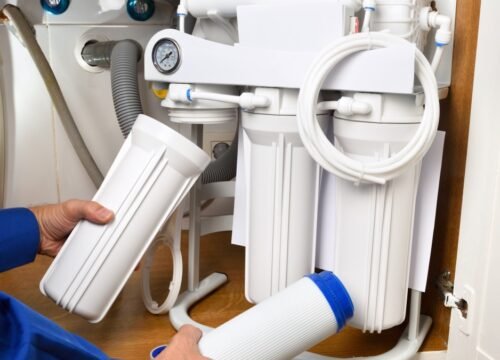
These filters require regular replacement. Once the media becomes exhausted, performance can decline, even if the water still looks perfectly normal.
Reverse Osmosis Systems
Reverse osmosis, commonly called RO, uses a semi-permeable membrane to reduce various dissolved substances. Under-sink RO systems are often installed for drinking and cooking water rather than treating every tap in the house.
RO systems can produce wastewater and may require pre-filters, membrane replacement, and proper maintenance. They can be useful in specific situations, but choosing one should involve understanding both its benefits and limitations.
Ultraviolet Treatment
Ultraviolet systems use UV light to help inactivate certain microorganisms. They are particularly relevant in some private-well applications, where microbial testing and treatment planning are important.
UV treatment does not remove sediment, hardness, or most dissolved chemicals. Water usually needs to be properly filtered before it reaches the UV chamber for the system to work effectively.
The Role of Water Softeners
Hard water is one of the most common concerns homeowners encounter. It contains elevated levels of minerals, primarily calcium and magnesium. While hard water is not automatically unsafe to drink, it can create practical problems around the home.
You may notice white scale on showerheads, spots on glassware, stiff laundry, or reduced soap lather. Over time, mineral buildup can affect water heaters, plumbing fixtures, and appliances.
Water softener systems are designed to reduce hardness, commonly through ion exchange. They replace calcium and magnesium ions with sodium or potassium ions. The result is softer water that may be easier on plumbing and household surfaces.
It’s worth remembering that a water softener is not a complete water purification system. It addresses hardness, not every possible contaminant. If a home has several water quality concerns, a softener may need to work alongside other treatment equipment.
Choosing a System That Fits Your Home
The best water treatment setup is rarely the most complicated one. Start by identifying the water source, testing for relevant concerns, and considering how much water the household uses.
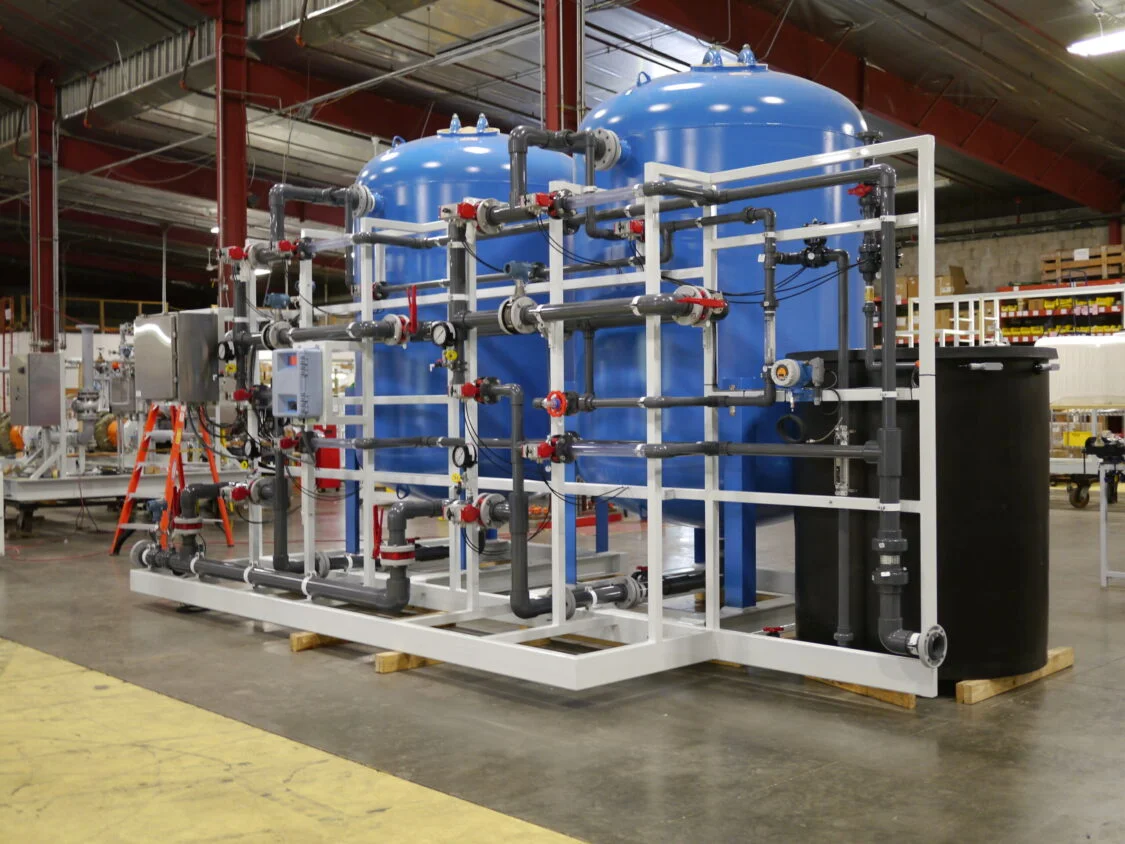
A small apartment may benefit from a point-of-use filter under the kitchen sink. A larger home with hard water throughout the property may need a whole-house softener or filtration arrangement. Private-well owners may require a more detailed assessment because groundwater conditions can differ considerably from one location to another.
Flow rate is another detail people sometimes overlook. A system that works well at a low flow may not perform as expected when several showers, taps, or appliances operate at once. Installation space, maintenance requirements, replacement filter costs, and water pressure should all be considered before making a decision.
Maintenance Is Part of the Solution
Even a high-quality treatment system needs care. Filters must be replaced on schedule, softeners may need salt or potassium chloride replenishment, and UV lamps require periodic replacement according to manufacturer guidance.
Neglecting maintenance can reduce performance and, in some cases, create new problems. A filter that has not been changed for too long may become clogged, while poorly maintained equipment may not deliver the treatment level users expect.
Keep a simple maintenance record. Note installation dates, filter changes, service visits, and any changes in water taste or pressure. It’s a small habit, but it can prevent bigger headaches later.
A Smarter Approach to Better Water
Improving water quality doesn’t have to mean installing every available piece of equipment. In fact, a thoughtful approach usually begins with a test, a clear understanding of the problem, and a system chosen for a specific purpose.
Whether the concern is sediment, chlorine taste, dissolved contaminants, microorganisms, or hard-water scale, the goal is the same: make water more suitable for its intended use while protecting the home’s plumbing and appliances.
With the right information and consistent maintenance, water treatment can become less of a confusing purchase and more of a practical, long-term investment in everyday comfort.