Why Better Water Starts With the Right Filtration Approach
Water is one of those things we tend to notice only when something goes wrong. A strange taste, cloudy glass, dry skin after a shower, or that faint smell you can’t quite identify can turn an ordinary part of the day into a nagging concern. And while municipal water is treated before it reaches homes, that doesn’t necessarily mean every household has the same water quality.
The condition of your water can depend on where you live, the source it comes from, the age of your plumbing, and even what contaminants are present in the local supply. That’s why choosing a filtration solution shouldn’t be a matter of picking the first system that promises “pure” water. A little understanding goes a long way.
Start by Understanding What’s Actually in Your Water
Before buying a filter, it helps to know what you’re trying to remove.
Different water problems call for different treatment methods. Chlorine, sediment, hard-water minerals, iron, sulfur compounds, lead and certain other contaminants don’t respond to the same type of filtration. A basic carbon filter may improve taste and reduce chlorine, for example, but it isn’t automatically designed to handle every contaminant.
This is where water testing becomes useful. A professional analysis can reveal issues that aren’t obvious from taste or appearance alone. Water can look perfectly clear and still contain substances you’d rather not drink or bathe in.
Testing also prevents unnecessary spending. There’s not much point installing an elaborate treatment system for a problem that could have been handled with a simpler solution.
Why Filtration Matters Beyond Drinking Water
When people think about filtered water, they often picture a kitchen tap and a glass of drinking water. Fair enough. But water quality affects much more than what you drink.
Hard water, for instance, can leave mineral deposits on faucets, shower doors and appliances. Over time, those deposits may contribute to scale buildup inside plumbing and water-using equipment. Chlorinated water can also affect taste and odor, while certain water conditions may leave skin feeling dry after a shower.
For families, the goal is often bigger than simply getting better-tasting water. They want water that feels better to use throughout the home.
A cleaner water supply can make everyday routines a little more pleasant, from cooking pasta to washing dishes or filling the coffee maker. It’s not glamorous, but those small improvements add up.
Choosing a Filtration System That Fits Your Home
There isn’t one filtration system that makes sense for everyone. A small apartment with treated municipal water has different needs from a large house supplied by a private well.
Point-of-use systems are designed to treat water at a particular location, such as a kitchen faucet. They can be useful when the primary concern is drinking and cooking water.
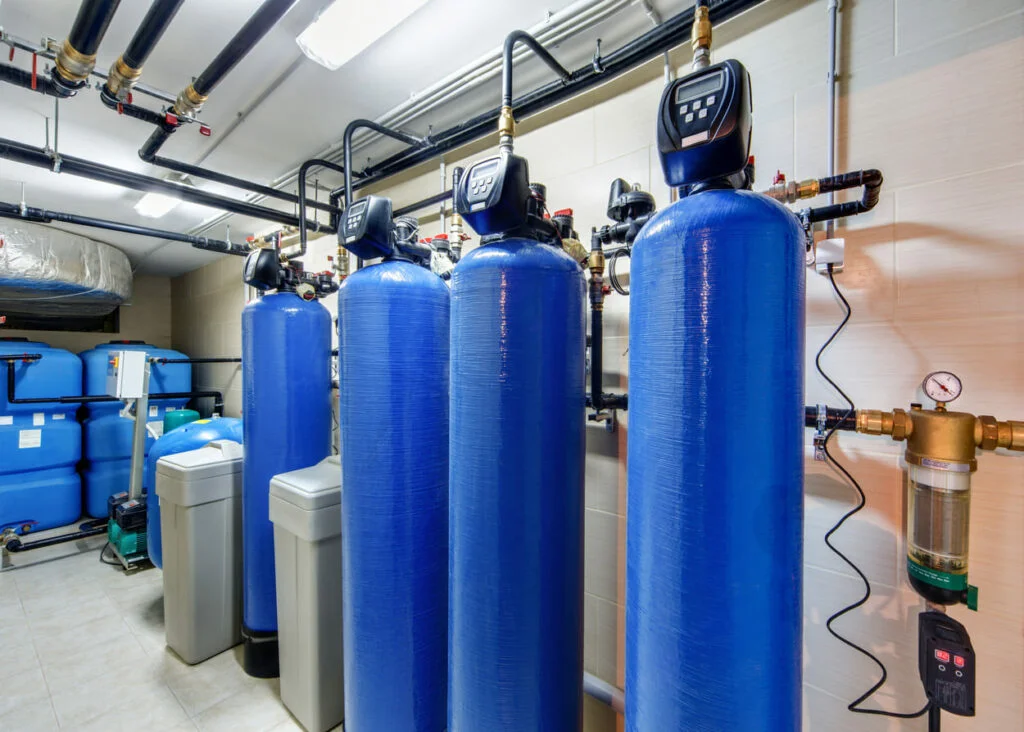
Whole-home systems, on the other hand, treat water as it enters the property. That means filtered water can be available at multiple fixtures, including showers, sinks and laundry connections, depending on the system.
The right choice depends on your water source, household size, existing plumbing, budget and specific concerns. It also matters how much water your household uses every day. A system that works beautifully for two people might struggle to keep up with a busy family.
Custom Solutions Can Solve Specific Water Problems
Off-the-shelf products can be convenient, but they aren’t always the best fit. Water quality is highly local, and two homes a few streets apart can sometimes have noticeably different issues.
That’s one reason custom filtration systems are worth considering when standard filters don’t quite solve the problem. A customized setup can combine different treatment stages based on the results of water testing.
For example, a system might use sediment filtration to capture particles, activated carbon to improve taste and reduce chlorine, and another treatment technology for a specific contaminant. The exact combination depends on what is actually present.
Customization doesn’t necessarily mean making things complicated. In many cases, it means avoiding components you don’t need while focusing on the ones that matter.
Don’t Ignore Maintenance
Even a high-quality filtration system needs attention. Filters collect the substances they’re designed to reduce, and eventually they need to be replaced or serviced.
Skipping maintenance can reduce performance and, depending on the equipment, may create other problems. A filter that’s well past its recommended replacement interval isn’t doing anyone much good.
It’s worth keeping a simple record of filter changes and service dates. Some modern systems include indicators or monitoring features, but a reminder on your phone works too. The important thing is not letting maintenance become an “I’ll do it next weekend” job that somehow lasts six months.
Homeowners should also pay attention to changes in taste, pressure, odor or water appearance. These aren’t always signs of a filtration problem, but they’re worth investigating.
Look Beyond the Marketing Claims
Water treatment can be a confusing market. Labels often use phrases such as “advanced,” “premium,” “pure,” or “multi-stage,” but those words don’t tell you much by themselves.
Instead, look for clear information about what a system is designed to reduce and under what conditions it has been tested. Certifications and performance data can be more useful than a long list of impressive-sounding features.
It’s also smart to consider installation and ongoing costs. The initial purchase price is only part of the equation. Replacement filters, electricity, servicing and eventual equipment upgrades can all affect the long-term cost.
A reliable provider should be willing to explain these details without making the conversation feel like a sales pitch.
Reliable Water Is About More Than Convenience
Having reliable water at home is easy to take for granted. We turn on a faucet and expect the water to be there, clean and usable. When quality becomes questionable, though, that confidence disappears quickly.
A thoughtfully selected filtration system can help address specific water concerns while giving homeowners greater control over what comes into their home. But filtration isn’t a magic wand. It works best when paired with proper testing, appropriate equipment and regular maintenance.
And that’s really the point: better water treatment starts with understanding the problem rather than guessing at the solution.
Making a Smarter Choice for Your Home
If you’re considering water filtration, start small and practical. Find out where your water comes from. Have it tested when appropriate. Identify the contaminants or quality issues that actually matter. Then compare treatment options based on performance, maintenance and long-term value.
You don’t need the most expensive system on the market. You need one that matches your home’s needs.
Good water treatment is rarely about chasing perfection. It’s about making a sensible improvement that works day after day, without creating another headache for the homeowner. When the system is properly selected and maintained, you may barely think about it—and honestly, that’s often a sign that you made the right choice.