Why Better Water Treatment Matters for a Healthier, More Comfortable Home
Water is one of those things most homeowners barely think about until something goes wrong. A strange taste in the morning coffee, white spots on the shower door, dry skin after a bath, or a faucet that seems to lose pressure can all be signs that the water entering your home deserves a closer look.
While municipal water is treated before it reaches your property, that doesn’t necessarily mean it meets every household’s needs. Water quality can vary by location, plumbing infrastructure, and the natural minerals found in the local supply. The right treatment approach can make everyday water more pleasant to use while also helping protect appliances, fixtures, and plumbing over time.
Understanding What May Be in Your Water
Water can contain naturally occurring minerals, sediment, chlorine, and other substances picked up during treatment or distribution. In some areas, hard water is a common concern because it contains elevated levels of calcium and magnesium. These minerals aren’t usually considered a direct health threat, but they can create frustrating household problems.
Hard water often leaves behind scale on showerheads, taps, and sinks. It can also make soap less effective, meaning people may use more detergent or cleaning products than they otherwise would. Over time, mineral buildup may affect water-using appliances such as water heaters, dishwashers, and washing machines.
Other concerns, including unpleasant odors, sediment, or specific contaminants, require different solutions. That’s why guessing based only on taste or appearance isn’t always enough. A water test can provide a clearer picture of what’s actually happening.
Choosing the Right Treatment for Your Household
Not every home needs the same equipment. A household dealing mainly with hard water may have different priorities from one concerned about drinking-water taste or sediment. Understanding the problem first makes it easier to avoid spending money on a system that doesn’t address the real issue.
Professional water treatment services can help homeowners evaluate their water quality, identify possible concerns, and select equipment suited to their supply. Depending on the results, a recommendation might involve filtration, softening, purification, or a combination of approaches.
A useful consultation should explain what the equipment is designed to remove or reduce, what maintenance it requires, and what it cannot do. Clear information matters here. Water treatment isn’t a one-size-fits-all purchase, and a trustworthy provider should be willing to explain the reasoning behind a recommendation.
How Water Softeners Help With Hard Water
For homes affected by mineral-heavy water, softening can make a noticeable difference in daily routines. Traditional water softener systems commonly use an ion-exchange process to reduce calcium and magnesium levels. As a result, homeowners may see less scale on fixtures, softer-feeling laundry, and improved soap performance.
The benefits can extend beyond convenience. Reduced scale buildup may help water heaters and other appliances operate more efficiently, depending on their condition and usage. It can also reduce the frequency of scrubbing mineral deposits from sinks, tubs, and glass shower panels.
Still, a softener isn’t designed to solve every water-quality concern. It primarily addresses hardness rather than acting as a universal filter. Homeowners should also consider system size, salt usage, regeneration settings, installation requirements, and ongoing maintenance before choosing a model.
Why Whole-Home Filtration Deserves Consideration
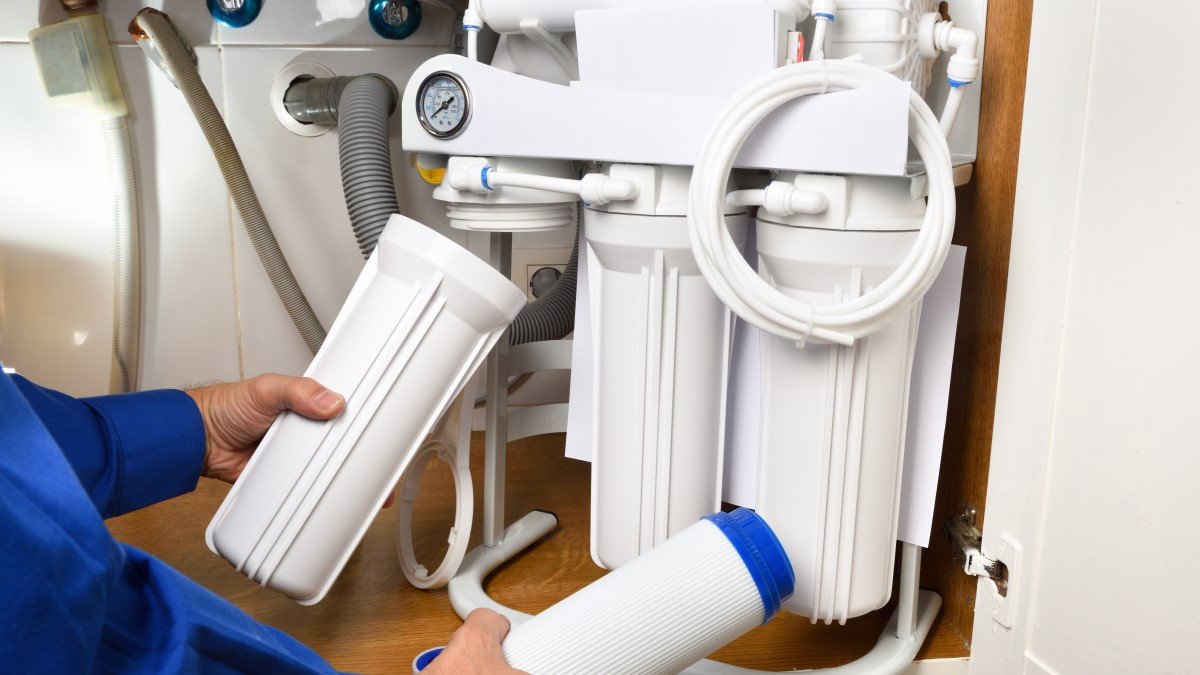
A point-of-use filter can be useful for improving water at a single tap, but it doesn’t treat water throughout the property. For households that want broader coverage, whole-home water filtration can be installed at the main water entry point, allowing treated water to flow through multiple fixtures.
Depending on the filter technology, these systems may help reduce sediment, chlorine, odors, and certain other impurities. The exact results depend on the filter media and the contaminants it has been tested to address. Activated carbon, sediment filters, and specialized treatment technologies each serve different purposes.
Whole-home filtration can be particularly appealing for families who use water for bathing, cooking, laundry, and cleaning—not just drinking. However, filter replacement schedules matter. A system that is neglected may perform poorly, so homeowners should understand how often cartridges or media need attention.
Maintenance Is Part of the Solution
Installing treatment equipment is only the beginning. Like an air conditioner or water heater, these systems need routine care to keep working properly. Filters may need replacement, softeners may require salt or system checks, and certain units may need professional servicing.
Skipping maintenance can reduce performance and, in some cases, create avoidable problems. Homeowners should keep track of replacement dates and pay attention to changes in water taste, pressure, odor, or visible buildup. If something seems different after installation, it’s worth contacting the service provider rather than ignoring it.
It’s also wise to ask about warranty coverage, service availability, replacement-part costs, and expected operating expenses before committing. The initial purchase price is only one part of the long-term cost.
Making a Practical, Informed Decision
The best water treatment setup is the one that matches the actual conditions in your home. Start with a water-quality assessment, identify the main concerns, and compare solutions based on performance, maintenance, installation, and budget.
Avoid choosing equipment solely because it promises to solve every possible water problem. Instead, look for clear specifications and realistic explanations. A reputable professional should be able to tell you what a system does, what it doesn’t do, and how its performance will be measured.
In the end, better water quality isn’t just about having cleaner-looking taps or fewer spots on the glass. It’s about making everyday routines more comfortable, protecting household investments, and feeling confident about the water your family uses. With the right information and a treatment plan suited to your needs, improving your home’s water can be a practical upgrade that pays off for years to come.