A Smarter Approach to Home Comfort: Water, Plumbing, and HVAC Essentials
A comfortable home is easy to take for granted. You turn on the tap, the shower runs, the rooms stay at a pleasant temperature, and nobody thinks twice about what’s happening behind the walls. Until something stops working, of course. Then suddenly, a strange smell from the water or an unreliable air conditioner becomes the only thing you can think about.
The truth is that many of the systems that keep a home running quietly need a little attention from time to time. Water quality, plumbing, heating and cooling are all connected to everyday comfort, health, efficiency, and even the long-term condition of the property. Taking care of these areas before a small issue becomes a major repair can save plenty of frustration.
Start With the Water You Use Every Day
Water touches almost everything in a household. We drink it, cook with it, bathe in it, wash clothes with it and use it to clean our homes. That makes water quality worth paying attention to, even when the water looks perfectly clear.
Homeowners may notice signs that something needs attention without immediately knowing what they mean. A metallic taste, unpleasant odor, cloudy appearance, mineral buildup around faucets, or stubborn spots on shower glass can all point toward water-quality concerns. Hard water, sediment, chlorine, iron and other naturally occurring substances can affect both the water itself and the equipment that uses it.
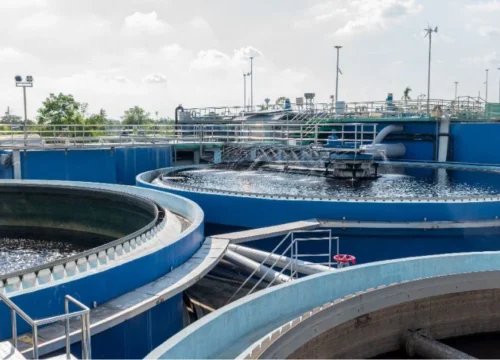
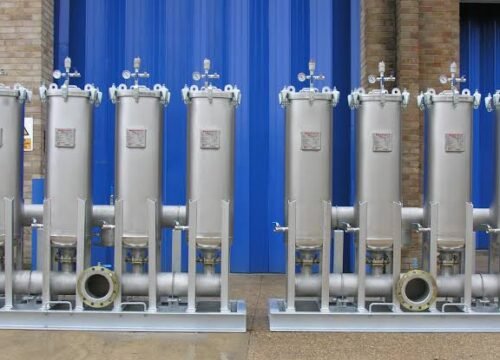
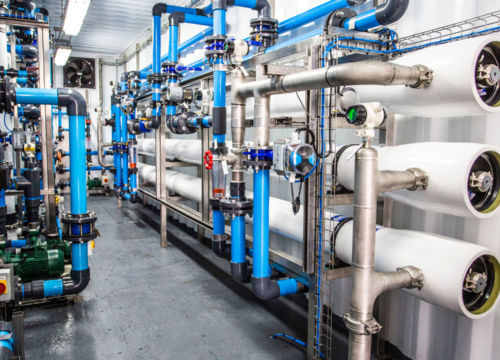
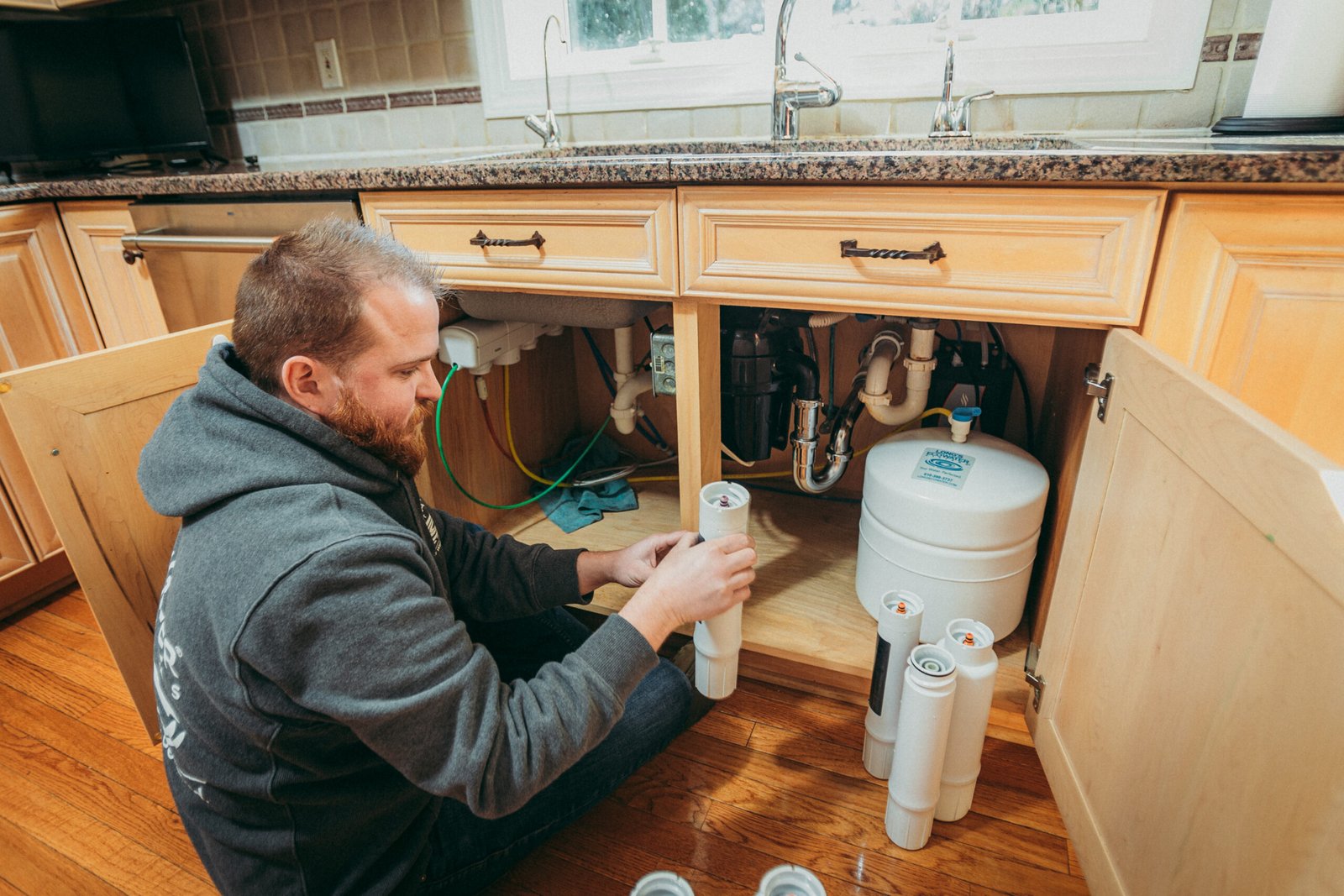
A properly selected water filtration system can help address specific concerns based on what is actually present in the water. That last part matters. There isn’t one filter that magically solves every water problem. Testing the water first makes it easier to choose a solution that fits the household rather than buying equipment based on guesswork.
Plumbing Problems Rarely Improve by Themselves
There’s a certain temptation to ignore a dripping faucet or a slow drain because, well, it still works. Maybe the leak is only a few drops. Maybe the sink drains eventually. Unfortunately, small plumbing problems can become expensive when they’re left alone for too long.
A leaking pipe inside a wall, for example, may cause moisture damage long before anyone notices a stain. A partially blocked drain can eventually become a complete blockage. Even a toilet that runs continuously can waste a surprising amount of water over time.
Professional plumbing services can cover everything from routine repairs and fixture replacements to leak detection, drain cleaning and larger installation work. Good plumbing isn’t simply about fixing something after it breaks. It’s also about understanding why the problem happened and whether another issue is waiting nearby.
That’s especially important in older homes. Pipes, valves, connections and fixtures don’t last forever. An experienced professional can often spot warning signs that a homeowner would understandably miss.
Heating and Cooling Deserve More Attention Than They Get
People tend to notice HVAC equipment only when the house is too hot, too cold, or the system starts making an alarming noise. By then, the problem may already be significant.
Heating and cooling equipment works hard throughout the year, particularly in climates where temperatures can swing dramatically. Filters collect dust, components wear down, electrical connections can loosen, and airflow can become restricted. A system that isn’t operating efficiently may also consume more energy while providing less comfort.
Regular hvac services can include inspections, maintenance, repairs, system cleaning and replacement planning. Routine maintenance doesn’t guarantee that an air conditioner or furnace will never fail, but it can reduce avoidable problems and help equipment perform more efficiently.
There’s another benefit that gets overlooked: comfort becomes more consistent. Instead of one room feeling freezing while another feels stuffy, a properly maintained system can distribute conditioned air more effectively.
Think About the Systems as a Whole
One of the easiest mistakes homeowners make is treating each household system as completely separate. In reality, they all contribute to the same living environment.
For instance, poor water quality can shorten the life of water-using appliances. Plumbing leaks can contribute to moisture problems. Excess humidity can affect indoor comfort and potentially encourage mold growth. Poor airflow can make a heating or cooling system work harder than necessary.
This doesn’t mean every problem is connected to every other problem. It simply means that home maintenance works best when you look at the bigger picture.
When a technician visits the property, it can be useful to mention unusual sounds, odors, changes in water pressure, temperature inconsistencies or recent increases in utility bills. Those details may help identify patterns that aren’t obvious from a quick inspection.
Efficiency Is About More Than Saving Money
Energy and water efficiency are important, but efficiency shouldn’t be reduced to a lower monthly bill. Efficient systems can also provide more reliable performance and reduce unnecessary wear.
A plumbing fixture that wastes water every day adds up. An aging HVAC system that cycles constantly may struggle to keep temperatures comfortable. A poorly chosen filtration setup can waste money on unnecessary equipment or replacement filters.
The smartest approach is usually to solve the actual problem first. Sometimes a simple repair is enough. Other times, replacement makes more financial sense because an old system is becoming increasingly expensive to maintain.
Homeowners shouldn’t feel pressured into replacing equipment simply because it isn’t brand new. At the same time, repeatedly repairing a system that is approaching the end of its useful life isn’t always the economical choice either. Looking at age, condition, efficiency, repair history and expected future costs gives a much clearer picture.
Choosing the Right Professional Matters
Not every service provider approaches a job in the same way. When hiring someone for work involving water, plumbing or HVAC equipment, look beyond the cheapest quote.
Ask whether the company is properly licensed where required, whether technicians have relevant experience, and whether the provider clearly explains the proposed work. A trustworthy professional should be willing to explain what has gone wrong, what needs to be done and what options are available.
Clear communication is a surprisingly good sign. If a technician can’t explain a recommendation in ordinary language, don’t be afraid to ask questions. You deserve to understand what you’re paying for.
It also helps to think about service after the initial job. Installation is only part of ownership. Filters need changing, equipment needs maintenance, and unexpected repairs sometimes happen. A company that remains available after the invoice is paid can be worth considerably more than one that simply completes the job and disappears.
A Little Maintenance Goes a Long Way
You don’t need to become an expert in every system underneath your home. A few simple habits can make a meaningful difference.
Keep an eye on water pressure. Check exposed pipes occasionally for moisture. Pay attention to unusual smells and sounds. Replace HVAC filters according to the manufacturer’s recommendations. Don’t ignore small leaks or sudden changes in temperature. If something seems different from normal, investigate it before it becomes urgent.
It’s also worth keeping basic records of repairs and maintenance. Knowing when a water heater was serviced, when an HVAC unit was inspected, or when plumbing work was completed makes future decisions much easier.
A well-maintained home isn’t necessarily one where nothing ever goes wrong. That’s unrealistic. It’s a home where problems are noticed early, repairs are handled thoughtfully, and major systems are treated as investments rather than afterthoughts.
In the end, comfort comes from dozens of small things working together. Clean, dependable water. Sound plumbing. Reliable heating and cooling. None of these systems are particularly glamorous, but when they work properly, they make daily life feel effortless. And honestly, that’s what good home maintenance should do — keep the important things running quietly in the background, so you can get on with your life.