Smarter Water Management: Practical Treatment Solutions for Everyday Needs
Water plays a quiet but essential role in almost everything we do. We drink it, cook with it, clean with it, and rely on it to keep homes, workplaces, and industries running smoothly. Yet, water quality and distribution problems often go unnoticed until they begin affecting daily routines. A strange taste, mineral buildup, low water pressure, or an inefficient system can quickly become more than a minor inconvenience.
As people become more aware of water quality and resource conservation, the demand for dependable water movement and treatment solutions continues to grow. These solutions are not limited to filtering drinking water. They can also involve transporting, storing, treating, and managing water in ways that support safety, efficiency, and long-term reliability.
Understanding the Importance of Water Quality
Water quality depends on several factors, including its source, local infrastructure, environmental conditions, and the condition of a property’s plumbing. Even when water is generally safe for its intended use, it may still contain minerals, sediment, or substances that affect its taste, appearance, or performance.
Hard water is a common example. It contains minerals such as calcium and magnesium, which can leave white deposits on faucets, showerheads, and appliances. Over time, these deposits may reduce efficiency and increase maintenance needs. Other water concerns can include chlorine taste, unpleasant odors, discoloration, or sediment.
The first step toward addressing these issues is understanding what is actually present in the water. A solution based on testing is usually more effective than choosing equipment simply because it is popular or heavily advertised.
How Water Treatment Systems Work
Water treatment includes a range of methods designed to improve water quality for specific uses. The appropriate method depends on the type of concern and the amount of water that needs to be treated.
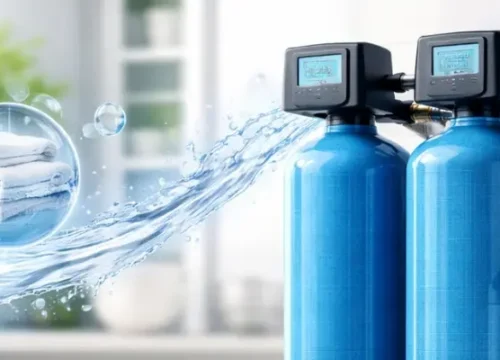
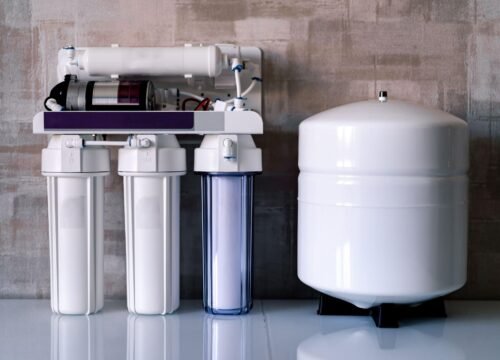
Filtration systems can reduce particles and sediment, while certain filters are designed to improve taste and odor. Water softeners primarily address hardness minerals, helping reduce scale formation in plumbing and appliances. Reverse osmosis systems use a specialized membrane to reduce various dissolved substances, often for drinking and cooking water.
Some properties may also require additional treatment methods based on their water source or local conditions. The key is to match the technology to the problem. A system that works well for sediment may not address dissolved contaminants, and a softener is not designed to solve every water-quality concern.
Residential Water Needs Are Different
For homes, water treatment is often about balancing comfort, convenience, and protection. Families may want better-tasting drinking water, softer water for bathing, fewer mineral deposits, or improved performance from washing machines and water heaters.
A whole-home filtration system may be suitable when the goal is to treat water throughout the property. On the other hand, an under-sink filtration or reverse osmosis system may make more sense when the primary concern is drinking and cooking water.
Households should also consider water usage, available installation space, maintenance requirements, and the condition of existing plumbing. A system that fits one home perfectly may not be the right choice for another. Understanding these differences helps avoid unnecessary spending and ensures the equipment serves a genuine purpose.
Commercial and Industrial Applications
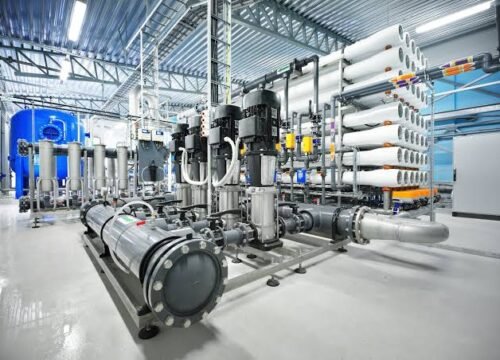
The needs of businesses can be more complex because water may be used for cleaning, food preparation, manufacturing, cooling, sanitation, or customer service. A restaurant, hotel, office, healthcare facility, and industrial plant may all require different treatment strategies.
For example, a restaurant may focus on water quality for cooking, beverages, dishwashing, and equipment protection. A manufacturing facility may need precise water characteristics for production processes. In these settings, water treatment is not just about taste or appearance; it can influence operational consistency, equipment life, and compliance with applicable standards.
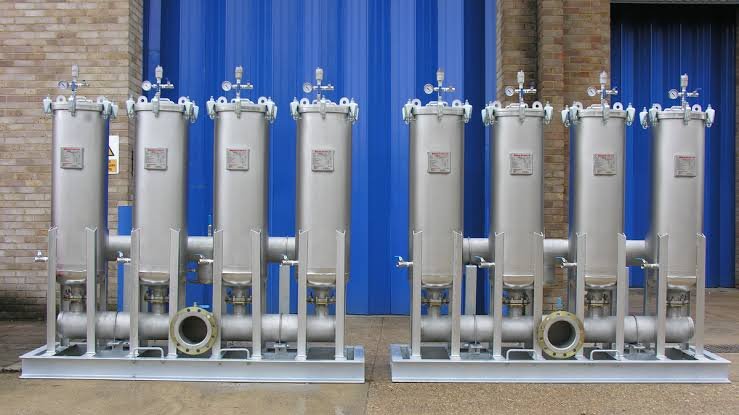
Commercial systems also need to account for flow rates and peak demand. A treatment unit that performs well in a small household may not be able to handle a busy workplace or industrial operation. Professional assessment is especially valuable when water demand is high or the treatment requirements are specialized.
Why Water Testing Should Come First
Water testing provides useful information before a treatment system is selected. Depending on the situation, testing may examine hardness, pH, chlorine, iron, total dissolved solids, sediment, or other characteristics.
This information helps property owners identify the actual cause of a problem. For instance, cloudy water may be related to sediment, while scale around fixtures may suggest hard water. A noticeable taste or odor could have several possible causes, and testing can help narrow them down.
Testing is also useful after installation. Periodic checks can show whether a system continues to perform properly or whether filters, settings, or components need attention. Without testing, it can be difficult to know whether a treatment system is delivering the expected results.
Maintenance Keeps Systems Working
Even a well-designed water treatment system needs regular care. Filters must be replaced according to their usage and manufacturer recommendations. Water softeners may require salt replenishment and periodic checks, while other systems may need cleaning, sanitization, or professional servicing.
Neglecting maintenance can reduce performance and, in some cases, create additional water-quality concerns. A clogged filter, for example, may restrict water flow and place unnecessary strain on the system. Regular maintenance helps preserve efficiency and extends the useful life of equipment.
Water movement systems also deserve attention. Leaks, damaged pipes, inefficient pumps, and poorly maintained storage tanks can affect water availability and increase waste. Addressing these issues early is often less expensive than waiting for a major failure.
Making a Practical, Informed Choice
Choosing a water treatment solution should involve more than comparing product prices. Property owners should consider the water source, test results, daily demand, installation requirements, maintenance costs, and the specific problem they want to solve.
Working with a qualified water professional can make the process easier. A reliable provider should explain why a particular system is recommended, what it can and cannot remove, how often it requires maintenance, and what ongoing costs to expect.
It is also wise to avoid claims that sound too good to be true. No single system removes every possible contaminant, and the right equipment depends on the water and its intended use.
A Better Approach to Water Management
Effective water management is about making thoughtful decisions rather than relying on quick fixes. By testing water, selecting suitable treatment equipment, maintaining plumbing infrastructure, and monitoring system performance, property owners can improve reliability while reducing avoidable waste.
Whether the goal is cleaner-tasting drinking water, reduced mineral buildup, better commercial performance, or more efficient water use, the most valuable solution is one that responds to a real need.
Water may be an everyday resource, but managing it well requires attention. With the right knowledge and a practical long-term approach, better water quality and dependable water systems become much easier to achieve.