Choosing the Right Water Treatment for Your Home
Water is one of those things most people don’t think much about until something seems off. Maybe the tap water tastes a little strange. Perhaps there’s a chalky film around the sink, spots on freshly washed dishes, or a shower that never quite feels as clean as it should. These small signs can make you wonder what’s actually coming through your pipes.
The good news is that you don’t have to guess. Modern water treatment options can address specific water-quality concerns, but the best system depends on what’s in your water, how much water your household uses, and what you want to improve.
Start With the Water, Not the Equipment
It’s easy to shop for a filtration system first and ask questions later. That approach can backfire. Water problems vary considerably from one home to another, even within the same neighborhood.
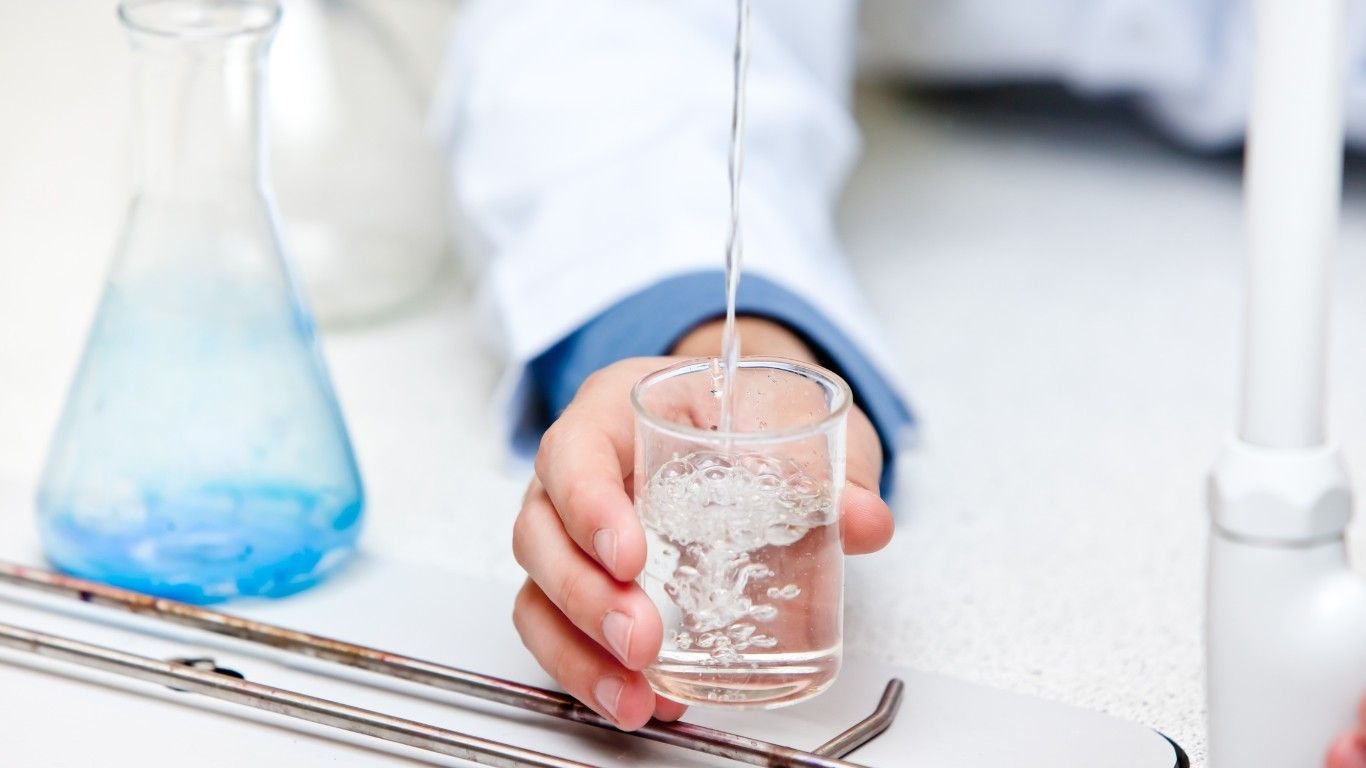
A basic water test can reveal issues such as hardness, sediment, iron, chlorine, dissolved minerals, or other contaminants. Some problems are mostly about taste and appearance, while others may affect plumbing, appliances, or drinking-water quality.
Testing gives you a starting point. Instead of buying a system because it has impressive specifications, you can choose equipment designed around an actual need. That usually means better performance and less money wasted on features you never use.
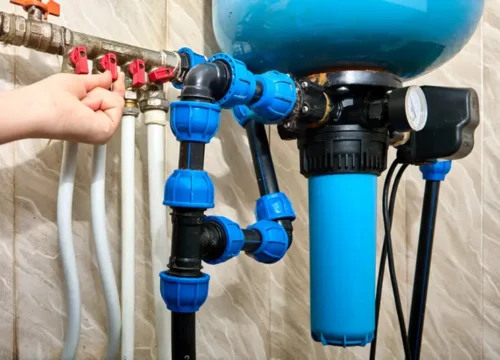
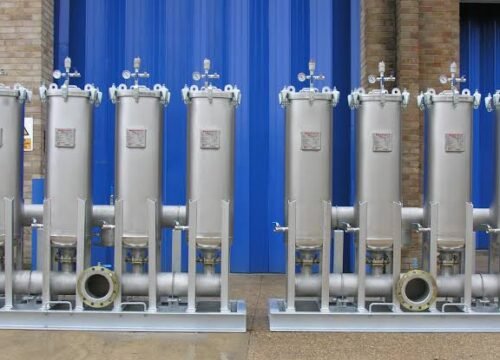
For households dealing with several water-quality concerns at once, whole-home water treatment can provide a more comprehensive approach. Rather than treating only one faucet, a properly selected system can improve water quality as it enters and moves throughout the house.
Hard Water Is More Than an Annoyance
Hard water is common, and you may notice it before you know what it is. Soap doesn’t seem to lather properly. Glassware develops cloudy marks. Faucets collect white mineral deposits. Over time, those deposits can build up inside plumbing fixtures and water-using appliances.
The minerals responsible, mainly calcium and magnesium, aren’t usually something people worry about from a basic drinking-water perspective. The bigger frustration is what they leave behind.
A water softener works by reducing hardness minerals before they circulate through the home. The difference can be surprisingly noticeable. Showers may feel cleaner, laundry can come out softer, and scale buildup may become much less troublesome.
The right water softening solutions should match the household’s water hardness and daily demand. A system that is too small may struggle during busy periods, while an oversized unit can cost more than necessary. Good sizing matters, and it’s one reason professional evaluation is worthwhile.
Drinking Water Deserves Its Own Attention
Whole-house treatment and drinking-water treatment aren’t necessarily the same thing. You may want cleaner water throughout the property while also wanting an extra level of filtration for the water you drink and cook with.
That’s where under-sink filtration and reverse osmosis systems can become useful. Reverse osmosis pushes water through a semipermeable membrane that can reduce many dissolved substances. Depending on the system and source water, it may help address certain salts, minerals, metals, and other contaminants.
For families who want highly treated water at a dedicated kitchen faucet, reverse osmosis drinking water can be a practical choice. It also avoids treating every gallon used for showers, toilets, laundry, and outdoor purposes to the same level.
There’s a trade-off, though. Reverse osmosis systems produce some wastewater during filtration and require periodic filter and membrane replacement. They’re not a magic box, and maintenance is part of getting consistent results.
Sediment Can Quietly Cause Problems
Not every water issue involves something dissolved in the water. Sediment is another common concern. Fine particles can enter a plumbing system from the source or develop through aging pipes and infrastructure.
You might notice sediment as cloudy water after a plumbing interruption, grit collecting around fixtures, or particles settling at the bottom of a glass. Even when the amount seems minor, sediment can interfere with filtration equipment and affect valves, faucets, and other components.
A sediment prefilter is often used as an early stage of treatment. It catches larger particles before water reaches more specialized equipment. Think of it as giving the rest of the system an easier job.
Choosing the right filter size and micron rating matters. A filter designed for a particular application can work efficiently without unnecessarily restricting water flow.
Don’t Ignore Taste and Odor
Water that looks perfectly clear can still taste unpleasant. Chlorine, sulfur compounds, iron, or other naturally occurring substances can affect odor and flavor. Sometimes the problem is subtle: the water isn’t undrinkable, it just isn’t enjoyable.
Activated carbon filtration is commonly used to improve taste and odor by reducing certain compounds. Other problems may require specialized media or treatment technologies.
This is another situation where diagnosis comes before equipment. A carbon filter can be excellent for the problem it was designed to address, but it won’t solve every water-quality issue. Choosing technology based on symptoms alone can lead to disappointment.
Consider the Whole Household
A good treatment system should fit into everyday life rather than becoming another chore nobody wants to deal with.
Think about household size, peak water use, available installation space, plumbing configuration, and maintenance requirements. A couple living in a small home may have very different needs from a large family with several bathrooms and heavy daily water consumption.
You should also consider what happens after installation. Filters need changing. Softener systems need servicing and, depending on the design, salt management. Reverse osmosis membranes eventually need replacement. Regular maintenance helps preserve water quality and keeps equipment operating as intended.
Ask about service requirements before making a purchase. Knowing the long-term cost is just as important as knowing the initial installation price.
Professional Advice Can Prevent Expensive Mistakes
There’s plenty of water-treatment equipment available online, and some systems are genuinely useful. But comparing products by price alone can be misleading.
Professional evaluation can help identify the source of the problem, determine the appropriate treatment method, and size equipment correctly. It can also uncover situations where treatment isn’t the answer. For example, a plumbing issue or damaged storage tank may create symptoms that look like a water-quality problem.
A good installer should explain what the system does, what it doesn’t do, and how often it needs maintenance. If the explanation sounds overly complicated or filled with promises that seem too good to be true, take a step back.
Better Water Starts With the Right Question
There isn’t one perfect water treatment system for every home. The smartest solution is usually the one that responds to the actual condition of the water rather than following a trend or buying the most expensive equipment available.
Start with testing. Identify the problems that matter most. Then look at treatment options based on those findings, your household’s needs, and your willingness to maintain the system.
Water treatment isn’t really about owning a piece of equipment. It’s about making everyday water more suitable for the way you live. And when the right system is selected for the right reason, the benefits can show up in places you notice every day — cleaner fixtures, better-tasting water, happier appliances, and a little less frustration at the kitchen sink.