Better Water Starts With Knowing What Your Home Actually Needs
Water is one of those things most people don’t think much about until something seems wrong. Maybe the shower leaves a chalky film behind. Maybe the kitchen faucet develops white spots, or the water has a strange taste that wasn’t there before. Sometimes the problem is obvious. Other times, it’s subtle enough that you simply get used to it.
The truth is, household water quality can affect much more than drinking. It can influence plumbing, appliances, laundry, bathing, cooking, and the general comfort of a home. The good news is that you don’t have to guess your way through it. A little testing, followed by the right treatment, can make a surprisingly big difference.
Start by Understanding What’s Actually in Your Water
Every home has a slightly different water story. Municipal water and private well water can have different concerns, while even homes in the same neighborhood may experience different issues because of plumbing, pipes, or local conditions.
Hard water is one of the most common complaints. It contains higher levels of minerals such as calcium and magnesium. These minerals aren’t necessarily something to panic about, but they can create everyday headaches. Soap may not lather properly, dishes can come out cloudy, and mineral deposits can build up around faucets and showerheads.
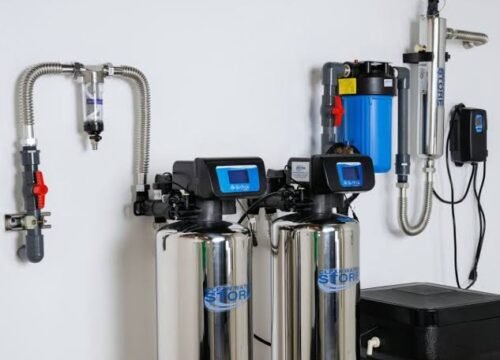
That’s where water softeners can become useful. A properly selected softener reduces hardness minerals before they travel through the home’s plumbing. The result can be softer-feeling water, less scale buildup, and fewer annoying spots on fixtures.
But hardness isn’t the only thing worth checking.
A Water Problem Isn’t Always Visible
One of the tricky things about water quality is that not every concern announces itself. Water can look perfectly clear and still contain substances you’d rather know about.
Depending on the source, homeowners may want to consider testing for things such as iron, manganese, nitrates, bacteria, chlorine, or other contaminants. Private wells deserve particular attention because homeowners are generally responsible for monitoring their own water supply.
This is why treatment should begin with information rather than assumptions. Installing a system simply because a neighbor has one doesn’t necessarily mean it’s the right choice for your home.
A basic test can help identify what you actually need to address.
Why Testing First Makes Sense
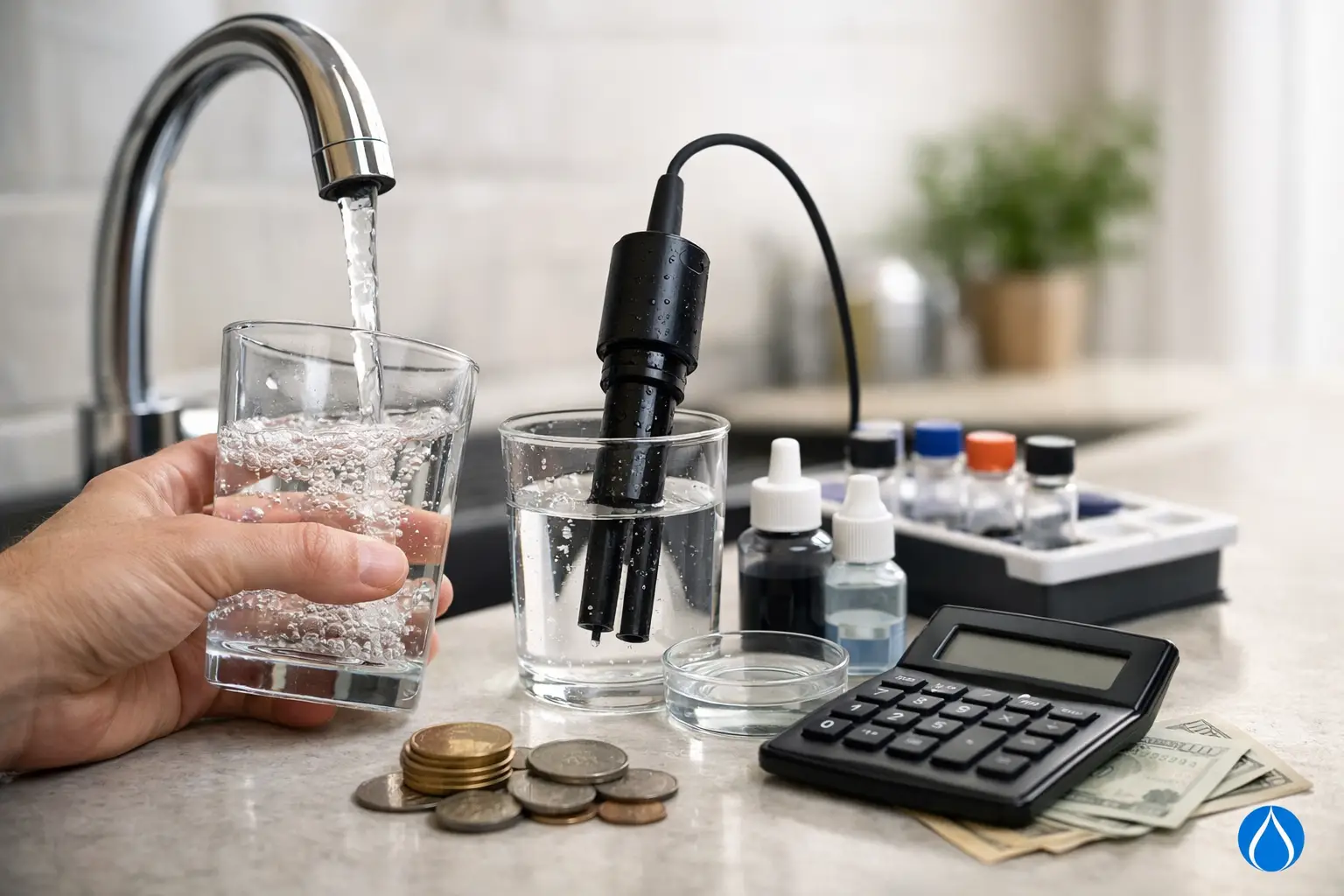
A free water test can be a useful starting point for homeowners who aren’t sure where to begin. Even when a test is offered at no charge, it’s worth asking what is being tested, how the sample is handled, and whether additional laboratory testing is recommended for specific concerns.
That distinction matters. A simple screening can provide helpful information, but it may not answer every question about your water. If you’re concerned about a particular contaminant, professional or certified laboratory testing may provide more dependable results.
Think of testing as getting a map before starting a road trip. You could drive around randomly and eventually find somewhere, but knowing where you are makes the whole process much easier.
Different Water Concerns Need Different Solutions
There isn’t one magic machine that fixes every water issue. Treatment systems are designed for specific problems, and choosing the wrong equipment can mean spending money without getting the results you expected.
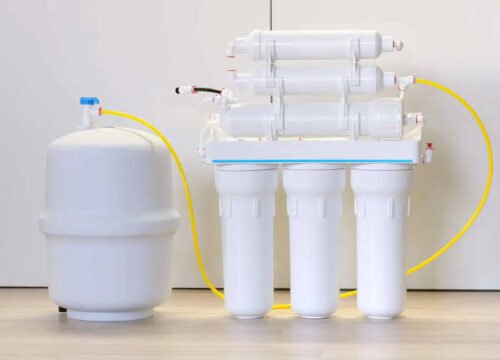
For example, softeners are primarily designed to address hardness. Filtration systems may target sediment, chlorine taste, odors, or certain other substances. Reverse osmosis is commonly used as a point-of-use treatment for drinking and cooking water, particularly when there are specific dissolved contaminants of concern.
The important part is matching the technology to the water chemistry.
That sounds technical, but the basic idea is simple: test first, identify the problem, then choose the treatment.
Don’t Forget the Water You Drink Every Day
Whole-home treatment can improve the water used throughout the house, but drinking water sometimes deserves its own consideration.
Point-of-use drinking systems can provide an additional level of treatment at a kitchen faucet or another location where water is regularly consumed. Depending on the system, these may use filtration, reverse osmosis, or other technologies designed for drinking and cooking water.
For families who drink plenty of tap water, this can be a practical approach. Instead of treating every gallon in the house to drinking-water standards, a homeowner may choose targeted treatment where it matters most.
Again, the right option depends on what’s actually present in the water.
Good Maintenance Is Part of Good Water Quality
Installing a treatment system is not the end of the story. It’s more like buying a car. You wouldn’t expect a vehicle to run perfectly for years without oil changes, inspections, or basic maintenance.
Water treatment equipment needs attention too.
Filters need to be replaced at appropriate intervals. Softener components may need servicing. Reverse osmosis membranes eventually require replacement. Salt-based systems need to maintain an adequate supply of salt or regeneration media.
Ignoring maintenance can reduce performance and, in some cases, create new problems.
It’s also smart to keep records of testing and filter changes. It takes only a few minutes, but months later you’ll be glad you know when the last service was performed.
Look at the Whole Household
Water quality isn’t only about what’s in the glass.
Hard water can affect water heaters, washing machines, dishwashers, faucets, and shower fixtures. Sediment can affect plumbing components. Unpleasant odors can make people avoid drinking water from the tap altogether. Over time, these little frustrations add up.
That’s why a household water assessment should consider how water is used throughout the home.
A family with older plumbing and hard well water may have different priorities from someone living in a newer home with treated municipal water. There’s no universal checklist that works perfectly for everybody.
Making a Smarter Long-Term Choice
The best water treatment decisions usually aren’t rushed. Start with the water source. Look at the symptoms you’re noticing. Test when appropriate. Then compare treatment options based on the actual problem rather than choosing equipment because it sounds impressive.
It’s also worth considering operating costs, maintenance requirements, available space, warranty coverage, and how much water your household uses. A system that works beautifully but is expensive or difficult to maintain may become frustrating over time.
Water should make daily life easier, not become another chore on your list.
A Small Improvement Can Change the Everyday Experience
You notice good water in surprisingly ordinary moments: a shower that doesn’t leave your skin feeling coated, clean-looking dishes, faucets without constant mineral spots, and a glass of water that tastes fresh.
None of those things are flashy. That’s exactly why they matter.
Understanding your home’s water quality gives you the chance to solve problems thoughtfully instead of reacting to them one by one. Whether the answer involves filtration, softening, a drinking-water system, or simply better maintenance, the first step is knowing what you’re dealing with.
Once you have that information, choosing the right path becomes a whole lot easier.