Making Sense of Water Quality: Practical Steps for a Healthier Home
Water is one of those things we rarely think about until something seems wrong. A strange taste, cloudy glass, a stubborn white ring around the sink, or a sudden change in smell can make you wonder what’s actually coming through the tap. And honestly, that question is worth asking. Water can look perfectly clear while still containing minerals, disinfectant byproducts, or other substances that affect its taste and everyday use.
For homeowners, understanding water quality isn’t about becoming a chemistry expert. It’s about knowing what is in your water, what problems actually matter, and which treatment approach makes sense for your household. A little information upfront can prevent wasted money on equipment that solves the wrong problem.
Start With the Water You Actually Have
The first step is testing. Water quality can vary significantly from one property to another, even within the same community. Homes using private wells may face mineral, iron, sulfur, or microbial concerns, while municipal supplies are generally treated but can still develop taste, odor, or plumbing-related issues between the treatment plant and the tap.
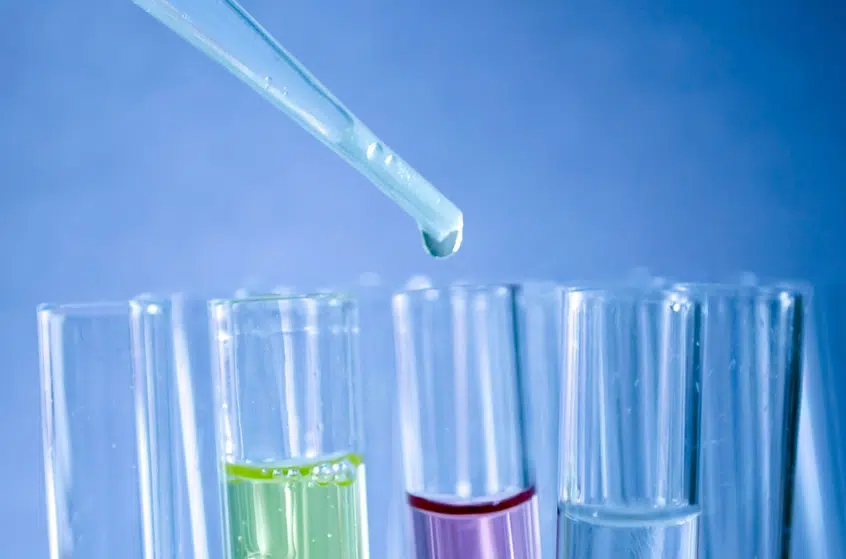
That’s why a free water test can be a useful starting point when one is available. Rather than guessing based on a neighbor’s experience or buying a filter because it looks popular online, testing gives you information to work with. Depending on the test, you may learn about hardness, pH, chlorine, iron, total dissolved solids, or other indicators.
Testing also helps separate genuine water-quality concerns from harmless quirks. A little mineral content, for example, isn’t automatically a reason to install a complex purification system.
Hard Water Is More Than an Annoyance
Hard water is one of the most common complaints in homes. It contains elevated levels of minerals such as calcium and magnesium. These minerals aren’t usually the dramatic problem people imagine, but they can certainly make household maintenance more frustrating.
You may notice spots on shower doors, scale around faucets, or soap that refuses to lather properly. Over time, scale can also collect inside water heaters, pipes, fixtures, and appliances. The result is often more cleaning, more maintenance, and equipment that doesn’t operate as efficiently as it should.
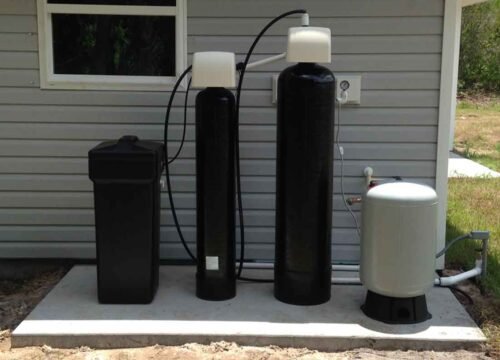
A water softener is designed specifically for hardness. It works differently from a drinking-water filter, which is an important distinction. Softening the water and purifying the water aren’t the same job.
Taste and Odor Deserve Attention Too
Sometimes the biggest complaint is simply that the water doesn’t taste good. Chlorine, sulfur compounds, certain organic chemicals, and other factors can influence flavor and odor.
Activated carbon filtration is commonly used to reduce chlorine and improve taste. In a kitchen, this can make a noticeable difference. Suddenly, drinking tap water feels more appealing, and coffee or tea may taste cleaner too.
But not every unpleasant taste has the same cause. If water smells strongly like rotten eggs, for instance, simply adding a basic carbon filter may not address the underlying issue. Testing first can point you toward a more appropriate solution.
Choosing Treatment Without Overcomplicating Things
The water treatment industry has no shortage of equipment. There are softeners, carbon filters, reverse osmosis units, ultraviolet systems, iron filters, whole-home systems, and plenty of combinations in between. It can get confusing quickly.
The smartest approach is usually to match the technology to the problem.
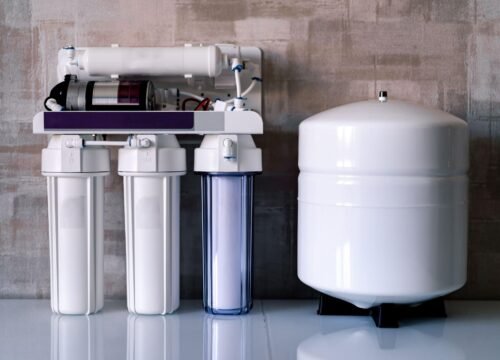
If hardness is the concern, a softener may be appropriate. If chlorine and taste are the main issues, carbon filtration could be enough. If a household needs significant reduction of dissolved solids or specific contaminants, reverse osmosis may be considered for drinking water. Well water with particular mineral or microbial concerns may require a more specialized setup.
In other words, more equipment doesn’t necessarily mean better water.
Think About the Whole House
It’s easy to focus only on the kitchen sink, but water quality affects the entire home. Showers, washing machines, dishwashers, water heaters, toilets, and plumbing fixtures all interact with the water supply.
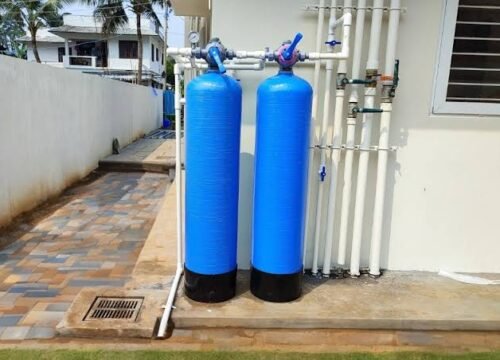
This is where whole-house treatment can become useful. Depending on the test results, a homeowner might combine a whole-house filter with a softener and a point-of-use drinking-water system. Each component can have a specific purpose rather than trying to make one device do everything.
Good water treatment solutions ny homeowners choose should therefore be based on actual local water conditions and household needs, not simply on a generic package.
Don’t Forget Maintenance
Even a well-designed treatment system needs attention. Filters have replacement schedules. Softener systems need appropriate salt or regeneration management. Reverse osmosis units have membranes and filters that eventually require servicing.
Ignoring maintenance can reduce performance and, in some cases, create new problems. A filter that has been left unchanged for far too long isn’t exactly the fresh start anyone had in mind.
Keep a simple maintenance calendar. Write down installation dates, filter changes, service visits, and unusual changes in water quality. It takes only a few minutes and can save plenty of guesswork later.
Quality Equipment Matters, But So Does the Installation
Buying reliable water products is only part of the equation. Installation, sizing, water pressure, plumbing configuration, and ongoing service all affect how well a treatment system performs.
For example, a system that is undersized for a large household may struggle during periods of heavy water use. On the other hand, installing a much larger system than necessary can increase upfront and operating costs without providing a meaningful benefit.
A qualified water-treatment professional can look at the test results, household water usage, existing plumbing, and specific concerns before recommending equipment. That kind of practical assessment is often more valuable than a sales pitch filled with technical terms.
Better Water Starts With Better Information
There’s something reassuring about knowing what comes out of your tap. Once you understand the water, decisions become much easier. You can address hardness without pretending it is a contamination problem, improve taste without installing unnecessary equipment, and choose purification technology when the water actually calls for it.
Most importantly, water treatment shouldn’t feel like a guessing game. Test first, understand the results, and then choose a solution that fits the home.
Clean, pleasant water is not about having the most complicated system in the neighborhood. Sometimes it’s about one well-chosen filter. Sometimes it takes a combination of technologies. And sometimes the best first move is simply learning what you’re dealing with. That small step can make every decision afterward a whole lot clearer.