Choosing Better Water Treatment Starts With Knowing Your Water
Water is one of those household essentials you rarely think about until something seems off. Maybe the tap water has a strange taste. Perhaps there’s white scale around the faucet, spots on your glasses, or an odor that wasn’t there a few months ago. These little clues can be easy to ignore, but they often tell you something useful about your water.
The good news is that improving household water quality doesn’t have to mean buying the most expensive system on the market. It starts with understanding what’s actually in your water and then matching the treatment method to the problem. Whether you’re dealing with hard water, unpleasant tastes, or dissolved contaminants, a little research can save money and headaches later.
Start With the Water You Already Have
Before choosing any filtration equipment, take a step back. Where does your water come from? Municipal supply and private wells can have very different characteristics, and even two homes in the same neighborhood may experience different issues because of plumbing, groundwater conditions, or aging infrastructure.
Water that looks perfectly clear isn’t necessarily free from unwanted substances. Some contaminants have no obvious color, smell, or taste. On the other hand, an unpleasant taste doesn’t automatically mean the water is dangerous.
That’s why testing is such a useful starting point. A proper analysis gives you information you can actually act on instead of relying on assumptions.
Why Water Testing Is Worth Your Time
Homeowners sometimes put off testing because they assume it will be complicated or expensive. In reality, many providers offer free water testing as an initial assessment. The exact tests included can vary, so it’s worth asking what the analysis covers and whether the results are explained clearly.
A good test may look at factors such as hardness, pH, chlorine, iron, and other common water-quality indicators. If you’re using a private well, additional testing may be recommended depending on your location and circumstances.
The important thing is not simply receiving a piece of paper filled with numbers. You should understand what those numbers mean for your household.
For example, high hardness might point toward a softening solution, while a particular dissolved contaminant could require a specialized filtration technology. Testing turns a vague concern into a more specific problem.
Understanding Reverse Osmosis
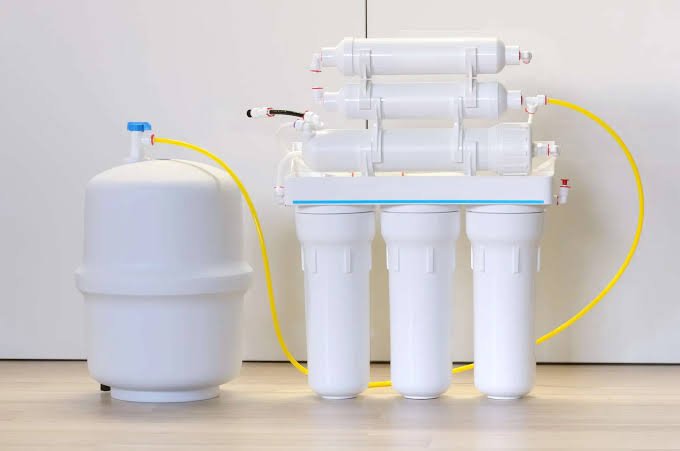
When dissolved contaminants are the main concern, reverse osmosis systems are often considered because of their ability to reduce a wide range of substances. These systems push water through a semipermeable membrane, leaving many unwanted dissolved materials behind.
RO is commonly used at the kitchen sink for drinking and cooking water. That’s a practical arrangement because you don’t necessarily need highly treated water from every shower or toilet.
There are trade-offs, though. Reverse osmosis systems require regular filter and membrane replacement, and the process can produce wastewater. Some systems also include multiple filtration stages, which means there are more components to maintain.
None of that makes RO a bad choice. Quite the opposite. It simply means the system should be selected with your actual water chemistry and daily habits in mind.
Hard Water Is a Different Kind of Problem
Hard water can be frustrating in a much more everyday way. You may notice mineral deposits on fixtures, reduced soap lather, dry-feeling laundry, or scale building inside appliances.
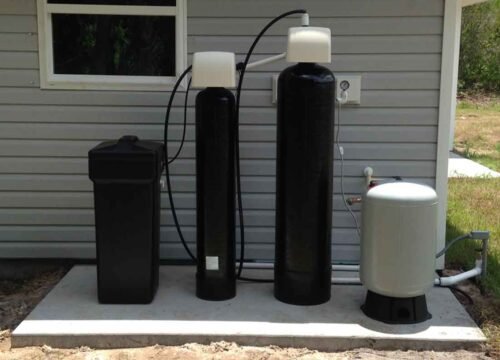
Unlike many filtration systems, a softener is specifically designed to address hardness minerals, usually calcium and magnesium. Traditional ion-exchange softeners replace these minerals with sodium or potassium ions.
If you’re shopping for one, don’t focus only on the sticker price. A sensible water softener comparison should consider capacity, regeneration method, salt or potassium usage, water consumption, installation requirements, warranty, and ongoing maintenance.
A cheaper unit isn’t always cheaper over five or ten years. Sometimes the boring details matter more than the shiny features.
Choosing Between Different Treatment Technologies
Water treatment can become confusing quickly because manufacturers use different technologies for different purposes.
Activated carbon, for example, can be effective for improving taste and reducing chlorine and certain organic compounds. Sediment filters are useful for trapping particles such as dirt, sand, and rust. UV treatment is designed to address microorganisms, while specialized media may target specific contaminants.
Reverse osmosis can handle many dissolved substances, but it isn’t necessarily the right answer to every water problem. Similarly, a water softener isn’t a general-purpose purifier.
This is where professional advice can be helpful — provided the recommendation is based on your test results rather than a one-size-fits-all sales pitch.
Don’t Forget the Cost of Ownership
It’s easy to compare two systems by looking at their purchase prices. That’s only part of the story.
Think about replacement filters, membranes, salt, electricity, service visits, and installation. Some systems require very little attention, while others need regular maintenance to continue performing properly.
Also consider how much water your household uses. A system that’s perfectly adequate for two people might be undersized for a large family. If a filter is constantly operating near its capacity, performance and replacement intervals may suffer.
A good water treatment setup should fit your home, not just look impressive in a brochure.
Maintenance Is Part of the Deal
Even excellent equipment can’t work properly when it’s neglected. Filters eventually become saturated. RO membranes need replacement. Softener systems require periodic attention, and some components should be inspected by a professional.
Make a habit of keeping track of replacement dates. It sounds simple, but people forget. A small note on your phone or calendar can prevent months of running a system with an overdue filter.
And if you notice a sudden change in taste, smell, pressure, or water appearance, don’t simply assume the equipment is working normally. Something may need inspection.
Better Water Doesn’t Mean Buying More Equipment
There’s a tendency to think that the best water treatment setup is the one with the most stages, largest tank, or longest list of features. That’s not necessarily true.
The better approach is surprisingly straightforward: test the water, identify the problem, learn what each technology actually removes, and then choose a system that matches the need.
For one household, a softener may be the biggest improvement. Another may benefit from a kitchen RO system. Someone else may need sediment filtration or a combination of treatments.
Ultimately, good water treatment is less about following trends and more about paying attention. Your water has a story to tell — in the taste, the scale, the test results and sometimes the condition of your plumbing. Listen to it first.
Once you know what you’re dealing with, choosing the right solution becomes a whole lot easier.