Making Better Decisions About Water Quality at Home
Water is one of those things most people barely think about until something seems wrong. Maybe the coffee tastes a little strange. There’s a chalky ring around the faucet. Soap doesn’t seem to rinse properly, or the shower glass looks cloudy again just a day after cleaning it. None of these signs necessarily mean your water is unsafe, but they can be clues that your household water could use a closer look.
That’s where understanding your water becomes more useful than simply buying the first filter you see online. Every home has different plumbing, water sources, usage patterns, and treatment needs. A practical solution starts with knowing what is actually in the water and what you want to improve.
Start With the Water, Not the Equipment
It’s tempting to begin by comparing machines. Reverse osmosis units, whole-house filters, softeners, refiners—the choices can feel endless. But equipment should come after diagnosis, not before it.
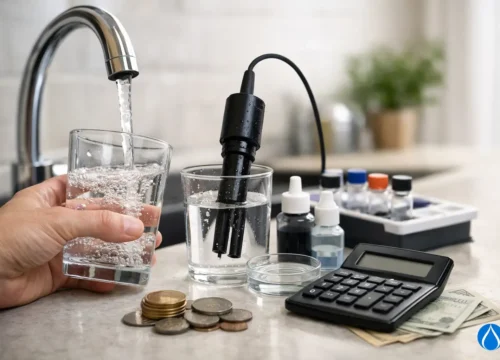
Professional water testing & analysis can reveal details that your senses cannot. Water may contain minerals that cause hardness, sediment that affects appearance, or other contaminants that require a more targeted treatment approach. Testing can also help identify whether a problem is coming from the source water, household plumbing, or a combination of both.
This matters because two homes on the same street can still have noticeably different water experiences. One household might struggle mainly with mineral buildup, while another may be more concerned about taste or sediment. A test gives you a starting point instead of relying on guesswork.
Hard Water Can Be More Than an Annoyance
Hard water is extremely common, and for many families the first signs are fairly ordinary. Faucets develop spots. Shower doors lose their shine. Laundry may feel rougher than expected. You might even notice that your water heater needs more attention over time.
The issue is largely related to dissolved minerals such as calcium and magnesium. These minerals aren’t necessarily a reason to panic, but they can create scale and make everyday cleaning more frustrating.
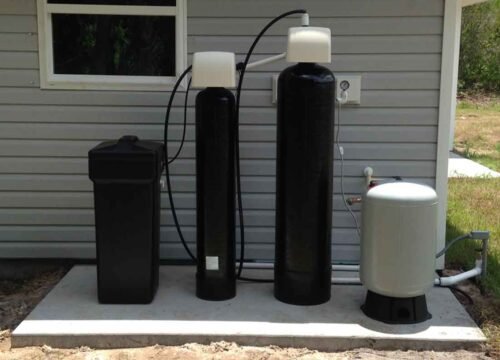
For households dealing with persistent hardness, water softeners & refiners can offer a practical way to improve water quality throughout the property. A properly selected system can reduce the minerals responsible for scale and help make water more comfortable for bathing, cleaning, and other household tasks.
Still, choosing the right system isn’t simply a matter of picking the biggest model available. Household size, water consumption, hardness levels, plumbing configuration, and regeneration requirements all deserve consideration.
Drinking Water Deserves Its Own Attention
Water used for drinking and cooking has different priorities from water used for washing clothes or filling a bathtub. You may want to improve taste and odor, reduce specific contaminants, or simply have greater confidence in the water coming from your kitchen tap.
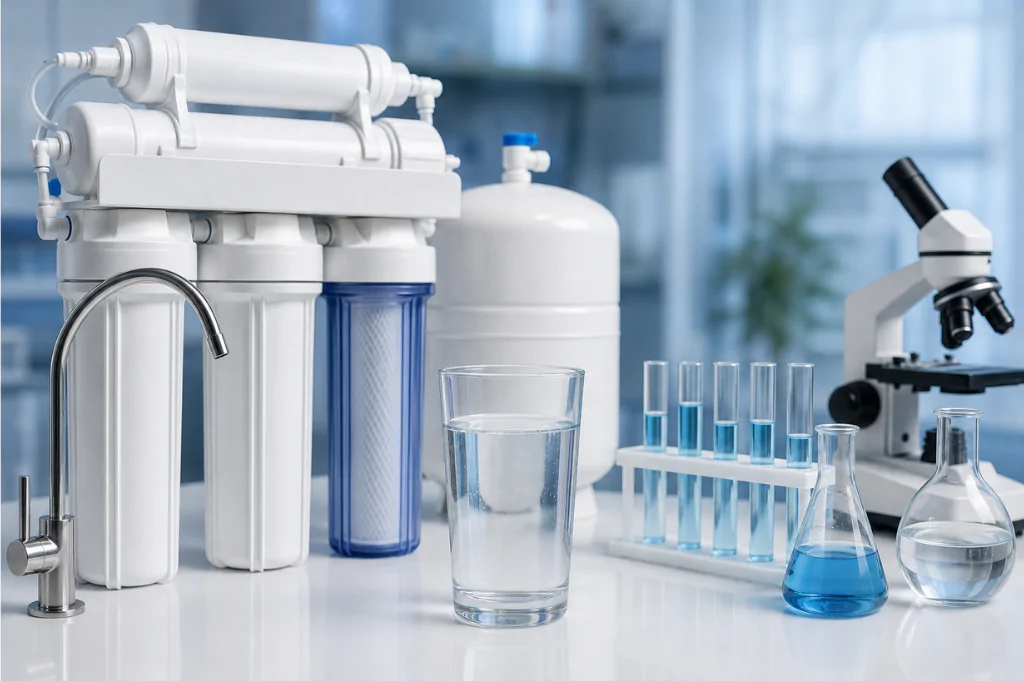
This is one reason many homeowners consider ro & drinking water systems as part of a broader water-treatment strategy. Reverse osmosis technology can provide highly treated water at a dedicated drinking-water point, depending on the system design and the contaminants being addressed.
It can be especially appealing when someone notices an unpleasant taste or wants an additional level of treatment for water used every day. The important part is matching the system to actual water conditions. A treatment system shouldn’t be chosen because it happens to be popular; it should have a clear purpose.
Whole-House Treatment and Point-of-Use Treatment Are Different
One common mistake is assuming that one piece of equipment has to solve every water problem. In reality, different treatment technologies can serve different jobs.
A whole-house filtration system treats water as it enters the home, which can make sense when the concern affects showers, laundry, appliances, and multiple faucets. A point-of-use system, on the other hand, focuses treatment where water is consumed, such as the kitchen sink.
Sometimes the best setup is a combination. For example, a home might use whole-house treatment to address sediment or hardness and a separate drinking-water system for additional purification at the kitchen tap.
There isn’t a universal formula. The right arrangement depends on what the testing shows and what the household actually needs.
Don’t Ignore Sediment
Sediment can be easy to overlook because it isn’t always dramatic. Fine particles may enter through a private water source, older infrastructure, plumbing work, or changes in the water supply. Even when the water looks clear most of the time, sediment can still create problems for fixtures and treatment equipment.
A sediment filter can serve as an important first stage in a larger treatment setup. It essentially catches physical particles before they move farther into the plumbing or reach more sensitive components.
However, sediment filtration isn’t the answer to every water-quality issue. It doesn’t automatically address dissolved minerals, chemical contaminants, or every taste and odor concern. That’s why identifying the actual problem first saves both money and frustration.
Maintenance Is Part of the Solution
Buying a water-treatment system is not the finish line. Filters need changing. Components require inspection. Some systems need sanitization, adjustments, or periodic testing.
Skipping maintenance can gradually reduce performance, sometimes without an obvious warning. A system may still be running while doing a much poorer job than it did when first installed.
Homeowners should know what routine maintenance their equipment requires and how often it should happen. It’s also worth keeping track of filter changes and service visits. A small calendar reminder can prevent the classic “I think we changed that filter sometime last year” problem.
Professional Guidance Can Save You From the Wrong Purchase
Online research is useful, but water treatment is one of those areas where professional advice can be surprisingly valuable. A knowledgeable technician can consider the water test, household usage, existing plumbing, equipment capacity, and long-term maintenance before recommending a system.
That doesn’t mean buying the most complicated setup. In fact, a good recommendation may be simpler than what you originally expected.
The goal should be effective treatment, not equipment for equipment’s sake. A properly sized system can perform more consistently and may be easier to maintain than an unnecessarily elaborate installation.
Think About the Long-Term Experience
Water quality affects hundreds of small moments in a home. It’s in the glass you fill first thing in the morning, the shower you take after a long day, the clothes you wash on the weekend, and the dishes you clean after dinner. Those little interactions add up.
That’s why a sensible water-treatment decision should consider more than today’s irritation. Think about maintenance, operating costs, system lifespan, available space, and how your household might change over the next few years.
Good water treatment isn’t about chasing perfection. It’s about solving real problems with the right level of treatment.
In the end, the smartest approach is fairly straightforward: test the water, understand the results, identify your priorities, and then choose equipment that fits those needs. When you take that route, you’re less likely to overspend on technology you don’t need—and more likely to enjoy water that simply works better every day.