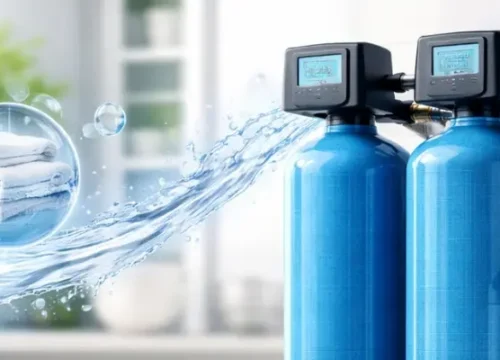
Making Better Water Choices for Everyday Life
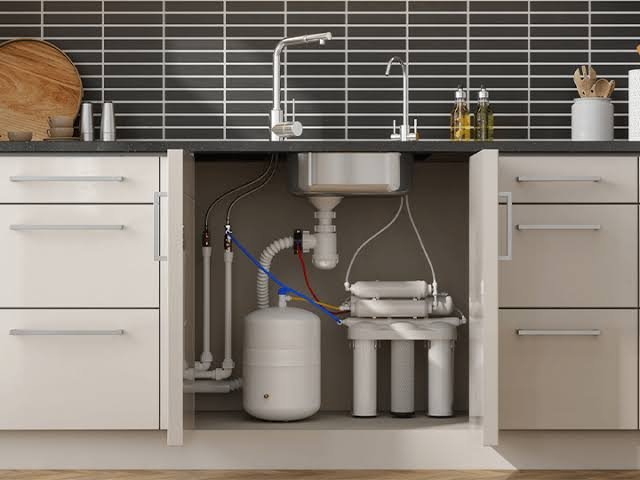
Water is one of those things most people don’t think about until something seems wrong with it. Maybe the shower leaves white marks on the glass. Perhaps the water has an odd smell, the coffee tastes a little different, or the sink seems to collect spots overnight. None of these problems necessarily mean your water is unsafe, but they can be signs that its quality deserves a closer look.
That’s where a thoughtful approach to water treatment can make a real difference. Instead of choosing equipment based on a sales pitch or a neighbor’s recommendation, homeowners and businesses can look at what is actually happening with their water and choose a solution around those needs.
Modern water treatment systems are designed to address a wide range of water-quality concerns, from hardness and sediment to unpleasant tastes, odors, and certain unwanted contaminants. The key is matching the technology to the problem rather than assuming one system will solve everything.
Start With the Water You Actually Have
Every water supply is a little different. Municipal water may contain disinfectants and naturally occurring minerals, while private wells can have their own combination of iron, sediment, hardness, or other concerns. Even homes in the same neighborhood can experience noticeable differences depending on plumbing, local conditions, and the source of the water.
A water test is often the best starting point. It gives you something more useful than guesswork. Once you know what is present, you can decide whether you need filtration, softening, drinking-water treatment, or a combination of technologies.
This matters because water treatment isn’t really about buying the biggest or most expensive piece of equipment. It’s about solving the right problem.
Hard Water Is More Than an Annoyance
Hard water is common in many areas, and while it isn’t usually considered a direct health concern, it can be frustrating around the house. Calcium and magnesium can leave mineral deposits on faucets, shower doors, dishes, and appliances. Soap may not lather as easily, either.
Over time, those deposits can become a maintenance headache. Water-using appliances may also accumulate scale, potentially affecting their efficiency and lifespan.
For households dealing with these issues, water softeners can help reduce hardness by exchanging calcium and magnesium ions for sodium or potassium ions. The result can be noticeably different: smoother-feeling water, fewer stubborn mineral spots, and less scale buildup.
Still, softening isn’t the answer to every water problem. A softener doesn’t replace a filtration system designed for sediment, taste, odor, or other specific contaminants. Knowing the distinction can save homeowners money and frustration.
Why Filtration Deserves Attention
Not all water-quality concerns are visible. Some issues show up as cloudy water or sediment, while others may only become apparent through laboratory testing.
Filtration technology can target particular substances depending on the filter media and system design. Sediment filters, activated carbon filters, specialty media, and reverse osmosis systems all have different purposes. That’s why a good treatment plan usually begins with testing and an understanding of the home’s water source.
For families, the goal is often simple: water that looks clear, tastes good, and feels pleasant to use. Businesses may have additional concerns, particularly if water quality affects equipment, food preparation, manufacturing, hospitality, or customer experience.
In southeastern Pennsylvania, local water conditions can vary considerably, which makes generalized advice less useful. The right solution should reflect the property, the water source, and how the water is being used.
Thinking Beyond the Kitchen Sink
Clean water matters throughout a property, not just at the drinking tap. Showers, washing machines, dishwashers, boilers, coffee makers, and other fixtures all depend on the water entering the building.
That broader perspective is particularly important for businesses. A restaurant, office, apartment building, healthcare facility, or small manufacturing operation may use far more water than an average household. Mineral buildup or poor water quality can become an operational issue instead of merely a household inconvenience.
Providing clean water for southeastern pennsylvania residents & businesses therefore involves more than installing a single device and walking away. It requires understanding the source, identifying the problem, selecting suitable equipment, and keeping that equipment working properly over time.
Maintenance Is Part of the Solution
Even a well-designed treatment system needs attention. Filters eventually become saturated. Components need inspection. Softener settings may need adjustment as household water use changes. Tanks and membranes can require routine service as well.
Skipping maintenance is a bit like buying a new car and never changing the oil. The equipment may continue to run, but performance can gradually suffer.
Homeowners should know how often filters need replacement and what warning signs to watch for. Businesses, meanwhile, may benefit from scheduled service because an unexpected water-quality problem can interrupt daily operations.
Professional maintenance can also uncover small issues before they become expensive repairs. A minor leak, pressure problem, or incorrect setting is much easier to address early.
Choosing a System Without Overcomplicating It
There is a tendency in the water-treatment industry to make the technology sound complicated. In reality, the decision-making process can be fairly straightforward.
Start with testing. Identify the actual concerns. Consider how much water the property uses. Think about whether treatment is needed for the entire building or only for drinking water. Then compare systems based on performance, maintenance requirements, installation needs, and long-term operating costs.
It’s also worth asking what happens after installation. Who services the equipment? Are replacement filters readily available? What kind of warranty comes with the system? Will someone be available if water quality changes later?
Those questions may not be as exciting as discussing new technology, but they matter.
Good Water Treatment Is a Long-Term Investment
Water treatment isn’t necessarily something you notice every day when everything is working correctly. And perhaps that’s the point. The best system often becomes part of the background, quietly doing its job while your family gets on with the day or your business keeps running normally.
The smartest approach is not to chase every new treatment gadget or assume the most powerful system is automatically the best. Instead, understand your water, address the problems that actually exist, and choose equipment that fits your property and lifestyle.
Good water should feel ordinary. No strange taste, no constant scale buildup, no wondering what’s coming out of the tap. With the right testing, equipment, and ongoing care, achieving that kind of everyday reliability is much more realistic than it may first appear.