Making Sense of Modern Water Treatment: Choosing the Right Solution for Your Home
Water is one of those things most people rarely think about until something goes wrong. A strange taste in the morning coffee, white buildup around the faucet, dry skin after a shower, or cloudy water in a glass can all make you wonder what is happening inside your home’s plumbing. While municipal water is treated before it reaches households, its quality and characteristics can still vary depending on the source, distribution system, and local conditions.
That’s where residential water treatment comes in. The right solution isn’t necessarily the most expensive system or the one with the longest list of features. It’s the one that addresses the actual issues in your water and fits your household’s needs. Understanding the differences between treatment options is a useful first step.
Why Water Quality Can Vary at Home
Even water that meets public safety standards may contain minerals, disinfectant byproducts, sediment, or other substances that affect its taste, smell, and appearance. Hard water, for example, is common in many regions and contains elevated levels of calcium and magnesium. These minerals aren’t usually considered a health concern, but they can create practical headaches.
Soap may not lather easily, dishes can develop spots, and mineral deposits may collect inside showerheads, water heaters, and pipes. Over time, these deposits can make cleaning more difficult and may reduce the efficiency of certain appliances.
Other concerns are more specific. Some households may want to reduce chlorine taste, sediment, or certain dissolved contaminants. The important thing is to avoid treating every water problem as if it were the same. A basic water test can help identify what actually needs attention.
Understanding Water Softeners
For homes dealing primarily with hard water, water softeners are often one of the most practical options. Traditional softeners use a process called ion exchange. As water passes through the system, calcium and magnesium ions are exchanged for sodium or, in some systems, potassium ions.
The result is water that behaves differently during washing and cleaning. Soap tends to work more effectively, mineral spotting may decrease, and scale buildup can become less of a problem. Many homeowners also notice that their skin and hair feel different after bathing, although personal experiences vary.
A softener is not designed to remove every contaminant from drinking water. Its main purpose is to address hardness. That distinction matters because buying a softener when the real concern is bacteria, nitrates, or another dissolved substance may leave the household disappointed.
It’s also worth considering maintenance. Salt-based systems need periodic replenishment, and their settings should be adjusted according to water hardness and household consumption. A properly sized and maintained unit generally performs more consistently than one installed without much planning.
Cleaner-Tasting Water at the Kitchen Tap
When the main concern is drinking and cooking water, a point-of-use filtration system may be more appropriate than treating every gallon entering the home. One popular option is the reverse osmosis drinking water systems category, which uses a semipermeable membrane to reduce many dissolved substances from water.
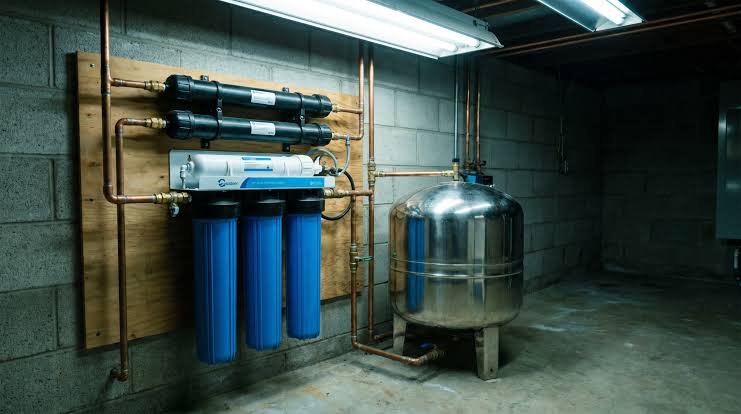
Reverse osmosis systems commonly include multiple filtration stages. A sediment filter may capture larger particles, while activated carbon filters can help reduce chlorine and improve taste. The membrane then handles many dissolved contaminants, depending on the system’s design and certification. Some systems also include a final polishing filter or a remineralization stage.
These systems can be useful for people who want a dedicated source of filtered water for drinking, tea, coffee, and food preparation. However, they do have trade-offs. Reverse osmosis may produce wastewater during filtration, and filters and membranes need to be replaced on a schedule. Storage tanks and installation space are other considerations, especially in smaller kitchens.
Before choosing a system, check what it is certified to reduce rather than relying on broad claims such as “purifies everything.” Certification and performance data offer a much clearer picture of what the equipment can realistically do.
When Whole-Home Treatment Makes More Sense
Some water concerns extend beyond the kitchen sink. If the goal is to improve water throughout the house, whole-home water treatment systems may offer a more suitable approach. These systems are installed at the main water entry point, allowing treated water to flow through showers, laundry taps, bathroom fixtures, and other outlets.
The type of treatment depends on the water issue. Sediment filters can help capture particles. Activated carbon systems may reduce certain tastes, odors, and chemicals. Specialized treatment equipment may be designed for specific contaminants identified through testing. In homes with hard water, a whole-house softener may also be part of a broader setup.
The advantage is convenience: the treatment applies across the home rather than at a single faucet. But whole-home systems require careful selection. A system that is excellent for chlorine reduction, for instance, may not be designed to address dissolved metals or microorganisms. Flow rate, plumbing size, pressure requirements, and maintenance costs should all be reviewed before installation.
Testing Comes Before Guessing
One of the easiest mistakes homeowners make is choosing equipment based on a neighbor’s recommendation or a general concern about water quality. While personal recommendations can be helpful, water conditions can differ significantly between properties, even within the same area.
Start by identifying whether your water comes from a municipal supply or a private well. A certified laboratory test can provide useful information about hardness, pH, iron, manganese, bacteria, and other relevant parameters. The exact test panel should depend on local risks and the concerns you’re trying to investigate.
For municipal water, reviewing the supplier’s annual water quality report can also provide background information. For well owners, regular testing is particularly important because groundwater conditions can change over time.
Once you know what’s present, you can match the treatment method to the problem. That approach is usually more effective—and often more affordable—than purchasing a complicated system with features you may never need.
Maintenance Is Part of the Solution
A water treatment system is not a set-it-and-forget-it appliance. Filters become saturated, membranes lose efficiency, salt levels need checking, and moving parts may require inspection. Neglecting maintenance can reduce performance and, in some cases, create new water quality concerns.
Ask about replacement filter costs, service intervals, warranty coverage, and the availability of replacement parts before committing to a product. A system that fits your budget at installation may become expensive if its maintenance requirements are overlooked.
Professional installation can also make a difference. Correct sizing, appropriate plumbing connections, and proper drainage are especially important for systems that regenerate or produce wastewater.
A More Informed Way to Choose
There’s no universal water treatment system that works perfectly for every household. The best decision begins with a clear understanding of the water itself, followed by a realistic look at your goals, budget, space, and willingness to maintain the equipment.
Maybe you only need softer water for laundry and bathing. Perhaps your priority is better-tasting drinking water. Or you may need a combination of treatments to address several documented concerns. Each situation calls for a slightly different answer.
The goal isn’t simply to install more equipment. It’s to create water that suits your home, your routines, and your expectations—without paying for solutions that don’t solve the problem.