Why Your Home’s Hot Water System Deserves More Than an Afterthought
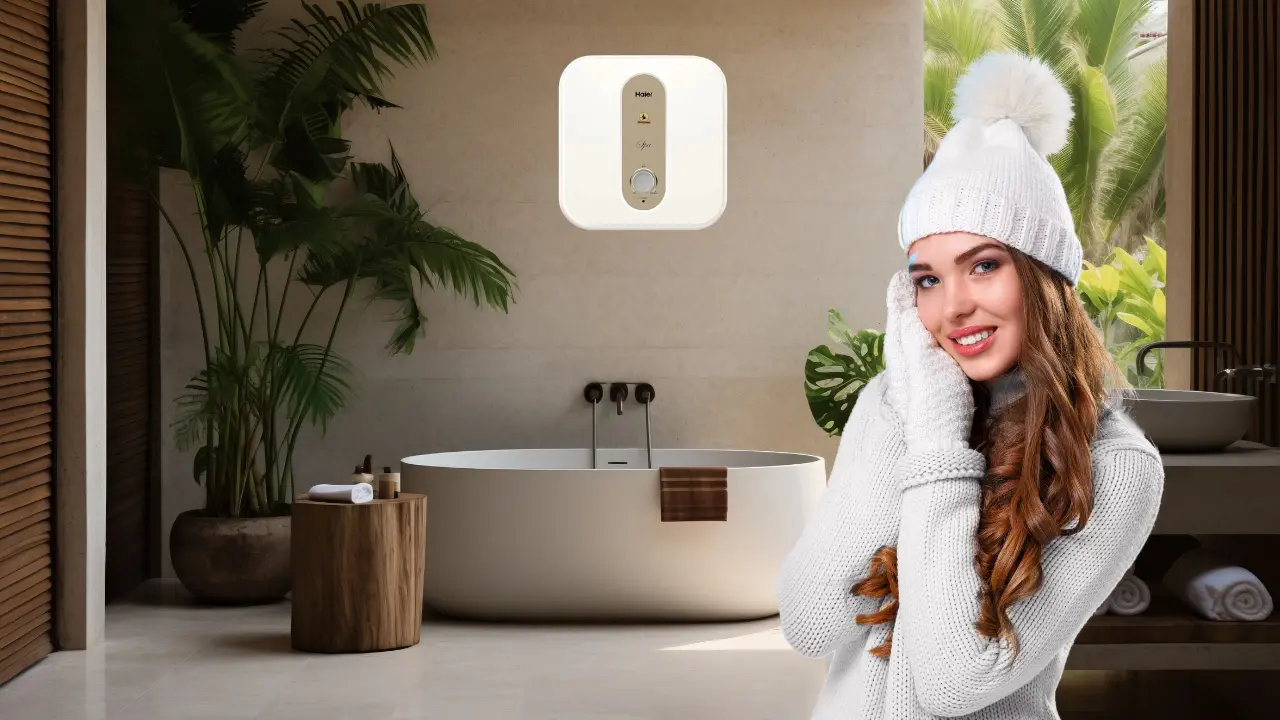
Let’s be honest — nobody thinks about their hot water until it’s gone. You’re halfway through a shower, shampoo in your hair, and suddenly it’s ice cold. That’s usually the moment people start Googling frantically, and honestly, that’s fair. We don’t think about plumbing until it fails us, and by then we’re scrambling for answers instead of making a calm, informed decision.
I’ve talked to a lot of homeowners over the years (some through work, some just neighbors venting over the fence), and the pattern is almost always the same. They inherited whatever system the previous owner installed, never gave it a second thought, and then one day it just… stopped. So let’s slow down for a second and actually talk about this stuff before it becomes an emergency.
The Basics Nobody Explains Well
Most homes still run on standard water heaters — the big tank kind that sits quietly in a closet or basement, heating and reheating 40 to 50 gallons of water around the clock, whether you need it or not. They’re reliable, they’re cheap to install, and honestly, for a lot of households, they still make sense. If you’ve got a family of four with a fairly predictable morning routine, a traditional tank might genuinely be the smarter buy over the long run.
But here’s the thing — tanks have a shelf life. Somewhere between 8 and 12 years, depending on your water quality and how well the unit’s been maintained, that thing is going to give out. Sometimes it’s a slow leak. Sometimes it’s just a pilot light that won’t relight anymore. Either way, when it dies, it usually dies without much warning, and that’s not a fun surprise on a Tuesday morning.
When Tank-Style Just Doesn’t Cut It
Now, if you’ve ever lived in a house with more people than bathrooms, you know the pain of someone “stealing” all the hot water. That’s usually where people start looking at alternatives. This is where tankless water heaters come into the conversation, and I’ll admit, I was skeptical of them for a while. They’re pricier upfront, sometimes significantly so, and the installation can get complicated if your home wasn’t built with one in mind.
That said — once they’re in, they’re kind of magic. No standby tank means no heat loss, no scrambling to “catch up” after three showers in a row, and depending on the model, they can last close to twenty years with proper care. They’re not for everyone (gas line requirements and upfront cost scare a lot of people off), but if you’ve got the budget and the patience for installation, it’s hard to go back to a tank once you’ve lived with endless hot water.
The Part Everyone Forgets: What’s Actually IN Your Water
Okay, so here’s where I think most homeowners drop the ball, myself included for a long time. You can have the best heater money can buy, but if your water is hard — full of calcium, magnesium, sediment, whatever your local supply throws at you — it’s going to wreck that system early. Scale builds up inside tanks and heating elements, efficiency drops, and you end up paying more to heat the same amount of water.
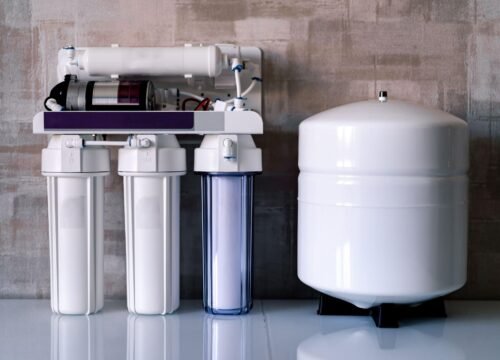
This is why pairing your heating setup with proper water softeners & filtration actually matters more than people realize. It’s not just about better-tasting water or softer skin after a shower (though, sure, that’s a nice bonus). It’s about protecting the expensive equipment you just installed. Hard water minerals cling to heating elements and pipe walls like nobody’s business, and over time that buildup shortens the lifespan of everything downstream. A decent softener isn’t a luxury add-on — in a lot of areas, it’s basically preventative maintenance.
So, What Should You Actually Do?
If I had to boil this down (pun somewhat intended), I’d say: know your water first. Get it tested if you haven’t — most local utilities or plumbing companies will do this cheap or free. That tells you whether softening or filtration should even be part of the plan. From there, think honestly about your household’s habits. Big family, back-to-back showers, running the dishwasher and washing machine at the same time? A tankless setup might save you a lot of frustration. Smaller household, tighter budget, simpler needs? A traditional tank still gets the job done.
None of this has to be complicated, and you definitely don’t need to become a plumbing expert overnight. But spending twenty minutes now — thinking through what your home actually needs instead of just replacing like-for-like out of habit — can save you a lot of headache (and money) down the road. Trust me, future-you, standing in a cold shower at 6 a.m., will thank you for it.