Comfort That Lasts: Choosing the Right HVAC Service for Your Home or Business
There’s a particular kind of frustration that comes with an HVAC problem. You notice it when the house feels warmer than it should, the office never seems to cool evenly, or the air conditioner starts making a sound that definitely wasn’t there yesterday. At first, it’s easy to put off. Then the weather gets hotter, and suddenly that small issue becomes the main thing you’re thinking about.
A dependable heating and cooling system does much more than keep indoor temperatures comfortable. It affects air quality, energy consumption, humidity, equipment life, and even how peaceful a space feels. That’s why choosing the right HVAC professional isn’t simply about finding someone who can fix a broken unit. It’s about finding a team that understands the whole system and can help you make sensible decisions over time.
Good HVAC Service Starts With Understanding the Problem
When an air conditioner isn’t performing properly, the obvious temptation is to focus on the symptom. Maybe it isn’t blowing cold air. Perhaps the system cycles on and off constantly. Or you’ve noticed that your energy bill has climbed even though your daily habits haven’t changed.
The real cause can be less obvious.
A clogged filter, refrigerant issue, electrical fault, damaged component, poor airflow, ductwork problem, or aging equipment can all produce similar symptoms. A skilled technician takes the time to investigate rather than immediately recommending the most expensive solution.
That diagnostic approach matters. You don’t want a temporary patch if the equipment has a deeper problem, but you also shouldn’t be pushed into replacing a perfectly serviceable system.
Experience Makes a Difference When Comfort Is on the Line
HVAC equipment has become increasingly sophisticated. Modern systems can include variable-speed technology, smart thermostats, zoning controls, heat pumps, advanced filtration, and energy-saving features. Installing or servicing these systems correctly requires more than basic mechanical knowledge.
This is one reason homeowners often look for award-winning hvac services when comparing local companies. Recognition alone doesn’t guarantee quality, of course, but it can be one useful sign when combined with experience, licensing, customer reviews, transparent communication, and strong workmanship.
A good HVAC company should also be willing to explain what it’s doing. If a technician says a component needs replacement, you should be able to ask why, what happens if you wait, and what your alternatives are. There’s nothing wrong with wanting to understand where your money is going.
Repairs Should Solve the Problem, Not Just Hide It
Routine maintenance can prevent many problems, but equipment still breaks down. Parts wear out. Motors fail. Electrical connections loosen. Filters get neglected. Sometimes an air conditioner simply reaches the end of its useful life.
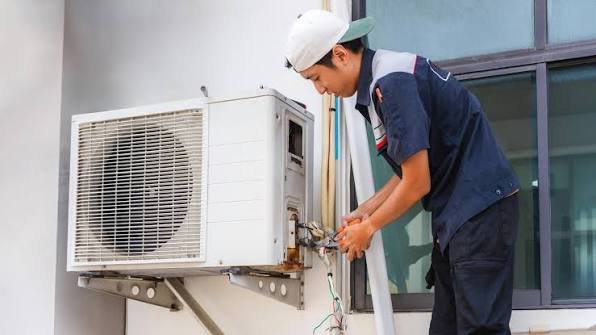
Professional ac repair should begin with a proper inspection. A technician may check airflow, electrical components, refrigerant levels, thermostat operation, coils, drainage, and other parts depending on the symptoms. The exact process varies by system and problem.
One of the most valuable things a technician can provide is perspective. If a relatively small repair can restore reliable performance for several more years, that may make sense. If an older system requires repeated expensive repairs, replacement could be the better long-term decision.
The goal isn’t to repair everything at any cost. It’s to find the most practical solution for the equipment, the property, and the customer.
When Replacement Makes More Sense
Eventually, every HVAC system reaches a point where repairs stop being financially sensible. That doesn’t necessarily mean the equipment has completely failed. Sometimes frequent breakdowns, declining efficiency, inconsistent temperatures, or expensive replacement parts are enough to make a new system worth considering.
Age is another factor, but it shouldn’t be the only one.
A professional assessment can help you compare the expected cost of continuing repairs with the cost and benefits of a newer system. Modern equipment may offer improved efficiency and better temperature control, although actual savings depend on the system selected, installation quality, climate, building characteristics, and how the equipment is used.
This is where honest advice is especially valuable. A trustworthy contractor should help you understand the numbers rather than simply steering you toward the highest-priced option.
Installation Quality Can Affect Everything
Buying a high-quality air conditioner is only part of the equation. Installation has a major effect on how well the equipment performs.
Poor sizing can create problems even when the equipment itself is excellent. An oversized system may cool a space quickly but cycle too frequently, while an undersized unit may struggle to maintain the desired temperature during extreme weather.
Professional ac installation involves more than placing a new unit where the old one sat. The contractor should consider the property’s size, insulation, airflow, ductwork, existing equipment, comfort requirements, and other relevant factors. Proper connections, drainage, electrical work, refrigerant handling, and system testing also matter.
It’s not the glamorous part of home improvement, but careful installation often determines whether a system quietly does its job for years or becomes a recurring source of headaches.
Maintenance Is Easier Than an Emergency
Nobody wakes up hoping to schedule HVAC maintenance. It’s one of those household tasks that feels easy to postpone.
Still, regular inspections can catch developing problems before they become major failures. Maintenance may include checking system components, cleaning certain areas, examining electrical connections, replacing or inspecting filters, and making sure the equipment is operating as intended.
There are simple things homeowners can do, too. Keep vents and registers clear. Replace filters according to the manufacturer’s recommendations. Keep outdoor equipment free from excessive debris and vegetation. Pay attention to unusual smells, noises, weak airflow, or unexplained changes in performance.
Small observations can be surprisingly useful. If you notice something unusual, mention it to the technician rather than assuming it’s normal.
Energy Efficiency Isn’t Just About the Equipment
People often assume that an efficient HVAC system automatically means lower energy bills. In reality, the building itself plays a major role.
Poor insulation, air leaks, dirty filters, inefficient ductwork, old thermostats, and inconsistent maintenance can all make a system work harder. Even the best equipment can’t completely overcome an inefficient building envelope.
That’s why a thoughtful HVAC evaluation may look beyond the outdoor unit and indoor equipment. Sometimes improving airflow or addressing insulation and duct problems can make a noticeable difference in comfort without replacing the entire system.
Smart thermostats and zoning can also help in suitable homes and businesses, particularly where different areas have different comfort needs. But technology should solve a real problem—not simply be added because it sounds impressive.
Choosing an HVAC Company With Confidence
When comparing HVAC contractors, look beyond the first price you see. Ask whether the company is properly licensed and insured where required. Check reviews, warranties, maintenance options, and communication practices. Find out whether estimates are detailed and whether the contractor explains the proposed work clearly.
It’s also worth asking about emergency service and ongoing support. An HVAC relationship shouldn’t end the moment the invoice is paid.
The best contractors tend to be straightforward. They arrive when they say they will, communicate when circumstances change, protect your property while working, and leave you with a clear understanding of what was done.
That kind of professionalism may not show up in a product specification sheet, but you notice it when you need help.
Comfortable Spaces Are Built on Good Decisions
HVAC service is ultimately about more than temperature. It’s about reliability, indoor comfort, efficiency, and peace of mind.
Whether you need a repair, routine maintenance, or a completely new system, the smartest approach is to understand the problem before deciding on the solution. Ask questions. Compare options. Think about long-term operating costs rather than only today’s price.
And when you find an HVAC company that combines technical ability with honest communication, hold onto that contact. When summer arrives and the air conditioner is working exactly as it should, you’ll be glad you did.