Understanding Water Filtration Options: Softening, Purification, and Better-Tasting Water
Water is one of those things most people barely think about until something seems off. Maybe the shower leaves a chalky film on the glass, the kettle develops a stubborn white layer, or drinking water suddenly tastes a little strange. These everyday signs can make you wonder whether your home needs better water treatment.
The good news is that there isn’t one universal solution. Different water problems call for different approaches. Hard water, dissolved contaminants, unpleasant tastes, and mineral balance are separate issues, even though they all come out of the same tap. Understanding what each system actually does makes it much easier to choose wisely.
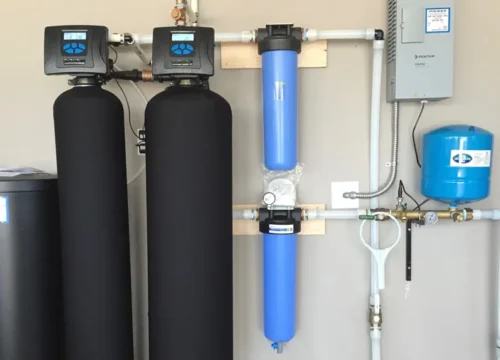
For many households, water softeners are useful when hard water is the main concern. Hard water contains minerals such as calcium and magnesium. While these minerals aren’t usually considered a reason to panic, they can create scale inside plumbing, reduce the efficiency of water heaters, leave spots on fixtures, and make soap work less effectively. A properly selected softener helps reduce those effects and can make routine cleaning noticeably easier.
Start With the Water You Actually Have
It sounds obvious, but testing the water before buying equipment can save a lot of frustration. Homeowners sometimes purchase a system because a neighbor has one or because an advertisement promises cleaner, healthier water. That doesn’t necessarily mean the same solution is right for your house.
Water quality can vary significantly between municipal supplies and private wells. Even within the same area, plumbing conditions and household needs can be different. Testing can reveal hardness, pH, dissolved solids, iron, chlorine, and other characteristics that influence which treatment method makes sense.
There’s also the question of what you want to improve. Are you mainly trying to stop scale? Do you want better-tasting drinking water? Are you concerned about a particular contaminant? Or are you looking for broader treatment throughout the house? Those questions should come before shopping for equipment.
When Reverse Osmosis Makes Sense
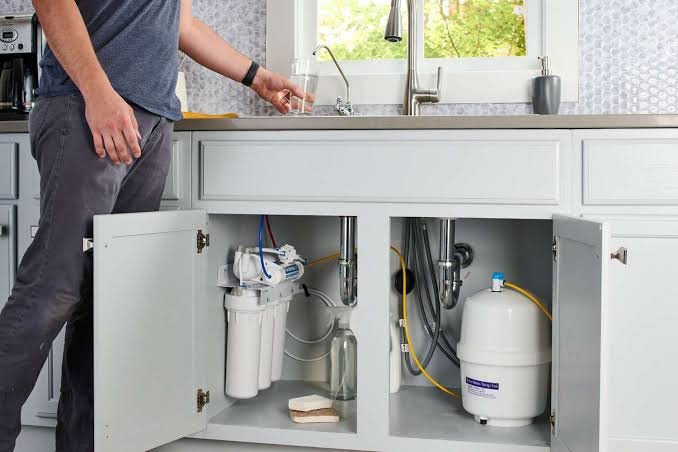
For drinking and cooking water, a reverse osmosis system can be a powerful option. reverse osmosis units use a semipermeable membrane to reduce many dissolved substances from water. Depending on the system and membrane, this can include certain salts, metals, and other contaminants.
That doesn’t mean reverse osmosis is automatically better than every other filtration method. In fact, installing an RO system without understanding the incoming water can be unnecessary. Some systems also produce reject water during operation and require regular filter and membrane replacement.
Still, when water testing shows that dissolved contaminants are a concern, reverse osmosis can provide highly treated water at a dedicated kitchen faucet. It’s particularly attractive for people who want a more controlled source of water for drinking, coffee, cooking, and food preparation.
A good installation matters, too. An RO system needs suitable water pressure, properly sized filters, and routine maintenance. A neglected system isn’t going to perform at its best simply because the label says “reverse osmosis.”
Don’t Confuse Filtration With Softening
One of the most common mistakes homeowners make is assuming every water treatment system does essentially the same job. It doesn’t.
A softener is primarily designed to address hardness. A carbon filter may improve chlorine taste and odor. Sediment filtration can capture particles. Reverse osmosis targets a broad range of dissolved substances. These systems can sometimes work together, but they aren’t interchangeable.
Think of it like maintaining a car. Changing the oil doesn’t replace the need for properly inflated tires. Each part of the system has a specific job. Water treatment works much the same way.
This is also why “more filtration” isn’t always the answer. Adding several stages without a clear reason can increase maintenance and operating costs without delivering a meaningful improvement.
What About Alkaline Water?
Alkaline water has attracted plenty of attention in recent years, partly because people are increasingly interested in mineral content and the taste of drinking water. alkaline water filters are designed to increase the pH of water, often by passing it through mineral media or incorporating an alkalizing stage.
It’s worth keeping expectations realistic, though. Alkaline water shouldn’t be treated as a cure-all or a replacement for a proper water treatment system. The human body regulates blood pH very tightly, and drinking alkaline water doesn’t simply change the body’s overall pH in the way some marketing claims suggest.
That doesn’t make an alkaline filter pointless. Some people enjoy the taste, and certain systems can add minerals back into highly filtered water. The important thing is to understand what the equipment is actually designed to accomplish rather than buying it because of sweeping health promises.
Combining Systems Can Be Practical
Sometimes the best solution is not choosing one system over another. A home might benefit from whole-house treatment for hardness and a separate drinking-water system at the kitchen sink.
For example, softening can help protect plumbing and appliances from scale, while a dedicated filtration or RO system provides more highly treated water for drinking. A sediment prefilter might protect downstream equipment when the incoming supply contains visible particles.
The right combination depends on the water analysis, household size, available installation space, budget, and maintenance preferences. Someone living alone with a municipal supply may need far less equipment than a large family relying on well water.
Maintenance Is Part of the Deal
Water treatment equipment isn’t a “set it and forget it” purchase. Filters eventually become saturated. Membranes need replacement. Softener tanks require appropriate regeneration settings and salt or potassium chloride depending on the setup. Connections and valves can also develop problems over time.
Ignoring maintenance can affect both performance and water quality. It’s surprisingly easy to forget about a filter hidden beneath a kitchen counter, especially when everything appears to be working normally.
Keeping a simple replacement schedule helps. Write down installation dates, note filter changes, and pay attention to changes in taste, pressure, or water appearance. Small warning signs are usually easier and cheaper to address than a neglected system that suddenly stops working.
Choose for Your Home, Not the Sales Pitch
Water treatment is ultimately a practical decision. The most expensive system isn’t necessarily the best, and the simplest system isn’t always enough. What matters is whether the equipment addresses a documented water-quality issue and fits the way your household uses water.
Start with testing. Identify the problem. Decide which water needs treatment, then compare systems based on performance, maintenance, installation requirements, and long-term cost.
Clean, pleasant water doesn’t have to involve a complicated setup. In many homes, a thoughtfully selected system can quietly make everyday life easier — fewer mineral spots, better-tasting drinking water, cleaner fixtures, and less worry about what’s coming from the tap.
That’s really the goal. Not owning the fanciest equipment, but having water treatment that does its job and keeps doing it.