Making the Most of Your Attic: Why Professional Ladder Installation Matters
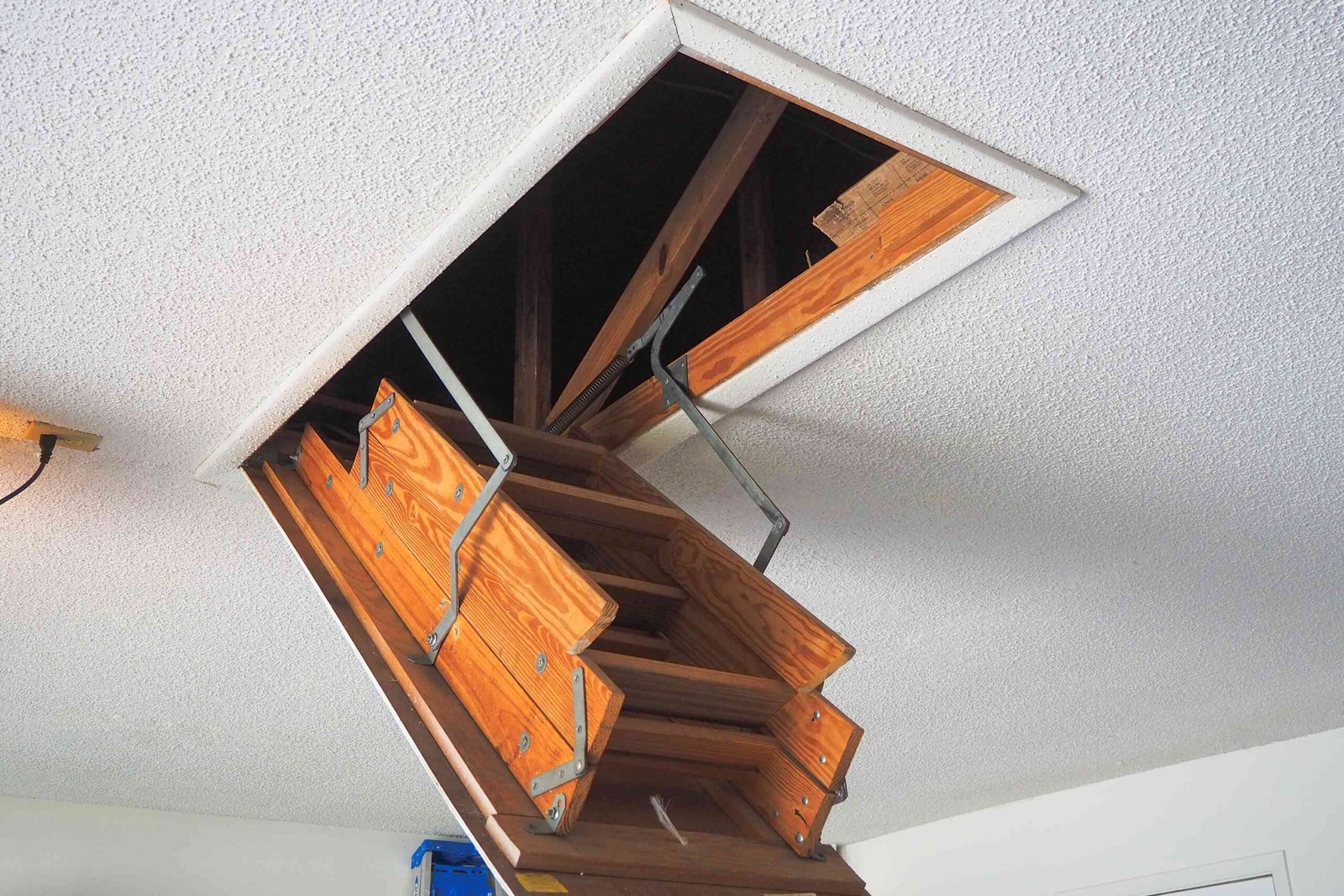
An attic can be one of the most useful spaces in a home, yet it’s often the place we forget about until there’s a box to store or a seasonal decoration to retrieve. The problem is getting up there. A ceiling opening with a wobbly step stool isn’t exactly a welcoming entrance, and carrying anything while climbing can turn a simple task into an accident waiting to happen.
That’s where a properly fitted attic ladder can make a surprisingly big difference. It creates a safer, more convenient way to reach unused storage space while keeping the staircase tucked away when it isn’t needed. But choosing the right ladder and having it installed correctly matters more than many homeowners realize.
Start With the Attic, Not the Ladder
Before buying anything, take a good look at the attic itself. How high is the ceiling? Where is the opening located? Is there enough room above and below the opening for the ladder to extend safely?
These questions sound basic, but they can prevent plenty of frustration later. An attic ladder that looks perfect in a showroom may not work well in a particular hallway or bedroom. Floor space, ceiling height, joist placement, and the direction in which the ladder unfolds all have to be considered.
A professional installer can evaluate these details before cutting or modifying an opening. That’s particularly important in older homes, where framing may not follow the dimensions found in newer construction.
Choosing the Right Type of Ladder
Attic ladders come in several styles. Folding wooden ladders remain popular because they’re practical and relatively affordable. Aluminum models are lightweight and can be easier to operate, while telescoping ladders are useful when space is limited.
There are also insulated models designed to reduce air leakage between the living area and attic. This can be especially helpful in homes where energy efficiency is a concern.
The best choice isn’t necessarily the most expensive one. It should match the home’s construction, the frequency of use, the available space, and the weight it needs to support. If the attic is used regularly, a sturdier ladder with comfortable steps and a reliable handrail may be worth the investment.
Why Professional Installation Is Worth Considering
Installing an attic ladder can look like a straightforward weekend project. Watch a tutorial, measure the opening, cut the ceiling, attach the frame, and you’re done — at least in theory.
In practice, things can get complicated quickly.
Professional attic ladder installation involves more than attaching a ladder to an existing opening. The installer needs to make sure the frame is properly supported, the ladder sits squarely, and the sections extend correctly to the floor. The opening itself may also need structural reinforcement.
A poorly installed ladder can shift, sag, or fail to close properly. Even a small alignment issue can make climbing awkward. Since people often carry boxes or household items into an attic, stability isn’t something worth gambling with.
Getting the Measurements Right
Measurements are probably the least exciting part of the project, but they’re among the most important. The rough opening needs to match the ladder’s specifications, and the ceiling height needs to fall within the manufacturer’s recommended range.
There also needs to be enough clearance for the ladder to unfold. Imagine opening the hatch only to discover that a light fixture, door, wall, or piece of furniture interferes with it. That’s the sort of problem that can be avoided with careful planning.
A professional will typically assess the rough opening, floor-to-ceiling height, landing area, and swing or extension clearance before installation begins. Taking those few extra minutes can save a lot of headaches.
Don’t Forget About Safety
A ladder should make attic access safer, not simply make it possible.
Look for wide, sturdy steps rather than narrow rungs that feel more like a traditional extension ladder. Handrails can provide additional confidence, particularly for older adults or anyone who regularly carries items upstairs.
The ladder should also lock securely into its operating position. It shouldn’t wobble noticeably when weight is placed on it. The feet need to sit firmly on the floor, and the sections should open and close without excessive force.
Good lighting matters too. An attic entrance tucked away in a dark hallway isn’t ideal. Even a simple ceiling fixture or nearby light can make a noticeable difference.
What About Attic Stairs?
For homeowners who use their attic frequently, a more substantial staircase may be the better solution. Traditional attic stairs can provide a wider, more permanent access point and may feel more comfortable than a folding ladder.
Attic stair installation requires careful planning because the available floor and ceiling space can be limited. Unlike a compact folding ladder, stairs take up room when they extend into the living area. The design therefore needs to work with the home’s layout rather than simply fit into an existing hole.
This option can make sense when an attic is being converted into a hobby room, office, storage area, or another regularly used space. It may also be worth considering when homeowners want easier access for moving larger items.
Insulation and Energy Efficiency Matter, Too
An attic opening can become an overlooked source of energy loss. If the hatch isn’t sealed properly, conditioned air from the home can escape into the attic, while outdoor temperatures can affect the rooms below.
Insulated ladder systems and properly sealed frames can help minimize this problem. Weatherstripping around the hatch can also reduce unwanted air movement.
This is one reason installation shouldn’t be treated as simply a carpentry task. The finished access point should work as part of the home’s overall envelope. A beautiful ladder that leaves a noticeable draft behind isn’t really a finished job.
Think About Long-Term Maintenance
Once the ladder is installed, it shouldn’t be forgotten.
Occasionally inspect the hinges, springs, bolts, steps, and mounting points. Look for loose hardware, unusual movement, cracks, or signs of wear. If the ladder begins making strange noises or feels different while opening, it’s better to investigate early than wait for a failure.
Keep the ladder’s weight rating in mind, too. An attic ladder isn’t automatically suitable for carrying heavy furniture or oversized storage bins. When in doubt, check the manufacturer’s specifications.
A Small Upgrade With a Practical Payoff
Home improvements don’t always have to involve dramatic renovations. Sometimes the most useful changes are the ones that solve a small daily annoyance.
A properly installed attic ladder can turn an awkward ceiling opening into a dependable entrance. It can make holiday storage less frustrating, give you easier access to household equipment, and help you actually use the space that’s already part of your home.
The key is to approach the project with a little more thought than simply buying the first ladder that fits the measurements. Consider the structure, ceiling height, clearance, insulation, safety features, and how often the attic will be used. When those details come together, attic access can feel like it was designed for the house from the beginning.
And that’s really the goal. Not just a ladder in the ceiling, but a safe, practical improvement that quietly makes the home work better.