Making Sense of Your Water: Testing, Treatment, and Better Choices at Home
Water is one of those things most people don’t think about until something seems off. Maybe the tap suddenly has a strange smell. Perhaps there’s a chalky film around the sink, stubborn spots on your glasses, or a taste in your morning coffee that wasn’t there before. These little clues can be easy to dismiss, but sometimes they’re worth paying attention to.
The truth is, water quality isn’t always obvious. Clear water can still contain dissolved minerals, microorganisms, metals, or other unwanted substances. On the other hand, a harmless mineral imbalance can sometimes create annoying household problems without making the water unsafe. That’s why a sensible approach starts with understanding what’s actually in the water rather than immediately buying a treatment system.
Start With the Water, Not the Equipment
It’s tempting to jump straight into comparing filters and purification systems. But treatment should follow the problem, not the other way around.
Professional water testing & analysis can provide a clearer picture of the water entering a property. Depending on the situation, testing may look at factors such as hardness, pH, iron, manganese, dissolved solids, chlorine, bacteria, or other contaminants. Private wells can require especially careful testing because groundwater conditions may change over time.
Testing also helps separate a real water-quality concern from a simple plumbing issue. A metallic taste, for instance, might relate to the source water, but it could also come from household plumbing. Knowing the difference can save money and prevent unnecessary treatment.
Why Hard Water Gets So Much Attention
Hard water is common in many areas and is generally associated with elevated levels of minerals such as calcium and magnesium. It may not be dangerous, but it can certainly be irritating.
You might notice scale developing inside a kettle, around faucets, or on shower doors. Soap may seem less effective, and laundry can occasionally feel different after washing. Over time, mineral buildup can also affect appliances that regularly heat water.
This is where treatment becomes more than a question of drinking-water taste. A suitable system can help manage the practical effects of mineral-heavy water throughout the home.
Of course, not every household needs the same solution. A family dealing mainly with hard water has different priorities from someone concerned about a specific contaminant. That distinction matters.
Drinking Water and Whole-Home Water Are Different Needs
One of the most useful things to understand about residential water treatment is that drinking water and household water can have different requirements.
A point-of-use system focuses on water used for drinking and cooking. This approach can make sense when the main goal is improving the taste or reducing specific contaminants in a smaller volume of water.
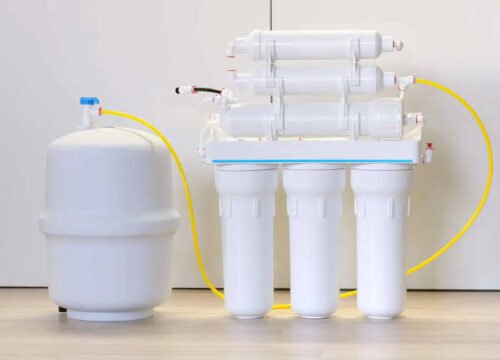
For households that want purified water directly from a dedicated kitchen tap, reverse osmosis drinking water systems are a popular option. Reverse osmosis uses a semipermeable membrane to reduce many dissolved substances, while additional filtration stages may address sediment, chlorine, and taste-related concerns.
But reverse osmosis isn’t automatically the answer to every water problem. It can produce wastewater, requires filter and membrane maintenance, and may need proper installation to perform well. The right setup depends on the quality of the incoming water and what the household is actually trying to accomplish.
When Whole-Home Treatment Makes More Sense
Sometimes the issue isn’t limited to the kitchen sink. If water quality affects showers, laundry, bathrooms, appliances, and other fixtures, treating water at a single faucet may feel like putting a small bandage on a much bigger problem.
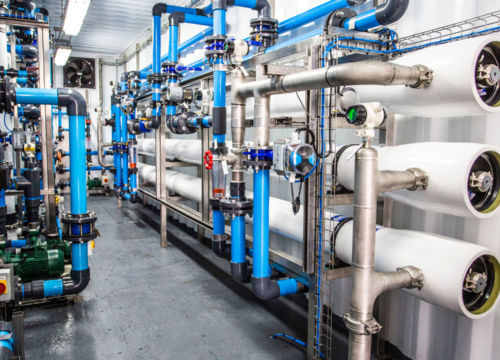
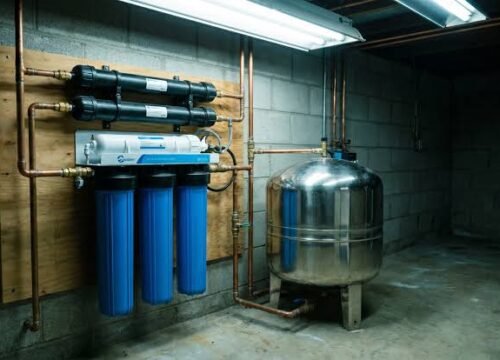
That’s where whole home water treatment systems can become useful. These systems are designed to address water entering the property, depending on the specific treatment technology selected. A whole-home setup might incorporate filtration, softening, iron removal, odor reduction, or other technologies.
The important word here is “might.” There is no universal system that handles every water-quality concern equally well. Treatment equipment should be selected based on test results, household water use, plumbing configuration, and the contaminants or mineral issues involved.
Don’t Forget About Flow and Water Pressure
A treatment system can look impressive on paper and still disappoint if it isn’t properly matched to the home.
Water demand matters. A household with several bathrooms and multiple people using water at the same time may need a different configuration from a small apartment or a two-person home.
Flow rate is particularly important for whole-home systems. If a filter is too restrictive or undersized, water pressure can suffer. Nobody wants to discover that their new treatment equipment has turned a normal shower into a slow trickle.
Installation also matters. Incorrect connections, poor sizing, or neglected pre-filtration can affect performance. This is one reason professional evaluation is often more useful than choosing equipment based solely on an online product description.
Maintenance Is Part of the Solution
Even a high-quality treatment system needs attention.
Filters eventually become loaded with sediment and other captured material. Reverse osmosis membranes need periodic care. Water softeners require appropriate salt management and regular checks. Components can wear out, and settings may need adjustment as household conditions change.
Skipping maintenance can reduce performance and, in some cases, create new water-quality concerns. It’s a bit like owning a car and never changing the oil because the engine still starts. Eventually, that strategy catches up with you.
A simple maintenance schedule can make a big difference. Keep track of filter changes, inspections, sanitization, and any recommended testing. If the water suddenly tastes different or pressure drops, don’t just assume the equipment has reached the end of its life. A clogged filter or incorrect setting may be the real culprit.
Choosing a Treatment Approach Without Overcomplicating It
The best water treatment decision is rarely the system with the longest feature list. It’s the one that addresses the actual problem without creating unnecessary complexity.
Start with testing. Identify what needs attention. Consider whether treatment is needed at one faucet or throughout the property. Think about water usage, available space, maintenance requirements, and long-term operating costs.
It’s also worth asking what happens after installation. Who replaces filters? Who checks the equipment? Is troubleshooting available if performance changes? A treatment system is a long-term household investment, so ongoing support can matter just as much as the equipment itself.
Better Water Starts With Better Information
There’s something reassuring about knowing what you’re dealing with. Instead of guessing why the shower leaves spots or why the water tastes strange, testing gives you a starting point. From there, treatment can be chosen with a little more confidence and a lot less trial and error.
Water treatment doesn’t have to become an endless search for the newest technology or the biggest system available. In many cases, the smartest solution is surprisingly straightforward: understand the water, identify the household’s priorities, choose appropriate treatment, and maintain it properly.
After all, good water isn’t just about what comes out of the tap today. It’s about having a reliable, practical system that continues to do its job tomorrow, next month, and years down the road.