When Water and Sewer Problems Can’t Wait
Most homeowners don’t think much about what happens beneath their property. Water comes from the faucet, toilets flush, showers drain, and life carries on. Then one morning, the kitchen sink drains slowly, the yard develops a suspiciously soggy patch, or the water pressure suddenly drops. Underground plumbing has a way of becoming important very quickly.
The good news is that many plumbing problems can be diagnosed before they turn into major property damage. The trick is paying attention to the smaller warning signs and getting the right kind of help when something seems off. Water and sewer lines aren’t the sort of systems where guessing usually pays off.
Paying Attention to the Signs
A change in water pressure is one of the easiest problems to notice. If several fixtures suddenly have weak flow, there could be an issue somewhere along the main supply line. A single clogged faucet is usually a much smaller concern, but a whole-house change deserves more attention.
Unexplained wet spots outside can also tell a story. If an area of the lawn stays unusually green or muddy even when the weather has been dry, a buried pipe may be leaking. Sometimes there’s an obvious puddle. Other times, the only clue is that one section of grass looks strangely healthy compared with everything around it.
Homeowners dealing with these symptoms may eventually need water line repair & installation, particularly when an aging or damaged supply line can no longer provide dependable service. Professional evaluation helps determine whether a repair is enough or whether replacing part of the line makes more practical sense.
Why Small Leaks Become Big Problems
A leaking underground pipe doesn’t necessarily announce itself. Water can move through soil for quite a while before anyone notices. During that time, it may weaken soil, affect landscaping, create persistent damp areas, or contribute to structural concerns when the leak is close to a foundation.
Inside the house, unexplained increases in water usage can be another clue. If your household habits haven’t changed but the water bill has, there may be a leak somewhere you can’t see.
That’s why an inspection can be worthwhile even when the problem seems minor. Modern plumbing professionals can use specialized diagnostic equipment to locate trouble without immediately digging up large sections of a yard.
Sewer Problems Have Their Own Warning Signs
Sewer issues tend to be particularly unpleasant because the symptoms often show up indoors. Several drains backing up at the same time, recurring toilet problems, foul smells, gurgling sounds, or wastewater appearing where it shouldn’t are all reasons to take action.
Tree roots are a common source of trouble in older sewer systems. Roots naturally seek moisture, and a tiny crack or loose joint can provide an opening. Once inside the pipe, they can grow and collect debris, gradually reducing the passageway.
Older clay, cast-iron, or deteriorating plastic pipes can also develop cracks, corrosion, separated joints, or collapsed sections. In those situations, repeatedly clearing a blockage may only treat the symptom rather than the underlying problem.
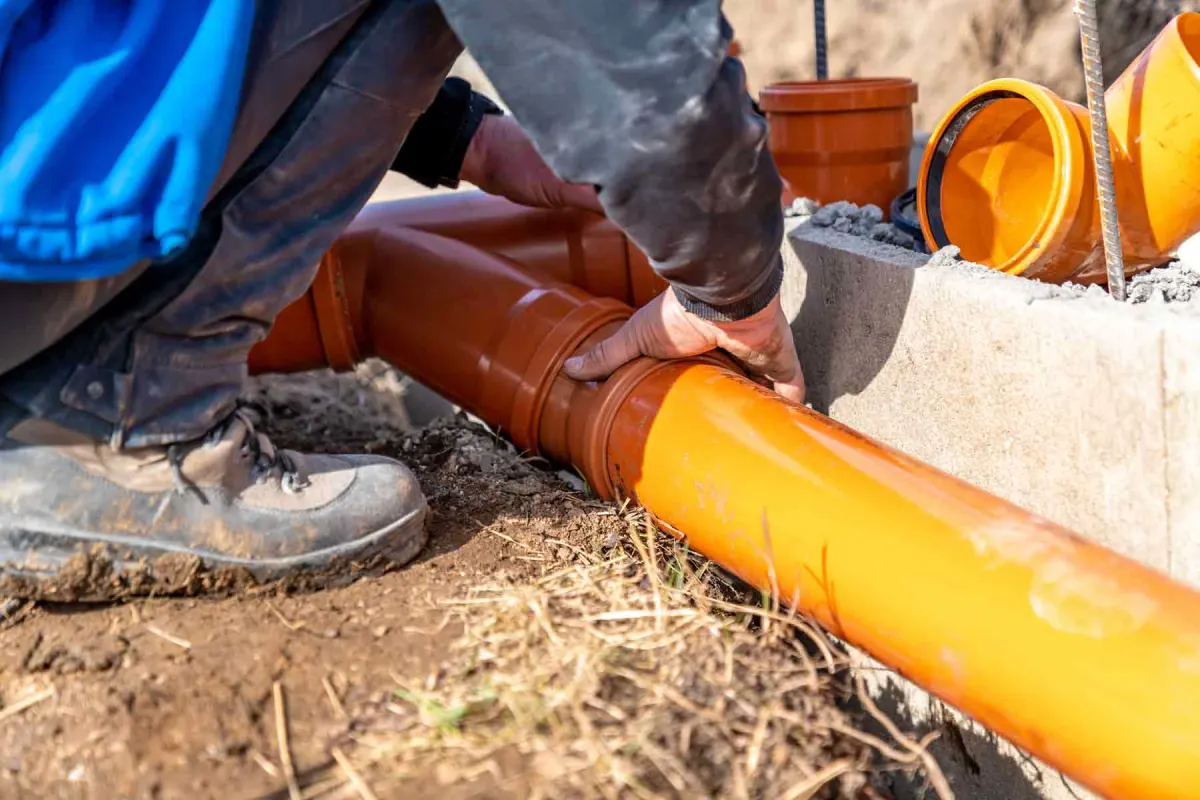
When damage is extensive, sewer line repair & replacement can provide a more dependable long-term solution. The right approach depends on the pipe’s condition, location, age, surrounding landscape, and the severity of the damage.
Repair or Replace? It’s Not Always Obvious
One of the most useful questions to ask a plumbing professional is whether the existing pipe is worth saving. A small isolated crack may be repairable. A severely deteriorated line with repeated failures might not be.
Replacement can sound intimidating, especially when the pipe runs beneath a driveway, patio, landscaped garden, or mature trees. But continuing to repair a failing system can become expensive in its own way. Paying for the same problem several times doesn’t necessarily make financial sense.
Technology has also changed the way underground plumbing work is performed. Depending on the property and local requirements, trenchless methods may reduce the amount of digging required. These techniques aren’t suitable for every situation, but they can sometimes minimize disruption.
Moving From Septic to a City Sewer System
Some communities eventually expand municipal sewer service into neighborhoods that historically relied on septic systems. For property owners, connecting to a public sewer network can bring major changes to how wastewater is managed.
The transition isn’t simply a matter of connecting one pipe to another. Local regulations, permits, property layout, existing septic infrastructure, connection points, elevations, and municipal requirements all have to be considered.
For homeowners making this transition, septic-to-city sewer conversions can be a significant infrastructure project. A qualified professional can help assess the existing system, explain the connection process, and identify work that may need to happen on private property before the municipal connection is completed.
There can also be practical considerations after the conversion. The old septic tank may need to be abandoned, removed, or handled according to local regulations. Those details vary, so homeowners should avoid assuming that every property follows the same process.
Choosing a Contractor With Care
Underground plumbing work isn’t the place to choose a contractor based solely on the lowest estimate. Experience matters because the visible symptom doesn’t always reveal the actual cause.
A good contractor should be willing to explain what they found, what options are available, and why they recommend a particular solution. Ask whether permits are required, how the work will affect landscaping or hardscaping, what materials will be used, and what happens if unexpected damage is discovered during excavation.
It’s also worth asking about warranties and cleanup. These details may seem secondary when you’re dealing with a plumbing emergency, but they can make a noticeable difference once the project is finished.
A Little Attention Can Save a Lot of Trouble
Water and sewer infrastructure tends to work quietly in the background until it doesn’t. That makes routine awareness surprisingly valuable. Watch for pressure changes, unexplained wet spots, recurring drain problems, unusual odors, and unexpected increases in water consumption.
More importantly, don’t keep resetting the same problem and hoping it’ll disappear. A slow drain today might be nothing more than a clog. But repeated backups, persistent leaks, or changing water pressure deserve a closer look.
Good underground plumbing isn’t glamorous, and nobody puts it on a home improvement wish list for fun. Still, it protects some of the most basic comforts of daily life. When repairs, replacements, or a sewer conversion are necessary, getting the problem properly diagnosed is usually the smartest first step—and often the one that prevents a much bigger headache later.