Making Sense of Water Treatment Options for Your Home
Water is one of those things most of us barely think about until something seems off. Maybe the shower leaves white spots on the glass. Perhaps the coffee tastes a little strange, or the kitchen faucet develops that faint metallic smell you can’t quite ignore. Sometimes the signs are obvious. Other times, they’re subtle enough to become part of the background of everyday life.
The good news is that you don’t necessarily need an elaborate setup to improve your home’s water. The trick is figuring out what is actually happening first. Water treatment isn’t a one-size-fits-all purchase, and choosing equipment simply because a neighbor or friend swears by it can lead to wasted money. Your home’s water source, plumbing, household habits, and specific water concerns all matter.
Start by Understanding What’s in Your Water
Before choosing a treatment system, it helps to know what you’re trying to solve. Municipal water and private well water can have very different characteristics. Even homes in the same neighborhood may experience differences because of plumbing materials, supply lines, or variations in local water conditions.
A basic water test can reveal useful information about hardness, pH, iron, chlorine, dissolved minerals, and other characteristics. Testing doesn’t have to feel like a science project. In fact, it can save you from guessing.
For example, if your main complaint is mineral buildup on faucets and appliances, you’re dealing with a different problem than someone concerned about sediment or an unpleasant odor. Treating the wrong issue is a bit like taking allergy medicine for a sprained ankle. The product may be perfectly good, but it isn’t solving your problem.
Hard Water Is More Than an Annoyance
Hard water is common in many parts of the country. It contains elevated levels of minerals, particularly calcium and magnesium. While hard water isn’t necessarily a reason to panic, it can be frustrating around the house.
You may notice cloudy glasses after washing them, stiff laundry, dry-feeling skin, or scale collecting inside a water heater. Over time, mineral deposits can also affect fixtures and appliances that use water regularly.
That’s where water softeners can make a meaningful difference. These systems are designed specifically to address hardness rather than attempting to treat every possible contaminant. When properly selected and maintained, a softener can help reduce scale and make everyday cleaning noticeably easier.
There’s also a practical side to this. Think about how much time gets spent scrubbing shower doors or replacing fixtures that look permanently crusted. Small improvements can add up, especially in a busy household.
Drinking Water Deserves Its Own Consideration
Whole-house water quality and drinking water quality aren’t always the same conversation. You might be perfectly happy with the water used for laundry, bathing, and cleaning while still wanting extra treatment at the kitchen tap.
That’s one reason drinking water systems have become popular for homeowners who want more control over the water they consume. Depending on the technology selected, these systems can target specific substances and improve taste, odor, or overall water quality.
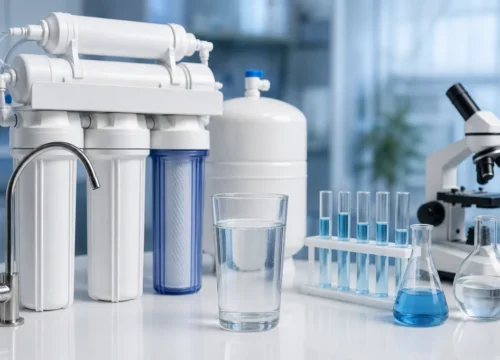
Reverse osmosis is one example. It uses a semipermeable membrane to reduce many dissolved substances from water. Other systems may use activated carbon or different filtration technologies depending on the issue being addressed.
The important thing is matching the technology to the water. More filtration isn’t automatically better. A system should have a purpose, and that purpose should connect back to actual test results or a clearly identified household concern.
Filtration Throughout the House
There’s another situation worth considering: what if the water concern isn’t limited to one faucet?
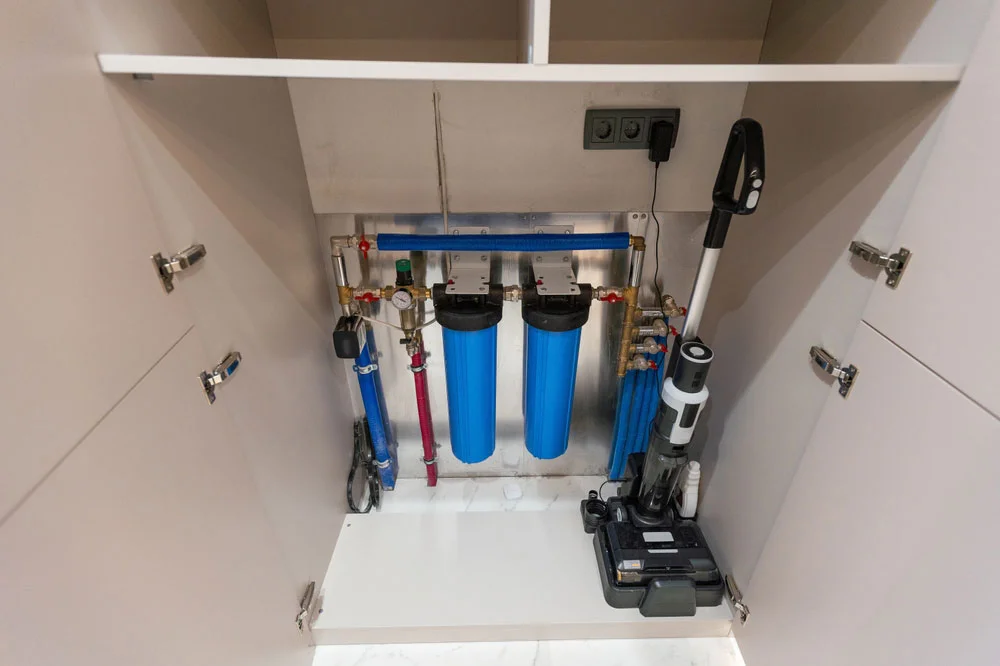
If sediment, chlorine taste, unpleasant odors, or other issues affect multiple fixtures, treating water at a single point may not be enough. A whole home filtration approach can provide treated water throughout the plumbing system, depending on the equipment and the specific problem.
This can be particularly appealing for households that want consistency. Instead of installing separate solutions for different fixtures, one appropriately designed system can address a broader portion of the home’s water supply.
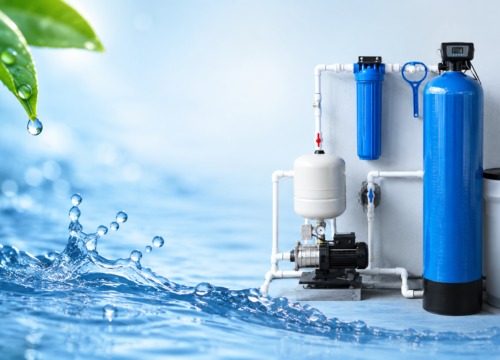
Still, whole-home filtration isn’t a magic box. Different filters are designed for different jobs. Sediment filters, carbon filters, iron-removal systems, and specialized treatment equipment all work differently. Choosing the right combination matters more than choosing the biggest system available.
Don’t Forget About Flow and Household Size
Water treatment equipment also needs to fit the way your household actually uses water.
A system that works beautifully for two people may struggle when six family members are showering, washing clothes, running the dishwasher, and filling glasses throughout the day. Flow rate and capacity should be considered before installation, not after everyone starts noticing reduced water pressure.
Your home’s plumbing configuration matters, too. Available installation space, drain connections, electrical requirements, and maintenance access can all influence which system makes sense.
It’s easy to focus on the equipment itself and forget the installation. That’s a mistake. A well-designed system installed poorly can become a headache rather than a solution.
Maintenance Is Part of the Deal
Water treatment equipment isn’t completely hands-off. Filters eventually need replacement. Salt-based systems require appropriate salt levels. Some equipment needs periodic cleaning, sanitizing, or inspection.
That doesn’t mean maintenance has to be difficult. It simply needs to be part of the plan.
Ask how often filters should be changed, what replacement parts cost, and whether professional service is recommended. These details may seem boring while you’re comparing systems, but six months down the road, you’ll be glad you asked.
A good treatment system should fit your lifestyle rather than create another chore you constantly put off.
Choosing a System With Some Common Sense
There’s a tendency in home improvement to assume the most advanced or expensive option must be the best. Water treatment doesn’t really work that way.
Start with the water test. Identify the actual concern. Consider how much water your household uses and where treatment is needed. Then compare technologies based on what they are designed to accomplish.
It’s also worth looking beyond the equipment label. Installation quality, warranties, replacement filters, service availability, and long-term operating costs can matter just as much as the initial purchase price.
And if a salesperson tells you that one machine will solve every conceivable water problem, pause for a moment. Real water treatment is usually more nuanced than that.
Better Water Starts With Better Information
Your home’s water doesn’t need to be mysterious. Once you know what’s in it and understand which problems are actually affecting your household, the choices become much clearer.
Maybe you need a softener. Maybe filtration at the kitchen sink is enough. Maybe your water would benefit from treatment throughout the house. Or perhaps testing shows that your existing water quality is already fine and no major system is necessary.
That’s a perfectly good outcome, too.
The smartest approach isn’t buying the most equipment. It’s finding the right solution for your particular water, your home, and the way you live. When those three pieces line up, water treatment stops feeling like another complicated home upgrade and starts becoming what it should be: a practical improvement you can appreciate every day.