Understanding Your Home’s Water Quality and Choosing the Right Treatment Solutions
Water is one of those things most people don’t think about until something seems wrong. A strange taste in the morning coffee, white spots on freshly washed dishes, dry skin after a shower, or a faint smell from the kitchen tap can all make you wonder what’s happening inside your plumbing. While these issues aren’t always serious, they’re worth paying attention to. Water quality affects more than drinking; it can influence appliances, fixtures, cleaning routines, and everyday comfort.
The good news is that improving household water quality doesn’t have to mean guessing your way through expensive equipment. Once you understand what’s actually in your water, it becomes much easier to choose a solution that fits your home.
Why Water Quality Deserves Attention
Water quality can vary significantly depending on where you live, how water is supplied, and the condition of the plumbing that carries it. Municipal water systems generally treat water before distribution, but that doesn’t mean every home receives water with the same characteristics. Private wells, aging pipes, and local groundwater conditions can create additional concerns.
Some problems are easy to notice. Hard water, for example, often leaves mineral deposits on faucets, shower doors, and glassware. Other concerns, such as certain dissolved contaminants, may not change the appearance or smell of water at all. That’s why relying only on taste or appearance isn’t enough.
A water test can provide a clearer picture. It may identify hardness, pH, iron, sediment, chlorine, and other substances depending on the testing method. Rather than buying equipment based on a neighbor’s recommendation, homeowners can use test results to make a more informed decision.
Understanding the Role of Water Treatment
At its broadest, water treatment refers to processes used to improve water quality by reducing unwanted substances or changing certain water characteristics. The right approach depends on the specific issue. There isn’t one universal system that solves every possible water concern.
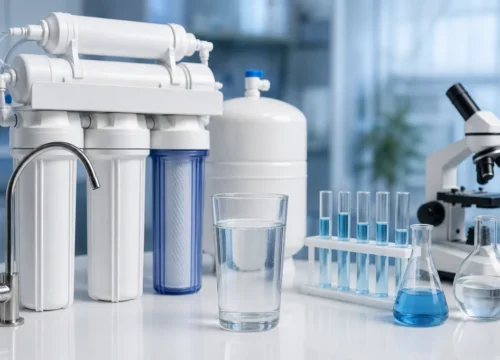
For example, sediment filters may help remove particles such as sand, rust, or dirt. Activated carbon filters are commonly used to improve taste and odor while reducing certain chemicals. Reverse osmosis systems are designed for more targeted filtration, particularly at drinking-water points. Disinfection methods may be appropriate when microbial concerns need to be addressed.
The important thing is matching the technology to the problem. A system designed for improving taste may not address hardness, and a softener designed to reduce minerals may not remove every contaminant. Understanding that distinction can prevent unnecessary spending and unrealistic expectations.
Hard Water and Its Everyday Effects
Hard water is common in many regions and usually contains elevated levels of minerals such as calcium and magnesium. These minerals aren’t typically considered a health concern at ordinary levels, but they can create frustrating household problems.
Soap may struggle to lather properly, leaving behind a film on skin, tubs, and sinks. Water heaters, dishwashers, and washing machines can also develop mineral buildup over time. In some homes, the issue is mostly cosmetic. In others, it can contribute to maintenance headaches and reduce the efficiency of water-using appliances.
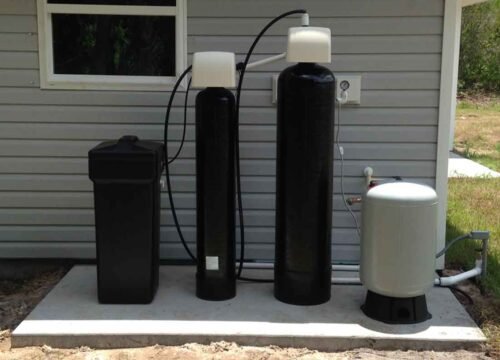
This is where water softeners can make a noticeable difference. These systems are generally designed to reduce hardness minerals through an ion-exchange process. By changing the mineral content of the water, they can help limit scale formation and improve how soap and detergents work.
Still, homeowners should consider water usage, system capacity, regeneration settings, and maintenance requirements before choosing a unit. A properly sized system is more useful than simply selecting the largest model available.
When Whole-Home Filtration Makes Sense
Many households want cleaner, better-tasting water from more than just one kitchen faucet. If the concern involves water used for bathing, laundry, cooking, and cleaning, a point-of-use filter may not be enough.
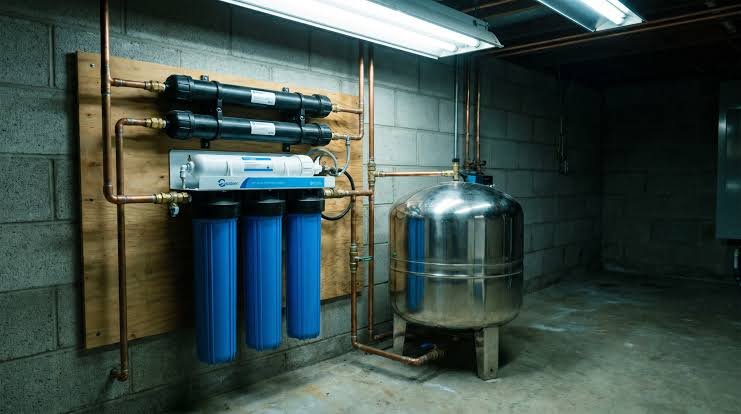
A whole-home filtration system is installed at the main water entry point, allowing treated water to flow through much of the home’s plumbing. Depending on the design, it may help reduce sediment, chlorine, unpleasant odors, or other targeted impurities. The exact results depend on the filter media and the quality of the incoming water.
This type of setup can be especially appealing to families who want a consistent approach throughout the house. It may also help protect fixtures from certain particles and improve the overall feel of water during showers and household chores.
However, filtration systems require regular filter replacement and occasional inspection. A neglected filter can become less effective, restrict water flow, or create its own maintenance problem. In other words, installation is only part of the process; ongoing care matters just as much.
Choosing Between Different Water Solutions
The best water system is rarely the one with the longest feature list. It’s the one that addresses the actual concern without adding unnecessary complexity.
Start by identifying the problem. Is the main issue hard water? Is there an unpleasant taste? Are there visible particles? Are you concerned about a specific contaminant? These questions help narrow down the options.
Next, consider whether you need treatment for the entire property or only for drinking and cooking. A countertop or under-sink system may be practical for a specific need, while a whole-home setup may be more suitable for broader concerns.
Budget matters, but the initial purchase price shouldn’t be the only consideration. Look at installation, replacement filters, salt or other consumables, electricity requirements, warranties, and long-term service costs. A less expensive system may become costly if its maintenance requirements are overlooked.
Professional Installation and Regular Maintenance
Water equipment works best when it’s installed correctly and maintained according to the manufacturer’s instructions. Incorrect sizing, poor plumbing connections, or unsuitable filter selection can reduce performance and create avoidable problems.
Professional water specialists can often help with water testing, system selection, installation, and maintenance planning. They may also explain what a system can and cannot remove, which is important when health-related concerns are involved.
Routine maintenance should not be treated as an afterthought. Filters need replacement, softeners may require salt or other servicing, and tanks, valves, and connections should be checked periodically. Keeping records of maintenance dates can make the process easier, especially in busy households.
A More Thoughtful Approach to Better Water
Improving water quality starts with understanding, not impulse. A new filter or softener may be useful, but only when it solves a real problem. Testing the water, identifying household priorities, and comparing suitable technologies can help homeowners avoid both under-treatment and unnecessary equipment.
Water is part of nearly every routine, from making tea to washing clothes and taking a shower after a long day. Small improvements can make those routines more pleasant, while the right system may also support easier maintenance over time. The goal isn’t to chase perfection. It’s to create a water setup that is practical, reliable, and suited to the needs of the people living in the home.