Making Better Choices About Water Quality at Home
Water has a funny way of becoming invisible in everyday life. We turn on the tap, fill a glass, make coffee, wash dishes, and get on with the day. It’s only when something changes—a strange taste, cloudy water, dry skin, or stubborn marks around the sink—that we start paying attention.
The good news is that improving household water quality doesn’t always mean making complicated changes. The right approach depends on what’s actually in your water and what you want to accomplish. A family dealing with hard water, for example, may need a very different solution from someone concerned about drinking-water contaminants.
That’s why it helps to look at water treatment as a practical household decision rather than simply buying the most expensive equipment available.
Start With the Water You Actually Have
Before choosing any treatment system, it’s worth finding out what you’re dealing with. Municipal water can contain disinfectants, minerals, and other substances picked up during treatment or distribution. Well water can have its own set of concerns, including hardness, iron, sediment, or changes caused by local groundwater conditions.
Testing gives you a clearer starting point. Without it, homeowners sometimes end up treating a problem they don’t actually have.
For instance, if the biggest issue is mineral buildup on faucets and shower doors, reducing hardness may be more useful than installing a system designed primarily for drinking water. On the other hand, if taste or specific contaminants are the concern, a different type of filtration may make more sense.
Understanding Hard Water
Hard water is common, and while it usually isn’t an emergency health issue, it can be an annoying part of daily life. Calcium and magnesium can leave scale inside plumbing fixtures and appliances. Soap may not lather as easily, and freshly washed clothes can sometimes feel less soft than expected.
This is where water softeners can make a noticeable difference. A properly selected softener works by reducing hardness minerals before the water reaches much of the home’s plumbing. The result can be less scale, easier cleaning, and potentially better performance from water-using appliances.
Still, not every home needs a softener. The level of hardness matters, as does household water usage. A good installation should be sized around the property rather than treated like a one-size-fits-all purchase.
Whole-House Filtration Is About More Than Taste
Filtration becomes especially interesting when homeowners want to improve water throughout the house rather than focusing on a single kitchen faucet.
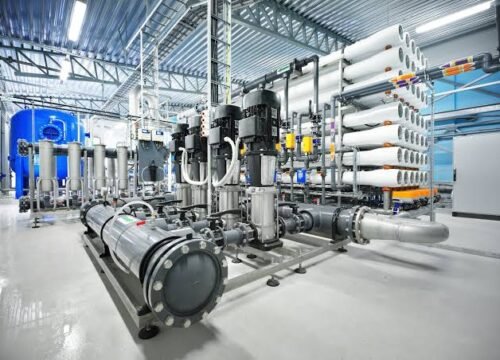
A whole-house approach treats water as it enters the property, helping address selected contaminants or unwanted particles before water travels through the plumbing. Depending on the water source and test results, filtration may target sediment, chlorine, iron, odors, or other specific concerns.
Whole home water filtration can be useful for households that want a consistent treatment approach at showers, sinks, laundry areas, and other points of use. It can also reduce the burden on individual fixtures by treating water earlier in the process.
But filtration media are designed for particular jobs. There isn’t one filter that removes everything equally well. That’s an important detail to keep in mind when comparing systems.
Drinking Water Deserves Its Own Consideration
Water used for cooking and drinking has slightly different priorities. People tend to notice taste immediately, but appearance alone doesn’t tell you whether water is suitable for consumption.
A dedicated drinking-water system can provide additional treatment at the point where it matters most. Depending on the situation, options may include activated carbon filtration, reverse osmosis, or other specialized technologies.
The best drinking water systems are selected according to the water analysis and the household’s goals. Someone primarily concerned about chlorine taste may need a relatively straightforward filter, while another household dealing with dissolved minerals or particular contaminants may require more advanced treatment.
It’s easy to get caught up in specifications and technical terminology. In reality, the useful question is simpler: what needs to be removed, and how reliably can the system remove it?
Don’t Ignore Maintenance
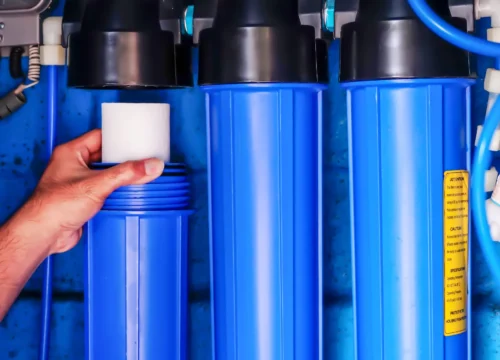
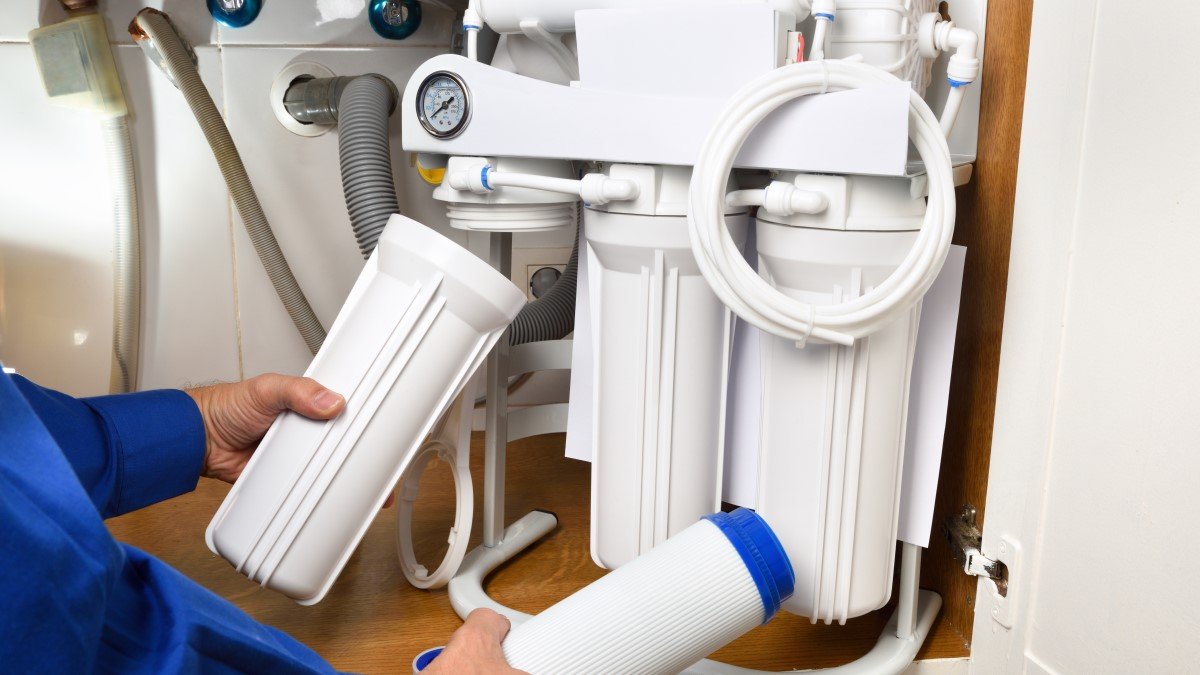
Even a high-quality treatment system needs attention. Filters become loaded with contaminants. Softener components need periodic care. Reverse osmosis systems have filters and membranes that eventually require replacement.
Skipping maintenance can gradually reduce performance. Worse, homeowners may not realize there’s a problem until water quality or flow noticeably changes.
A sensible maintenance schedule should account for water usage, system type, manufacturer’s recommendations, and local conditions. Keeping a basic record of filter changes and service visits can make this much easier. It sounds a little boring, admittedly, but it prevents the “when did we last replace that?” problem.
Think About Plumbing and Appliances Too
Water treatment isn’t only about the water you drink. The condition of household plumbing and appliances matters as well.
Hardness and sediment can contribute to deposits in water heaters, washing machines, dishwashers, faucets, and other equipment. Treating water before it moves through the home may help reduce some of these issues.
That doesn’t mean a treatment system will magically extend the life of every appliance. Plumbing age, water temperature, usage patterns, and maintenance all play a role. But better-managed water can be one piece of a broader strategy for taking care of a home.
Avoid Buying Based on Marketing Alone
Water treatment advertisements can make the decision seem surprisingly dramatic. Some systems promise extraordinary results, while others rely heavily on technical numbers that are difficult for an average homeowner to interpret.
A better approach is to compare systems based on measurable needs. Ask what the system is designed to remove, how much water it can handle, what maintenance it requires, and whether the installation is appropriate for your home’s plumbing.
Also consider operating costs. The initial purchase price is only part of the equation. Replacement filters, salt, electricity, service, and eventual component replacement can affect the long-term cost.
The Right Solution Should Fit Your Routine
A good water treatment setup should make life easier, not give you another complicated household project to manage.
That means considering how many people live in the home, how much water is used each day, whether the property has municipal or well water, and which problems are actually noticeable. Families with young children, frequent cooking needs, or heavy laundry use may have different priorities from a couple living in a smaller home.
There’s also no rule saying one technology has to do everything. A household might use whole-house filtration for general water quality, hardness treatment for plumbing protection, and point-of-use filtration for drinking and cooking.
Better Water Starts With Better Information
Ultimately, the smartest water-treatment decision is rarely the flashiest one. It’s the system that matches the water, the house, and the people living there.
Start with testing. Understand the problem. Compare treatment methods based on what they can genuinely accomplish, and think about maintenance before making the purchase.
Water quality is one of those home-improvement decisions where a little information can save a lot of frustration. Once you know what’s happening in your water, choosing the right solution becomes much less mysterious—and the benefits can show up in small, everyday ways, from cleaner fixtures to better-tasting coffee and a home plumbing system that simply works the way you expect it to.