Water Treatment Systems: A Practical Guide for Homes, Businesses, and Ponds
Clean water is something most people think about only when there’s a problem. Maybe the water starts leaving white marks on bathroom fixtures. Perhaps a strange smell appears in the tap water, or a pond turns cloudy and unpleasant. For businesses, water issues can become even more disruptive, affecting equipment, customers, daily operations, and long-term costs.
The good news is that modern water treatment solutions can address many of these concerns. From household filtration to large-scale commercial systems and pond management, the right approach depends on the water source, the contaminants involved, and how the water will be used. Understanding the basics makes it easier to choose a solution that actually fits your needs.
Why Water Quality Matters More Than You Might Think
Water quality affects more than taste and appearance. It can influence plumbing, appliances, industrial equipment, landscaping, aquatic life, and overall hygiene. Hard water, for example, contains high levels of minerals such as calcium and magnesium. While it isn’t usually considered a direct health threat, it can create scale buildup in pipes, water heaters, showerheads, and washing machines.
Other concerns may include sediment, chlorine taste, unpleasant odors, iron, bacteria, and certain chemical contaminants. Not every water problem requires the same treatment. A filter that improves taste may not remove dissolved minerals, and a softener designed for hardness won’t necessarily address every contaminant.
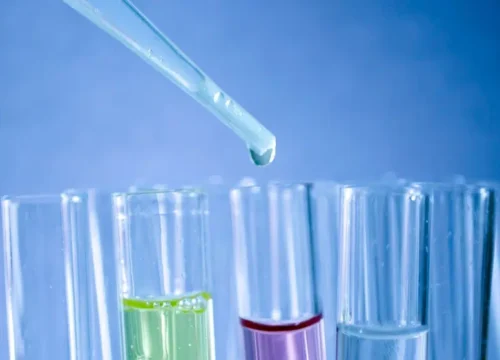
That’s why testing the water first is such an important step. Without knowing what is actually present, choosing a system becomes a bit of a guessing game.
Understanding the Main Types of Water Treatment
At its simplest, water treatment involves processes that improve water quality by removing, reducing, or controlling unwanted substances. The technology used depends on the problem being addressed.
Common treatment options include:
- Sediment filtration: Removes particles such as sand, dirt, rust, and debris.
- Carbon filtration: Helps reduce chlorine, certain odors, and unpleasant tastes.
- Water softeners: Reduce hardness minerals that cause scale and soap-related problems.
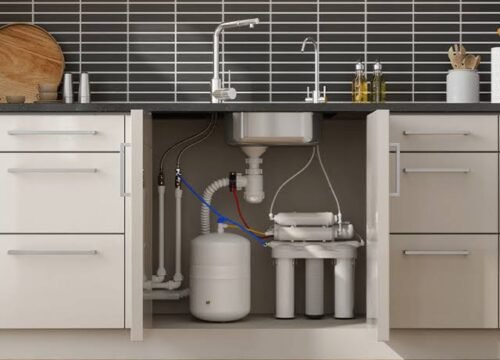
- Reverse osmosis: Uses a specialized membrane to reduce many dissolved contaminants.
- Ultraviolet treatment: Uses UV light to help control certain microorganisms.
- Iron and sulfur filtration: Designed to address specific mineral-related staining, smells, and discoloration.
Some systems use a combination of these technologies. For example, a whole-house setup might include sediment filtration, carbon treatment, and a softener, while drinking water may receive additional reverse osmosis treatment.
The key is to match the equipment to the water analysis rather than choosing a system simply because it is popular or heavily advertised.
Water Treatment Solutions for the Home
For homeowners, water quality problems often become noticeable through everyday experiences. Soap may refuse to lather properly, laundry can feel stiff, or faucets may develop stubborn mineral deposits. In some cases, the concern is less about visible damage and more about improving drinking water taste and confidence.
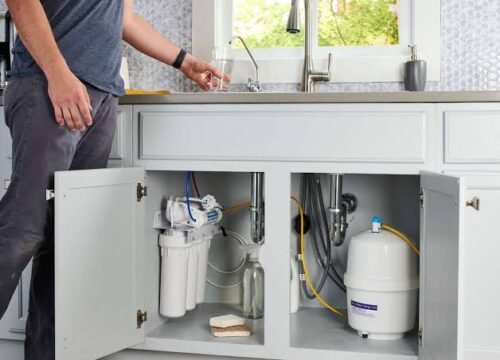
A properly designed home water treatment system can target these issues at the point where they occur. Whole-house systems treat water as it enters the property, helping provide consistent quality throughout bathrooms, kitchens, laundry areas, and other fixtures. Point-of-use systems, on the other hand, focus on a specific tap or appliance.
A water softener may be useful in areas with hard water, particularly where scale buildup is a recurring nuisance. Carbon filtration can improve taste and odor, while reverse osmosis is often selected for drinking water when additional contaminant reduction is desired.
However, homeowners should avoid assuming that one system solves everything. A water test, household water usage assessment, and professional installation review can help determine whether a basic filter or a more comprehensive setup is appropriate.
Commercial Water Treatment Requires a Different Approach
Businesses often have more demanding water requirements than households. A restaurant may need reliable water for food preparation and cleaning. A hotel depends on consistent water quality for guest comfort, laundry, and plumbing systems. Manufacturing facilities may require carefully controlled water for production processes, cooling, or equipment protection.
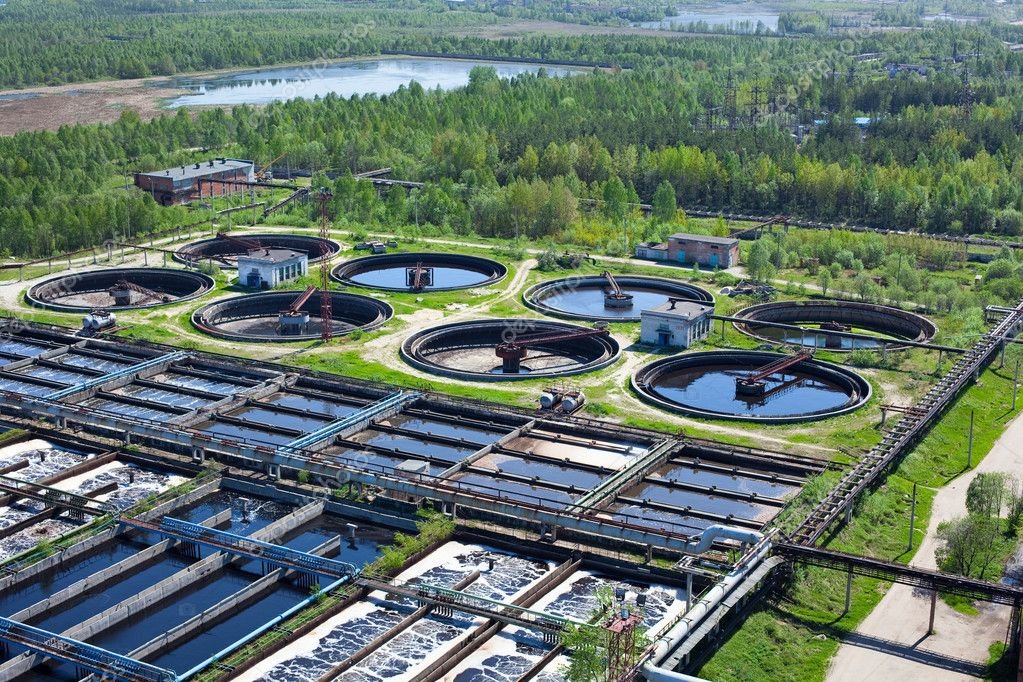
This is where business water treatment becomes especially important. Commercial systems are generally designed around higher flow rates, larger volumes, specific operational requirements, and compliance considerations. A solution that works well in a family home may be completely inadequate for a busy commercial facility.
Depending on the industry, commercial treatment may include filtration, softening, reverse osmosis, disinfection, deionization, or specialized contaminant removal. Some facilities also require monitoring equipment and scheduled maintenance to ensure the system continues performing as expected.
The financial side matters, too. Poor water quality can lead to equipment damage, increased energy use, more frequent repairs, and operational downtime. Investing in the right treatment system may help reduce these avoidable expenses over time.
Why Pond Water Treatment Needs Special Care
Ponds are living environments, not simply large containers of water. Their quality depends on a balance between oxygen, nutrients, microorganisms, plants, fish, sunlight, and surrounding conditions. When that balance is disturbed, problems such as algae growth, murky water, unpleasant odors, and low oxygen levels can develop.
Pond treatment solutions should therefore be selected with the pond’s purpose in mind. A decorative garden pond, koi pond, fishing pond, and commercial water feature may all require different management strategies.
Aeration systems can help improve oxygen circulation. Beneficial biological treatments may support the breakdown of organic waste, while filtration systems can help remove suspended particles and debris. In some situations, controlling excess nutrients and reducing runoff from nearby areas is just as important as installing equipment.
Chemical treatments should be used carefully, especially when fish, plants, pets, or wildlife are present. Applying the wrong product or dosage can create additional problems instead of solving the original one. A pond assessment is often the safest starting point.
Maintenance Is Part of the Solution
Even the best water treatment system needs regular attention. Filters become clogged, membranes require replacement, and softeners may need salt replenishment or servicing. Ignoring maintenance can reduce performance and may shorten equipment life.
A useful maintenance routine should include checking pressure levels, inspecting connections, replacing filters according to manufacturer recommendations, and testing water quality when necessary. Commercial systems may require more detailed service schedules, while pond systems benefit from seasonal inspections and monitoring.
It’s also worth keeping records of maintenance and water testing. This helps identify gradual changes before they become expensive emergencies.
Choosing a Water Treatment Provider
When comparing providers, look beyond the sales pitch. Ask whether the company offers water testing, explains the treatment options clearly, provides written estimates, and has experience with the type of system you need. A trustworthy professional should be willing to explain both the benefits and the limitations of a recommended solution.
Installation quality matters just as much as equipment selection. Poor sizing, incorrect connections, or inadequate maintenance planning can undermine an otherwise effective system.
Whether you’re improving water quality at home, protecting commercial equipment, or caring for a pond, the best results usually come from a thoughtful, customized approach.
Final Thoughts
Water treatment isn’t a one-size-fits-all purchase. The right system depends on the source of the water, the contaminants involved, the intended use, and the level of maintenance you can manage. A small filtration unit may be enough for one situation, while another may call for a carefully engineered commercial or pond solution.
Start with testing, understand the problem, and choose technology based on evidence rather than assumptions. With the right planning and ongoing care, better water quality can support healthier spaces, more reliable equipment, and fewer unpleasant surprises in the future.