The Plumbing Problems You Notice Before They Become Expensive
Most plumbing problems don’t arrive with a dramatic warning. There’s rarely a siren, a flashing light, or some helpful voice saying, “Hey, your pipe is about to burst.” Instead, trouble tends to start quietly: a shower that drains a little slower, a tap that makes an odd noise, or a patch of water under a cabinet that wasn’t there yesterday.
That’s why paying attention to the small stuff matters. A home’s plumbing system works hard every day, and when something changes, it’s usually worth investigating rather than shrugging it off. A minor issue can stay minor when it’s caught early. Left alone, though, it can turn into water damage, higher utility bills, or a repair that’s suddenly much more complicated.
Pay Attention to Changes in Your Water System
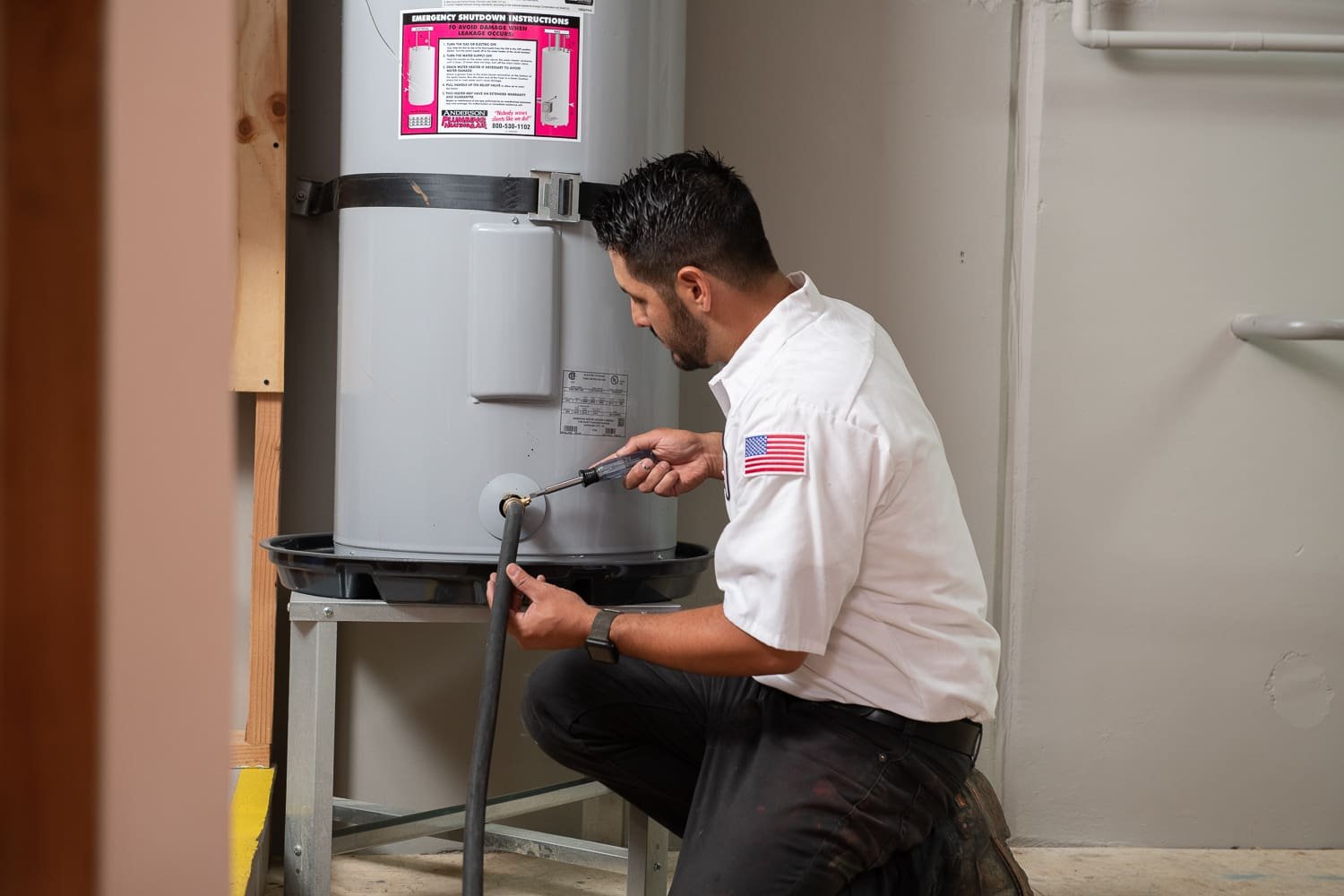
One of the easiest things to overlook is a change in hot water. If your shower suddenly runs lukewarm, takes much longer to heat up, or seems to run out of hot water halfway through the morning, there may be a problem worth checking.
Modern water heaters can last for years, but they aren’t completely maintenance-free. Sediment can collect inside the tank, components can wear down, and connections can develop problems. Even a small change in performance can be an early clue.
There’s also the issue of age. An older unit may continue working for a while, but efficiency can gradually decline. If you’re constantly adjusting the temperature or waiting longer for hot water, it may be time for an inspection rather than another quick fix.
A Dripping Faucet Isn’t Just an Annoyance
A dripping faucet is one of those household sounds people somehow learn to ignore. Drip. Drip. Drip. After a few days, you barely hear it.
But that steady leak is still wasting water.
The same goes for toilets that run intermittently. If you hear water moving when nobody has flushed, the toilet may have a worn flapper, faulty fill valve, or another internal issue. These aren’t usually major repairs, but they’re exactly the kind of small plumbing problems that make sense to handle promptly.
And don’t forget outdoor fixtures. Garden hoses, hose bibs, and irrigation connections can leak too, especially after seasonal temperature changes.
Hidden Leaks Can Be Much More Serious
Visible leaks are inconvenient. Hidden leaks are sneaky.
Water can travel behind walls, beneath flooring, or through ceilings before the source becomes obvious. By the time you see staining or notice a musty smell, the problem may have been developing for quite a while.
Professional leak detection can help locate the source without immediately tearing into walls or floors. Depending on the situation, technicians may use specialized listening equipment, thermal technology, pressure testing, or other diagnostic methods.
That matters because finding the exact source is often half the battle. Repairing the wrong section of pipe because the leak was misidentified only wastes time and money.
Slow Drains Deserve More Attention Than They Get
A slow drain doesn’t necessarily mean disaster is around the corner. Sometimes it’s simply hair, soap residue, food particles, or grease building up inside the line.
The trouble starts when people repeatedly reach for chemical drain cleaners instead of figuring out what’s actually causing the blockage. Strong chemicals may provide temporary relief, but they aren’t always the best long-term solution, particularly when a deeper obstruction is involved.
If several drains in the home are slowing down at the same time, that’s a different story. It could point toward a larger drainage issue.
A plumber can inspect the system and determine whether the problem is local or connected to the main drain line. That distinction can save a homeowner from treating the symptom while the real problem continues underneath.
When a Basic Drain Cleaning Isn’t Enough
Sometimes a stubborn blockage needs more than a standard auger. Grease, mineral buildup, sludge, and other debris can cling to the inside of pipes and gradually reduce the available space for water to flow.
This is where hydro jetting can be useful. The process uses highly pressurized water to clean the interior of suitable pipes and remove accumulated material. It isn’t the right answer for every plumbing system or every blockage, but when conditions are appropriate, it can provide a much more thorough cleaning than simply punching a hole through the obstruction.
The important part is proper assessment. A professional should determine the pipe’s condition and the nature of the blockage before choosing this method.
Strange Water Pressure Shouldn’t Be Ignored
Water pressure can tell you quite a bit about what’s happening inside your plumbing system.
If pressure suddenly drops, there could be a leak, partially closed valve, clogged fixture, pressure regulator problem, or issue with the incoming water supply. On the other hand, excessively high pressure can put unnecessary stress on pipes, fixtures, and appliances.
A pressure problem that affects just one faucet may be relatively simple. If the whole house is affected, it’s worth looking at the bigger picture.
Sometimes the cause is surprisingly ordinary. A valve may have been nudged partly closed during another repair. Other times, the issue requires a more detailed inspection.
Prevention Is Usually Cheaper Than Emergency Repair
Nobody enjoys scheduling plumbing maintenance. It’s easy to think, “Everything works, so why call someone?”
That logic makes sense until something fails at the worst possible time.
Routine inspections can identify aging components, small leaks, corrosion, drainage restrictions, and other concerns before they become emergencies. Basic maintenance also helps extend the useful life of plumbing fixtures and appliances.
Homeowners don’t need to become plumbing experts. A little awareness goes a long way. Know where your main water shutoff is. Check visible pipes occasionally. Pay attention to unusual sounds, odors, stains, and changes in pressure. Those little observations can be surprisingly valuable.
Good Plumbing Is Mostly About Paying Attention
The best plumbing repair is often the one you never have to make because the warning sign was caught early.
A home’s plumbing system isn’t particularly glamorous, but it quietly supports nearly everything we do, from cooking and cleaning to bathing and laundry. When it starts behaving differently, that change deserves some attention.
Maybe it’s a dripping faucet. Maybe the hot water isn’t what it used to be. Maybe a drain keeps backing up despite repeated cleaning. Whatever the symptom, don’t automatically assume it’ll disappear on its own.
Sometimes it will. Often, it won’t.
Getting a small problem assessed while it’s still small can mean less disruption, lower repair costs, and a lot less stress later. In plumbing, as in most things around the house, a little attention today can prevent a very expensive surprise tomorrow.