Choosing the Right Water Treatment for a Cleaner, Better-Tasting Home
There’s a certain kind of household problem you don’t notice until it becomes impossible to ignore. Maybe the water leaves chalky marks around the faucet. Perhaps your coffee tastes a little strange, soap refuses to lather properly, or the shower glass seems to collect spots overnight. None of these issues feels like a disaster, but together they can be a sign that your home’s water could use some attention.
Water quality isn’t exactly a dinner-table topic, yet it affects plenty of everyday things. The right treatment system can improve how water tastes, protect plumbing and appliances, and make routine cleaning a little less frustrating. The trick is choosing a solution based on what’s actually in your water, rather than buying the first system that promises to solve everything.
Start With the Water, Not the Equipment
It’s tempting to begin by comparing brands and looking at glossy pictures of filtration tanks. A better starting point is much simpler: find out what your water contains.
Municipal water and private well water can have very different characteristics. Even within the same area, mineral content and other water-quality concerns can vary. Hard water, sediment, chlorine, iron, unpleasant odors, and certain dissolved substances may all require different treatment approaches.
A basic water test can reveal useful information before you spend money on equipment. That matters because a system designed to address one problem may do very little for another. Good water treatment is less about having the biggest system and more about having the right one.
Understanding Hard Water
Hard water is one of the most common complaints homeowners encounter. It typically contains elevated levels of minerals such as calcium and magnesium. These minerals aren’t necessarily something you can see floating in the glass. Instead, their effects show up over time.
You may notice white deposits on showerheads, faucets, dishes, or appliances. Laundry can feel stiff after washing, while soap and shampoo may not rinse as easily as you’d expect. Water heaters and other equipment can also develop mineral scale.
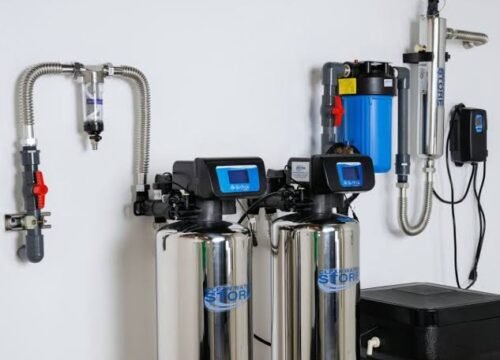
For homes dealing mainly with hardness, water softeners & filtration can be an effective combination. A softener is designed to reduce hardness minerals, while filtration can address other water-quality concerns depending on the equipment selected. The two aren’t interchangeable, but they can complement each other nicely.
Why Whole-Home Filtration Can Make Sense
A point-of-use filter attached to one faucet can be useful, especially if your main concern is drinking water. But what about the water running through the shower, washing machine, dishwasher, and other fixtures?
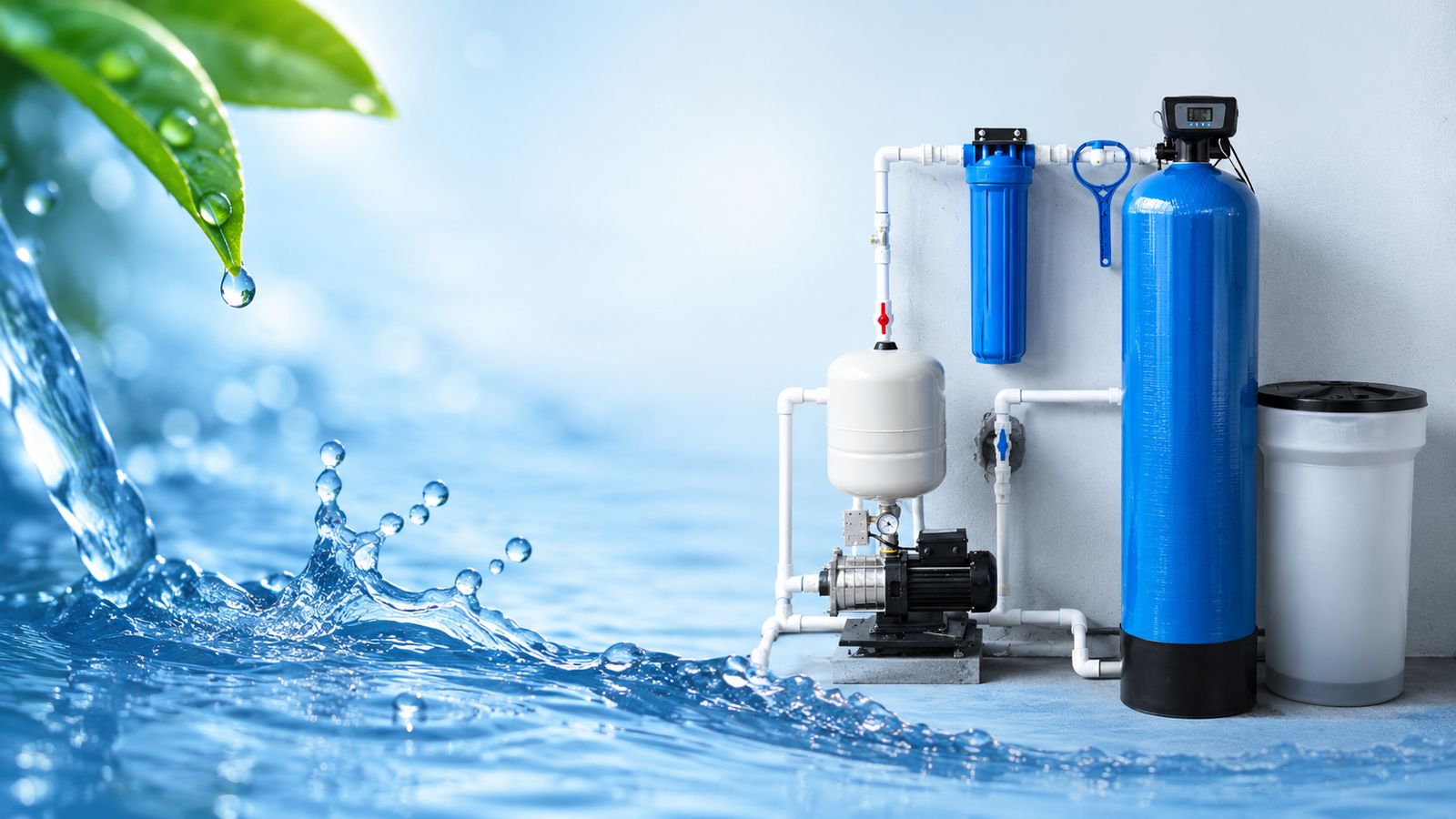
That’s where whole-home filtration becomes worth considering. Instead of treating water only at one tap, a whole-house system treats water as it enters the property, allowing multiple fixtures to receive filtered water.
This approach can be particularly appealing when several people in the household are noticing the same issue. It can also provide a more consistent solution than relying on a collection of small filters scattered around the home.
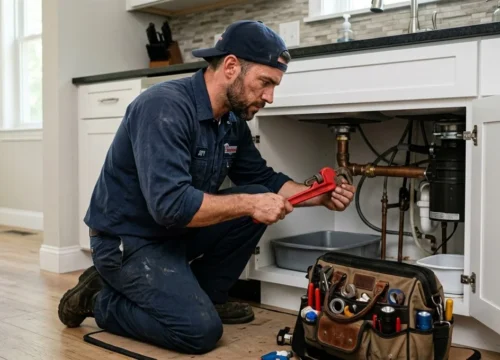
Still, whole-home filtration isn’t automatically the answer for every property. The filter media and system design should match the actual water conditions. A professional assessment can help prevent the classic mistake of paying for equipment that doesn’t address the real problem.
Drinking Water Deserves Its Own Consideration
Water that is safe to use throughout the home isn’t necessarily the same thing as water you personally prefer to drink. Taste and odor can influence how much water people consume, and many households simply want an additional level of treatment at the kitchen sink.
Depending on the test results and household preferences, advanced drinking water solutions may include technologies designed to reduce specific contaminants, improve taste, or provide additional purification.
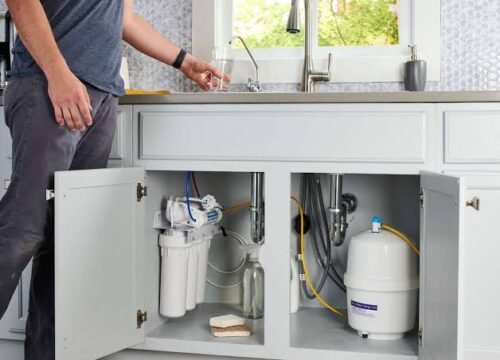
Reverse osmosis is one example often used for drinking water. It can reduce a range of dissolved substances, although it isn’t a universal fix and usually requires proper installation and maintenance. Other filtration technologies may be more appropriate for different situations.
The important part is matching the technology to the goal. “More filtration” doesn’t always mean “better water.”
Think About the Whole House
Water treatment decisions are easier when you consider how water is actually used.
Drinking and cooking may require one level of treatment. Showers and baths create another set of considerations. Appliances such as water heaters, washing machines, and dishwashers can also be affected by mineral-heavy water.
If hard water is the primary concern, softening may provide the biggest practical benefit. If sediment is the problem, a sediment filter could be more relevant. If taste and odor are the main complaints, carbon filtration may deserve a closer look.
Sometimes the best solution is a combination of technologies rather than a single piece of equipment. That’s why a little planning upfront can save a lot of trial and error later.
Maintenance Is Part of the Deal
One overlooked part of buying a water treatment system is what happens after installation.
Filters eventually become loaded with the material they remove. Softener systems may need salt or other routine attention, depending on the design. Reverse osmosis systems have replaceable components that need periodic servicing. Ignoring maintenance can reduce performance and, in some cases, create new water-quality concerns.
Before choosing a system, ask what routine maintenance involves, how often components need replacement, and whether service is available locally. A system that’s technically excellent but difficult to maintain isn’t necessarily a great fit for a busy household.
Don’t Let Price Tell the Entire Story
Budget matters. Nobody wants to spend more than necessary. But the cheapest system isn’t always the most economical choice over several years.
Look beyond the initial purchase price. Consider installation, replacement filters, salt or other consumables, water usage, electricity where applicable, and service costs. A well-designed system that lasts longer and performs consistently may provide better value than a bargain system that requires frequent replacement.
It’s also worth being skeptical of dramatic promises. Water treatment should be based on measurable water conditions and realistic treatment capabilities, not fear or exaggerated claims.
A Small Investment Can Change Daily Life
Good water treatment isn’t really about owning a complicated piece of equipment. It’s about making the water in your home work better for the people who use it every day.
The best approach starts with testing, continues with understanding the actual problem, and ends with selecting technology that fits both the water and the household. Sometimes that’s a softener. Sometimes it’s filtration. Sometimes drinking water needs separate treatment. And occasionally, the existing water is perfectly fine and no major system is necessary at all.
That last possibility is worth remembering.
A thoughtful water-quality assessment can keep you from chasing problems that aren’t there while helping you focus on the ones that are. Once you know what your water needs, choosing the right treatment becomes much less complicated—and the results can be felt in everything from the morning glass of water to the shower you take at the end of a long day.