Knowing When Your Roof Needs Repair, Replacement, or Storm Restoration
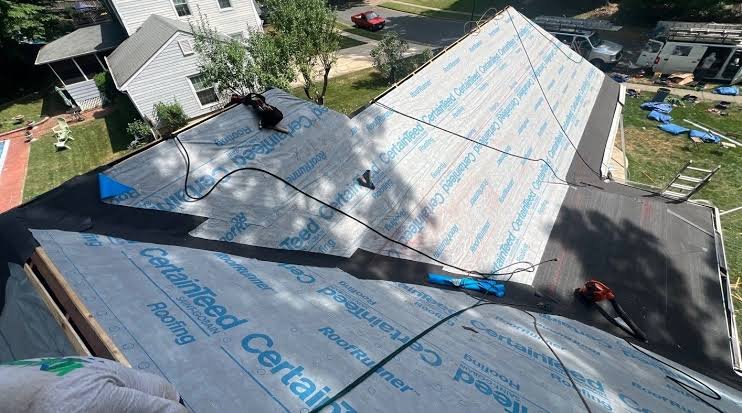
A roof has a funny way of becoming invisible when it’s doing its job. You rarely think about the shingles over your head when everything is dry, comfortable, and quiet. Then one morning, you notice a brown spot on the ceiling, find a few shingles in the yard, or hear an odd dripping sound during a storm. Suddenly, the roof is the most important part of the house.
The tricky part is figuring out what kind of help it actually needs. Not every roofing problem calls for a complete replacement. Sometimes a small repair is enough. After severe weather, though, the situation can be more complicated. Knowing the difference can save homeowners money, time, and plenty of stress.
Start With the Problem, Not the Solution
When something goes wrong with a roof, it’s tempting to jump straight to the biggest fix. A homeowner sees water inside and assumes the entire roof must be failing. In reality, roofs often develop isolated problems that can be addressed without replacing everything.
Age matters, but it isn’t the only factor. The condition of the shingles, flashing, underlayment, ventilation, decking, and drainage system all play a role. A professional inspection can reveal whether the issue is local or part of a much larger pattern.
Even something that looks minor from the ground deserves attention. Water can travel beneath roofing materials before it appears inside the home, which means the visible stain isn’t always located directly beneath the leak.
When a Repair Makes More Sense
Small problems are usually easier and less expensive to handle when they’re caught early. Missing shingles, damaged flashing around a chimney, lifted shingles, or a small area of deterioration may not justify major work.
A timely roof repair can also prevent secondary damage. Once moisture gets into roof decking or insulation, the cost of the problem can grow quickly. Mold, wood rot, damaged drywall, and compromised insulation are all possible consequences of leaving a leak alone.
Of course, repairs aren’t always permanent. If the roof is near the end of its expected service life and problems are appearing in several areas, repeatedly fixing individual sections may simply postpone the inevitable. That’s where a broader evaluation becomes useful.
Signs That Replacement May Be Necessary
There comes a point when patching an aging roof stops making practical sense. Widespread shingle deterioration is one of the clearest warning signs. Look for curling, cracking, excessive granule loss, or large areas where shingles appear worn down.
Leaks in multiple locations are another concern. One leak can be isolated. Several leaks across different sections of the roof may indicate that the roofing system itself is reaching the end of its useful life.
Homeowners should also pay attention to sagging areas. A sagging roof can point to problems with the decking or structural components underneath the roofing materials and should be assessed promptly.
For older homes, investing in roof replacements can sometimes be more economical than continuing a cycle of repairs. A new roof can also provide an opportunity to improve ventilation, insulation, flashing, and overall drainage rather than simply putting new materials over old problems.
Storm Damage Requires a Different Approach
Severe weather can change everything in a matter of minutes. High winds may tear or loosen shingles. Hail can create small impact marks that aren’t immediately obvious. Falling branches can puncture roofing materials, damage flashing, or affect gutters and roof structures.
Storm damage also isn’t always visible from the ground. A roof can look reasonably normal while still having compromised materials underneath. That’s why homeowners should arrange an inspection after a major storm, especially if the property experienced strong winds, hail, heavy rain, or falling debris.
Good storm damage/restoration work is about more than replacing whatever looks broken. The entire affected area should be assessed so hidden damage isn’t overlooked. Gutters, flashing, vents, skylights, siding, and other connected components may need to be checked as well.
Don’t Ignore Water Inside the House
A ceiling stain is one of those household warnings that’s easy to postpone. Maybe it appeared after heavy rain and seems to have dried. Maybe it’s small enough to ignore for a few weeks.
That can be a costly gamble.
Water intrusion tends to move. Moisture can travel along rafters, insulation, and ceiling materials before becoming visible. By the time you notice discoloration indoors, the roof may have been leaking for longer than you realize.
If you find active dripping, place a container beneath the leak and move furniture or valuables away from the affected area. If there’s standing water near electrical fixtures, avoid touching the fixture and treat the situation as urgent.
What About Insurance After a Storm?
Roofing damage after severe weather can sometimes involve an insurance claim, but coverage depends on the policy, the cause of damage, exclusions, deductibles, and other circumstances.
Before starting major work, document what you can safely see. Take photographs of damaged shingles, fallen branches, interior stains, damaged gutters, and other visible issues. Keep receipts for temporary measures or emergency services when appropriate.
A roofing professional can help document physical damage, but homeowners should communicate directly with their insurance provider about coverage and claim requirements. It’s generally better to understand the process before signing up for extensive work.
Choosing the Right Roofing Professional
The contractor you choose matters almost as much as the work itself. Look for a company with relevant experience, proper licensing where required, appropriate insurance, and a history of completed projects.
Ask what the inspection will cover. A good evaluation shouldn’t focus only on shingles. It should consider flashing, ventilation, drainage, decking, penetrations, and other parts of the roofing system.
Be cautious of anyone who appears immediately after a major storm and pressures you to make a same-day decision. A trustworthy professional should be willing to explain what they found, show you the evidence, and give you time to understand your options.
A written estimate is useful, too. It should clearly explain the proposed work, materials, labor, warranties, and any additional costs that could arise.
Repair Now or Replace Later?
Sometimes the best decision isn’t about choosing one option forever. A repair may be the sensible solution today, while replacement becomes the longer-term plan.
For example, a roof might have several years of useful life remaining but develop a damaged section after wind. Repairing that area can make sense. On the other hand, if the same roof is already old, has widespread wear, and has experienced several leaks, putting more money into repairs may not be the wisest investment.
Think of the roof as a system rather than a collection of individual shingles. The right decision depends on its age, condition, previous repairs, climate exposure, and the extent of current damage.
A Little Attention Can Go a Long Way
Most roofing emergencies don’t begin as emergencies. They start with a loose shingle, aging flashing, a small leak, or a gutter that isn’t draining properly. Regular inspections and basic maintenance give homeowners a chance to catch these problems while they’re still manageable.
You don’t need to climb onto the roof yourself. In fact, unless you have the right training and equipment, it’s safer not to. Instead, watch for warning signs from the ground and keep an eye on your attic and ceilings for evidence of moisture.
A roof doesn’t need to be perfect to protect your home. It does, however, need to be understood and maintained. Knowing when a small repair is enough, when replacement is the smarter investment, and when storm-related restoration deserves immediate attention can make a real difference.
In the end, good roofing decisions aren’t about spending the most money or choosing the quickest fix. They’re about solving the actual problem before it becomes a bigger one. And sometimes, a little attention at the right moment is all it takes to keep the rain where it belongs — outside.